What Is Cinematic Technique and How It Elevates Event Storytelling

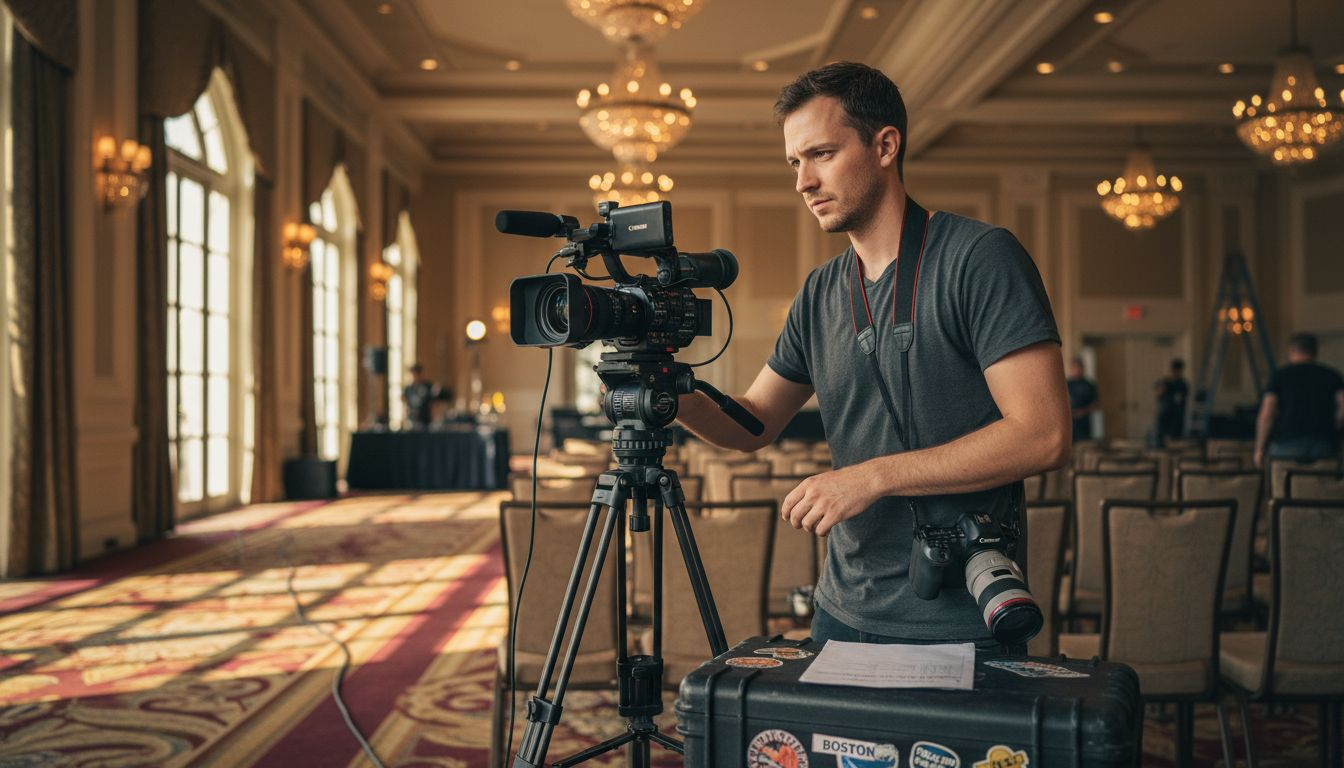
Producing an event video that lingers in viewers’ minds requires more than just filming what happens in front of the camera. For Swiss marketing managers, understanding how cinematic techniques shape emotion and narrative is key to standing out in a crowded marketplace. Discover how camera angles, lighting, and deliberate shot choices can turn everyday event footage into a compelling visual story that connects your audience to the heart of the experience.
Table of Contents
Key Takeaways
Point | Details |
Understanding Cinematic Techniques | Cinematic techniques are essential for transforming raw visual storytelling into emotional and immersive experiences. Filmmakers must master these techniques to effectively convey narrative and mood. |
Importance of Pre-Production Planning | Thorough pre-production planning enhances cinematic execution, helping to identify essential elements that contribute to the narrative flow and emotional engagement. |
Avoiding Common Mistakes | Technical execution should be precise; common mistakes such as poor camera movements or inconsistent lighting can distract and weaken storytelling impact. |
Continuous Learning | Analyzing classic films and experimenting with techniques can significantly enhance a filmmaker’s skill in crafting compelling visual narratives. |
Defining Cinematic Technique in Modern Filmmaking
Cinematic techniques represent the sophisticated artistic toolkit that transforms raw visual storytelling into an immersive emotional experience. At its core, these techniques are the strategic methods filmmakers employ to communicate narrative, mood, and meaning beyond simple recording. Cinematographers utilize a range of artistic approaches that transcend technical recording, creating visual languages that speak directly to audience emotions.
These techniques encompass multiple critical elements that work in concert to shape viewer perception:
Camera Angles: Determining perspective and emotional distance
Lighting: Creating mood and highlighting narrative significance
Lens Selection: Controlling visual depth and audience focus
Movement: Generating dynamic storytelling rhythms
Editing: Constructing narrative flow and temporal relationships
Modern filmmaking techniques are not just about technical execution but about crafting deliberate visual experiences. Each decision—from a subtle camera tilt to a complex lighting setup—serves the larger narrative goal of connecting viewers emotionally with the story.
The most compelling cinematic techniques blur the line between technology and art, transforming mechanical recording into profound storytelling. By understanding and masterfully applying these methods, filmmakers can create visual experiences that resonate far beyond simple image capture, turning ordinary scenes into extraordinary moments of human connection.
Pro Tip: Study classic films frame by frame to understand how master cinematographers use subtle visual techniques to communicate complex emotions.
Major Types of Cinematic Techniques Explained
Cinematic techniques are the intricate visual language that transforms storytelling from mere recording into an immersive art form. Comprehensive cinematography approaches involve a complex array of methods designed to communicate narrative depth through visual manipulation. Understanding these techniques allows filmmakers to craft compelling visual experiences that transcend traditional storytelling boundaries.
The major categories of cinematic techniques can be strategically grouped into several fundamental domains:
Camera Shots and Framing
Wide shots
Close-ups
Medium shots
Establishing shots
Camera Movements
Panning
Tilting
Dolly shots
Tracking shots
Lighting Techniques
High-key lighting
Low-key lighting
Backlighting
Motivated lighting
Cinematic editing techniques play a crucial role in shaping narrative coherence and emotional progression. Transitions like cuts, dissolves, and cross-cutting enable filmmakers to manipulate spatial and temporal relationships, creating seamless storytelling experiences that guide audience perception and emotional engagement.
Each technique serves a specific narrative purpose, transforming mechanical visual recording into an art form that communicates complex emotions and ideas. By strategically selecting and combining these techniques, filmmakers can create powerful visual narratives that resonate deeply with audiences, turning ordinary moments into extraordinary visual stories.
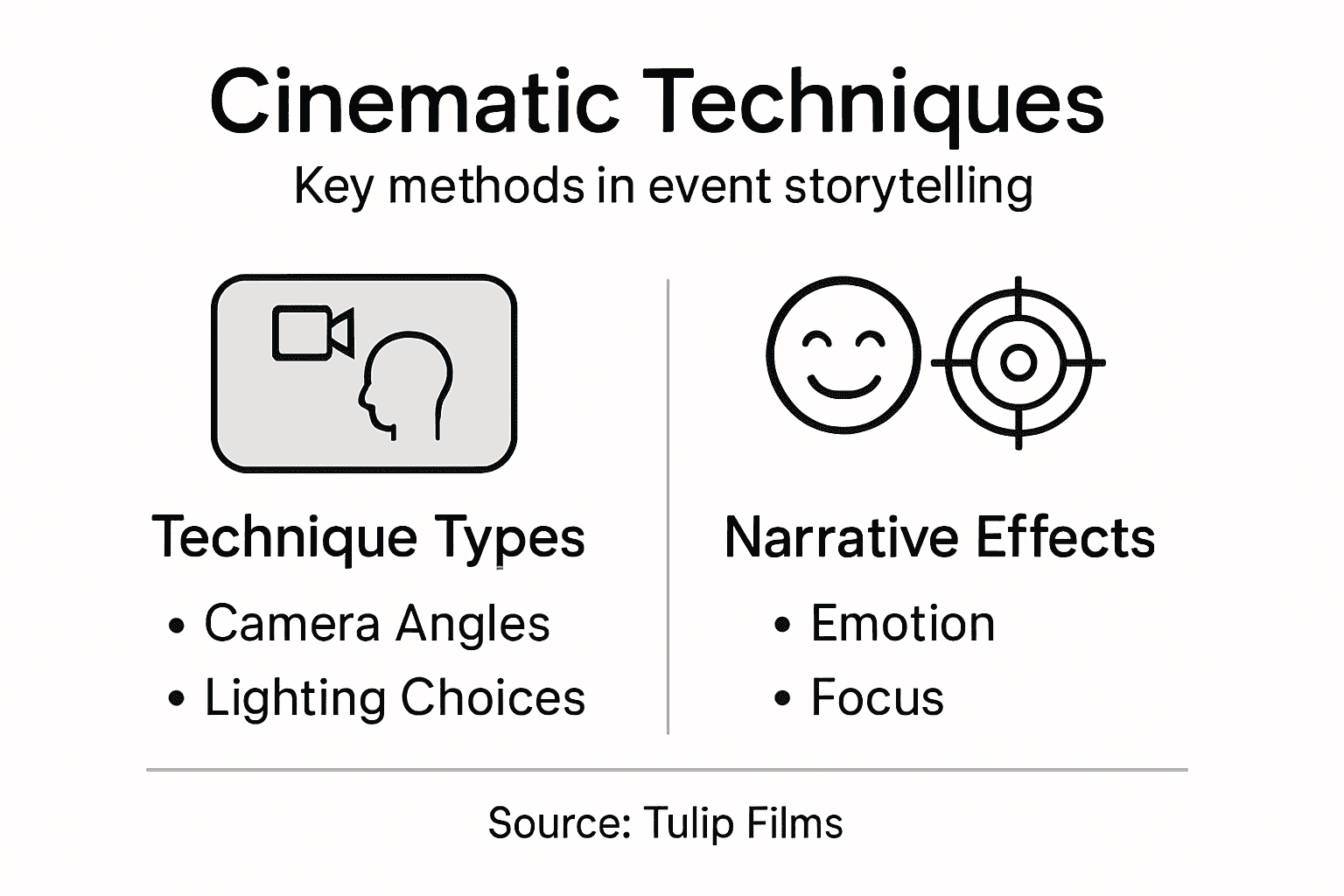
Here’s a summary of how major cinematic techniques influence different aspects of visual storytelling:
Cinematic Technique | Primary Effect | Typical Use Case |
Camera Movement | Guides viewer perspective | Enhancing action or emotion |
Lighting Choices | Sets mood and focus | Establishing tone or character |
Editing Style | Shapes narrative pacing | Revealing time or parallel plots |
Lens Selection | Alters depth and focus | Highlighting subjects or themes |
Shot Composition | Directs visual attention | Emphasizing key story elements |
Pro Tip: Experiment with different cinematic techniques during filming to discover unique ways of communicating your narrative’s emotional subtext.
How Techniques Shape Visual Storytelling Impact
Visual storytelling transforms ordinary moments into extraordinary narratives through strategic cinematic manipulation. Narrative techniques profoundly influence audience perception by creating emotional landscapes that extend far beyond simple visual recording. Each carefully selected technique becomes a deliberate instrument for guiding viewer engagement and understanding.
Cinematic techniques shape storytelling impact through several key mechanisms:
Emotional Resonance
Controlling viewer focus
Creating psychological depth
Amplifying narrative tension
Narrative Communication
Directing audience attention
Revealing character subtext
Expressing unspoken emotions
Sensory Manipulation
Modulating visual rhythm
Creating immersive environments
Generating visceral responses
Mastering visual storytelling techniques requires understanding how specific elements interact to create comprehensive narrative experiences. Camera angles, lighting choices, and editing rhythms work together like instruments in an orchestra, each contributing to the overall emotional composition of the story.

The true power of cinematic techniques lies in their ability to transcend literal representation, transforming raw visual information into profound emotional journeys. By strategically deploying these methods, filmmakers can create experiences that resonate deeply, turning simple recordings into powerful storytelling instruments that speak directly to human experience.
Pro Tip: Practice analyzing films frame by frame to understand how subtle technical choices dramatically influence narrative emotional impact.
Common Mistakes in Cinematic Technique Use
Cinematic techniques require precision and intentionality, with even subtle missteps potentially derailing narrative effectiveness. Cinematography demands nuanced understanding beyond technical proficiency, recognizing that every visual choice communicates specific narrative information. Novice filmmakers often underestimate the complexity of these artistic decisions.
Common technical mistakes in visual storytelling include:
Camera Movement Errors
Unnecessary camera shake
Random or unmotivated panning
Inconsistent tracking shots
Compositional Problems
Violating 180-degree rule
Improper frame balancing
Distracting background elements
Technical Execution Issues
Inconsistent lighting
Poor depth of field choices
Incorrect exposure settings
Cinematographic technique pitfalls often emerge from misunderstanding the fundamental relationship between technical skill and creative storytelling. Each visual choice should serve the narrative, not draw unnecessary attention to the technique itself. Effective cinematography remains invisible, guiding audience emotional experience without creating technical distraction.
The most sophisticated filmmakers understand that cinematic techniques are not about displaying technical prowess, but about creating seamless emotional experiences. By remaining focused on storytelling objectives and maintaining technical discipline, creators can transform potential mistakes into opportunities for innovative visual communication.
Compare common cinematic technique pitfalls and their narrative consequences:
Mistake Type | Common Issue | Narrative Impact |
Camera Movement Error | Unsteady handheld footage | Distracts and reduces immersion |
Composition Problem | Unbalanced or awkward shots | Confuses viewer, weakens storytelling |
Lighting Misstep | Inconsistent illumination | Diminishes scene mood or clarity |
Editing Slip | Abrupt or mismatched cuts | Disrupts story flow and engagement |
Pro Tip: Record and review your footage critically, always asking whether each technical choice genuinely serves the narrative’s emotional core.
Maximizing Event Videos With Cinematic Skills
Event videography transforms ordinary moments into compelling narratives through strategic cinematic approaches. Professional cinematographers understand that capturing an event goes far beyond simple documentation—it involves crafting an immersive visual story that resonates emotionally with viewers. Creative event video techniques can dramatically elevate the storytelling potential of any recorded event.
Key strategies for maximizing cinematic impact in event videos include:
Pre-Production Planning
Scouting location aesthetics
Understanding event flow
Identifying key emotional moments
Technical Execution
Selecting appropriate camera movements
Utilizing dynamic lighting techniques
Balancing wide and intimate shots
Narrative Construction
Creating visual rhythm
Capturing genuine interactions
Highlighting unique event dynamics
Successful event cinematography requires a delicate balance between technical precision and creative storytelling. Each visual choice should serve the larger narrative, transforming raw footage into a meaningful emotional journey that captures the essence of the event.
The most impactful event videos go beyond mere recording, becoming immersive experiences that transport viewers into the moment. By applying sophisticated cinematic techniques, videographers can create powerful visual narratives that preserve not just the events, but the genuine human experiences within them.
Pro Tip: Develop a comprehensive shot list before the event, but remain flexible enough to capture unexpected emotional moments.
Elevate Your Event Storytelling with Expert Cinematic Techniques
Bringing cinematic techniques into your event videos is the key to transforming simple recordings into emotionally powerful narratives. This article highlights how mastering camera angles, lighting, and editing shapes viewer perception and engagement. If you are facing challenges like inconsistent lighting or unmotivated camera movements that weaken your event’s impact, Tulip Films offers professional solutions tailored to turn those moments into immersive stories. We understand how to balance technical precision with creative storytelling, ensuring each shot captures not just the scene but the feeling.
Discover how your event videos can reach new heights with expert cinematic skills by partnering with professionals who know how to apply these techniques in real-world settings. Tulip Films specializes in creating high-quality event visuals that resonate deeply and connect emotionally with your audience, making your story unforgettable.

Ready to transform your next event video with cinematic storytelling that truly connects? Visit Tulip Films today to explore our portfolio and schedule a free consultation. Don’t wait—capture your event’s genuine emotion with precision and artistry now. Learn more about our approach and how we bring cinematic expertise to your project at Tulip Films.
Frequently Asked Questions
What are cinematic techniques?
Cinematic techniques are the artistic methods filmmakers use to transform visual storytelling into an immersive emotional experience. These techniques include camera angles, lighting, movement, and editing, all designed to communicate narrative and engage viewers emotionally.
How do cinematic techniques enhance event storytelling?
Cinematic techniques enhance event storytelling by turning ordinary footage into compelling narratives. By strategically planning camera movements, lighting choices, and shot compositions, filmmakers can create emotional depth and engagement, capturing the essence of events authentically.
What are some common mistakes to avoid in cinematic techniques?
Common mistakes include improper camera movements, unbalanced compositions, inconsistent lighting, and abrupt editing cuts. These errors can distract viewers and detract from the overall narrative experience, making technical discipline essential for effective storytelling.
How can I maximize the cinematic quality of my event videos?
Maximizing the cinematic quality of event videos involves pre-production planning, selecting appropriate camera techniques, and focusing on narrative construction. Understanding the event flow and identifying key emotional moments will help in creating impactful visual stories.
Recommended
