Cinematic Techniques: Elevating Visual Storytelling Impact


Most American filmmakers know that even a single change in camera angle or lighting can completely alter how a story feels. This is why understanding cinematic techniques is crucial for anyone aiming to create truly immersive video content. Mastering these skills goes beyond pressing the record button. With techniques like composition and color design, you can transform simple footage into visual experiences that resonate with viewers and leave a memorable impact.
Table of Contents
Key Takeaways
Point | Details |
Cinematic Techniques Enhance Storytelling | Filmmakers utilize techniques like shot scale, camera angles, and composition to create compelling narratives that evoke emotional responses. |
Key Components of Cinematic Techniques | Essential elements include lighting, camera movement, and color design, which work together to shape viewer experiences and communicate themes effectively. |
Strategy in Corporate Video Production | Businesses can leverage cinematic techniques to transform brand messaging, creating emotional connections and aligning visuals with corporate values. |
Avoiding Common Pitfalls | Attention to technical details and narrative coherence is crucial to prevent distractions and ensure viewer engagement in visual storytelling. |
Defining Cinematic Techniques in Video Production
Cinematic techniques represent the artistic and technical methods filmmakers use to translate narrative experiences visually. These sophisticated approaches go far beyond simple camera recording, transforming raw footage into compelling storytelling instruments. Professional film and video production relies on a complex array of strategic visual communication tools that engage audiences emotionally and intellectually.
According to recent research analyzing cinematographic methodologies, core cinematic techniques encompass several critical elements: shot scale, camera angle, composition, movement, lighting, and color design. Audiovisual storytelling integrates these techniques to create meaningful visual narratives that communicate beyond verbal language. Researchers exploring cinematographic skill evaluation have demonstrated how technical precision transforms visual content from mere recording to sophisticated narrative expression.
The primary components of cinematic techniques include:
Shot Scale: Determining how subjects are framed within the camera’s view
Camera Angles: Establishing perspective and emotional context
Composition: Arranging visual elements to guide viewer attention
Camera Movement: Creating dynamic visual experiences
Lighting: Establishing mood and highlighting narrative elements
Color Design: Communicating emotional and thematic undertones
These techniques work synergistically to create immersive visual experiences that transcend traditional storytelling boundaries. By strategically manipulating visual elements, filmmakers can evoke profound emotional responses, communicate complex narratives, and create memorable sensory journeys for their audiences.
Key Types of Cinematic Techniques Explained
Cinematic techniques represent a sophisticated toolkit for visual storytellers, enabling filmmakers to transform ordinary footage into compelling narrative experiences. Audiovisual storytelling relies on a nuanced understanding of these techniques to create emotional resonance and communicate complex ideas through visual language.
Researchers exploring video production have identified several critical cinematic techniques that serve as fundamental building blocks of visual storytelling. Professional film and video production leverages techniques such as gaze-guided editing and dialogue-driven cinematography to enhance narrative depth and viewer engagement. These techniques can be categorized into several key types:
Compositional Techniques
Framing: Controlling visual elements within the camera’s view
Rule of Thirds: Strategically positioning subjects for visual balance
Leading Lines: Guiding viewer attention through visual pathways
Camera Movement Techniques
Pan: Horizontal camera rotation
Tilt: Vertical camera rotation
Tracking Shots: Following subject movement
Dolly Shots: Camera movement on a wheeled platform
Lighting Techniques
High Key Lighting: Bright, even illumination
Low Key Lighting: Dramatic, high-contrast lighting
Backlighting: Illuminating subjects from behind
Side Lighting: Creating depth and texture
Visual Manipulation Techniques
Color Grading: Adjusting color tone and mood
Depth of Field: Controlling focus areas
Aspect Ratio: Shaping visual perspective
Each technique serves a specific storytelling purpose, allowing filmmakers to craft nuanced visual narratives that transcend traditional verbal communication. By understanding and strategically applying these techniques, video creators can transform simple recordings into powerful, emotionally resonant experiences that captivate and communicate with audiences.
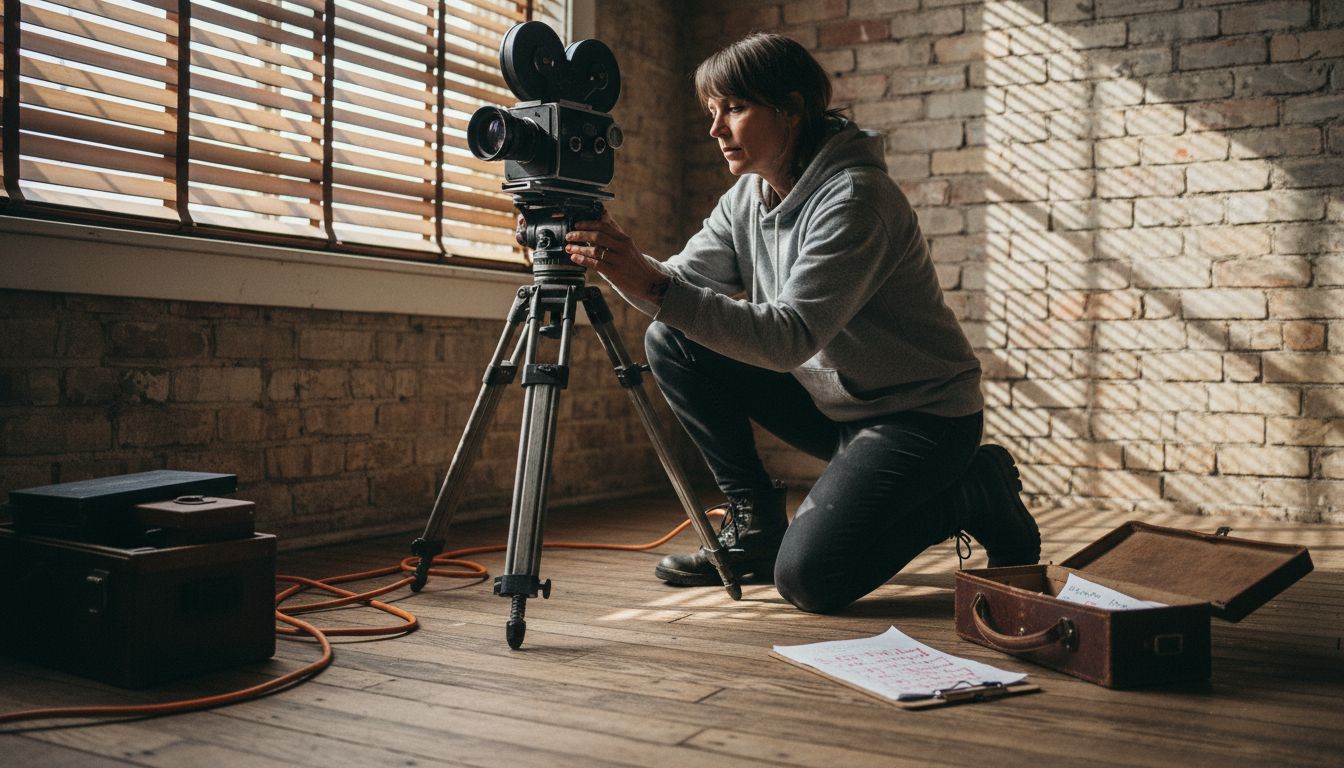
How Techniques Shape Viewer Experience
Cinematic techniques are powerful psychological tools that transform passive viewing into immersive emotional journeys. Professional film and video production leverages subtle visual manipulations to create profound connections between audiences and narrative experiences.
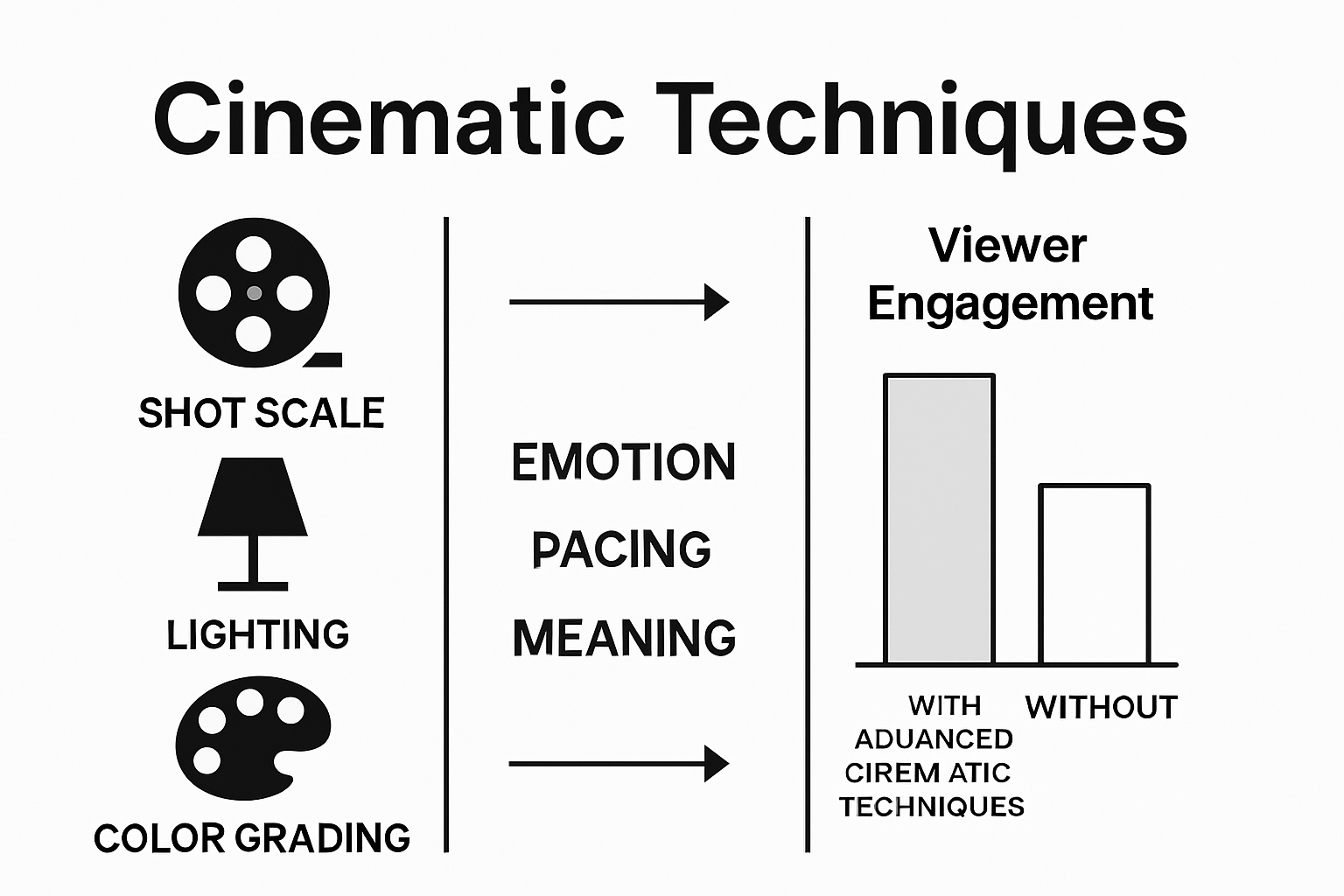
Research exploring viewer perception reveals that cinematographic techniques strategically influence emotional responses through carefully constructed visual elements. Audiovisual storytelling utilizes specific techniques to guide viewer attention, generate emotional resonance, and communicate complex narratives without relying solely on verbal communication.
Key ways cinematic techniques shape viewer experience include:
Emotional Manipulation
Lighting variations create psychological tension
Camera angles modify viewer perspective
Color grading influences mood and emotional interpretation
Narrative Guidance
Framing directs viewer focus
Movement techniques create narrative momentum
Composition controls information hierarchy
Psychological Impact
Wide shots generate feelings of isolation
Close-ups intensify emotional connections
Depth of field manages viewer engagement
By understanding and strategically implementing these techniques, filmmakers can create powerful sensory experiences that transcend traditional storytelling boundaries. The subtle art of cinematic technique transforms visual content from mere recording to an immersive psychological journey that resonates deeply with audiences.
Effective Use in Brand and Corporate Videos
Cinematic techniques have revolutionized the way businesses communicate their brand narratives, transforming corporate messaging from mundane presentations to compelling visual stories. Understanding the role of video in corporate branding reveals the critical importance of strategic visual storytelling in creating memorable brand experiences.
Research demonstrates that advanced editing techniques and strategic shot selection can dramatically enhance corporate video effectiveness. Video branding strategies leverage cinematic techniques to create emotional connections, communicate complex brand values, and engage viewers more profoundly than traditional marketing approaches.
Key strategies for effective corporate video production include:
Narrative Alignment
Matching visual techniques to brand personality
Creating consistent visual language
Developing storytelling that reflects corporate values
Emotional Engagement
Using lighting to create mood
Selecting camera angles that convey authenticity
Employing color grading to reinforce brand identity
Technical Precision
Implementing smooth transitions
Controlling pacing and rhythm
Balancing information with emotional resonance
By thoughtfully integrating cinematic techniques, businesses can transform corporate communications from simple information delivery to powerful narrative experiences that resonate deeply with their target audiences. The art of visual storytelling enables brands to communicate their essence, values, and vision in ways that traditional marketing cannot achieve.
Common Pitfalls to Avoid in Application
Cinematic techniques can quickly derail storytelling when applied without careful consideration and strategic planning. Professional film and video production demands meticulous attention to technical details and narrative coherence to avoid common visual storytelling mistakes.
Comprehensive research on cinematographic techniques has identified critical errors that can undermine the effectiveness of visual storytelling. Understanding video branding requires recognizing and proactively addressing these potential pitfalls that can distract or disconnect viewers from the intended message.
Major pitfalls to avoid include:
Technical Inconsistencies
Mismatched color grading
Inconsistent lighting across shots
Poor audio synchronization
Abrupt or jarring transitions
Narrative Disruptions
Misaligned camera angles
Unclear storytelling progression
Overcomplicating visual messaging
Losing focus of core brand narrative
Emotional Disconnects
Using techniques that feel inauthentic
Neglecting emotional resonance
Prioritizing technical complexity over storytelling
Failing to match visual style with brand personality
Successful visual storytelling requires a delicate balance between technical precision and emotional authenticity. By understanding and avoiding these common pitfalls, creators can develop compelling visual narratives that genuinely connect with their audiences and effectively communicate their intended message.
Elevate Your Brand with Expert Cinematic Techniques
The article explores the challenges of mastering cinematic techniques such as shot scale, camera angles, lighting, and color design to create emotionally engaging visual stories. Many creators struggle to maintain technical consistency while evoking authentic emotional connections through visual storytelling. If your goal is to transform simple footage into powerful narratives that truly resonate with your audience, you need a partner who understands these complexities and can craft tailored videos that reflect your brand identity.
At Tulip Films, we specialize in delivering professional film and video production services that integrate these cinematic principles into every project. Our personalized approach ensures that each video uses precise lighting, composition, and movement techniques to communicate your message effectively and create lasting emotional impact. Experience how strategic audiovisual storytelling enhances your corporate communication or promotional content by visiting Tulip Films.
Ready to bring cinematic storytelling to your next project and connect deeply with your audience? Discover how our expertise in professional film and video production and audiovisual storytelling transforms your vision into compelling video content. Contact us today at Tulip Films for a free consultation and start crafting your unique brand story with us now.
Frequently Asked Questions
What are the most important cinematic techniques in video production?
Cinematic techniques include shot scale, camera angle, composition, movement, lighting, and color design. These elements work together to create compelling visual narratives.
How do cinematic techniques influence viewer emotions?
Cinematic techniques influence viewer emotions by manipulating lighting, camera angles, and color grading to create psychological effects that resonate with audiences, guiding their emotional responses throughout the narrative.
What are some common mistakes to avoid when applying cinematic techniques?
Common mistakes include technical inconsistencies such as mismatched color grading and lighting, narrative disruptions like unclear storytelling progression, and emotional disconnects that can detract from viewer engagement.
How can businesses effectively use cinematic techniques in corporate videos?
Businesses can effectively use cinematic techniques by aligning visual storytelling with brand personality, creating emotional engagement through lighting and camera angles, and ensuring technical precision for smooth transitions and pacing.
Recommended
