Essential Audiovisual Branding Guide for Swiss Businesses

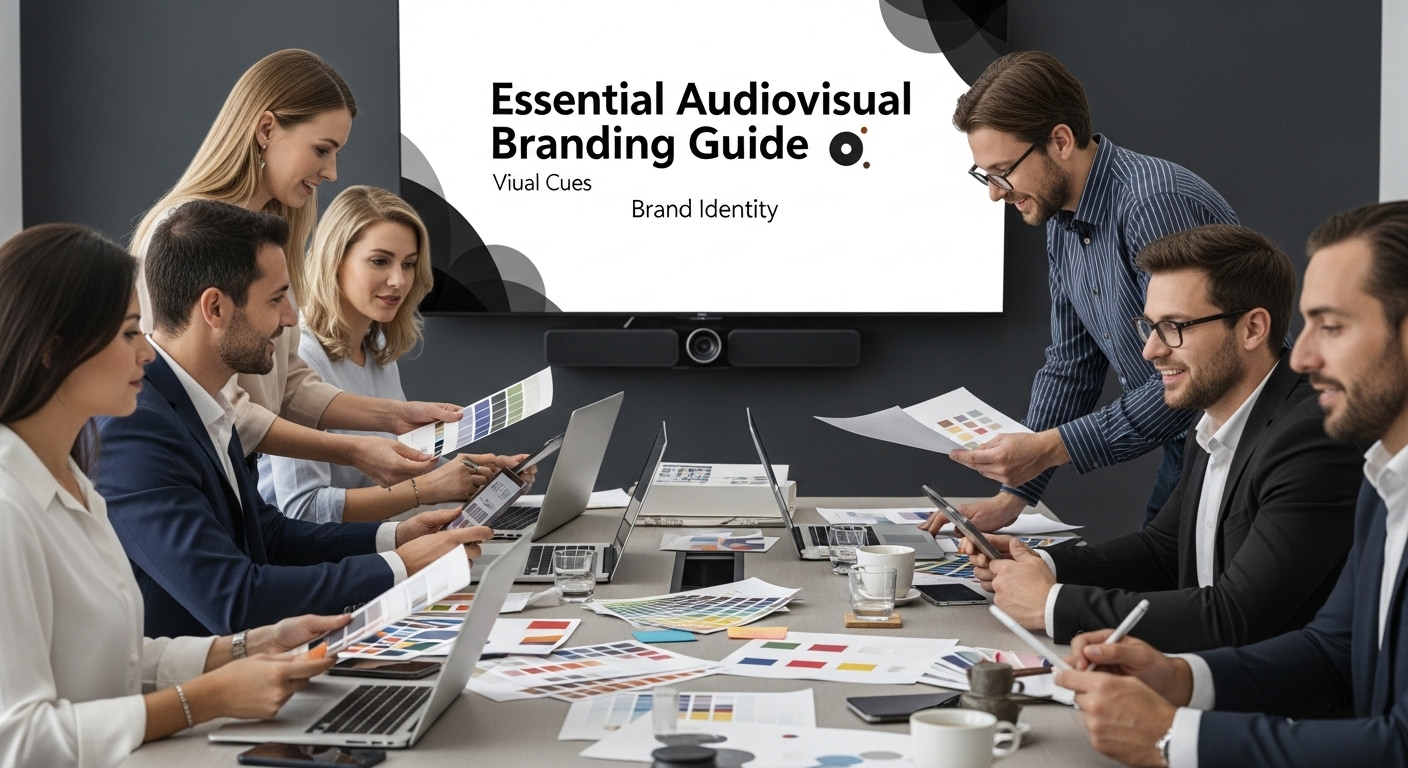
Audiovisual branding can make or break how Swiss businesses capture attention and trust. Most people assume flashy videos or slick graphics are all it takes. Yet nearly all successful brands share one thing you might not expect. Their top-performing content is grounded in a laser-focused brand identity, not just visuals. This silent strategy fuels authentic connections and lasting recognition where competitors only see surface-level design.
Table of Contents
Quick Summary
Key Point | Explanation |
1. Define your brand identity first | Establishing a clear brand identity is essential for consistent audiovisual communication. It outlines your core values and market positioning. |
2. Create a visual inventory | Document all visual elements like colors, typography, and logos. This inventory ensures cohesive branding across all platforms. |
3. Develop a comprehensive style guide | A style guide details how to consistently implement visual and audio elements, enhancing brand professionalism and recognition. |
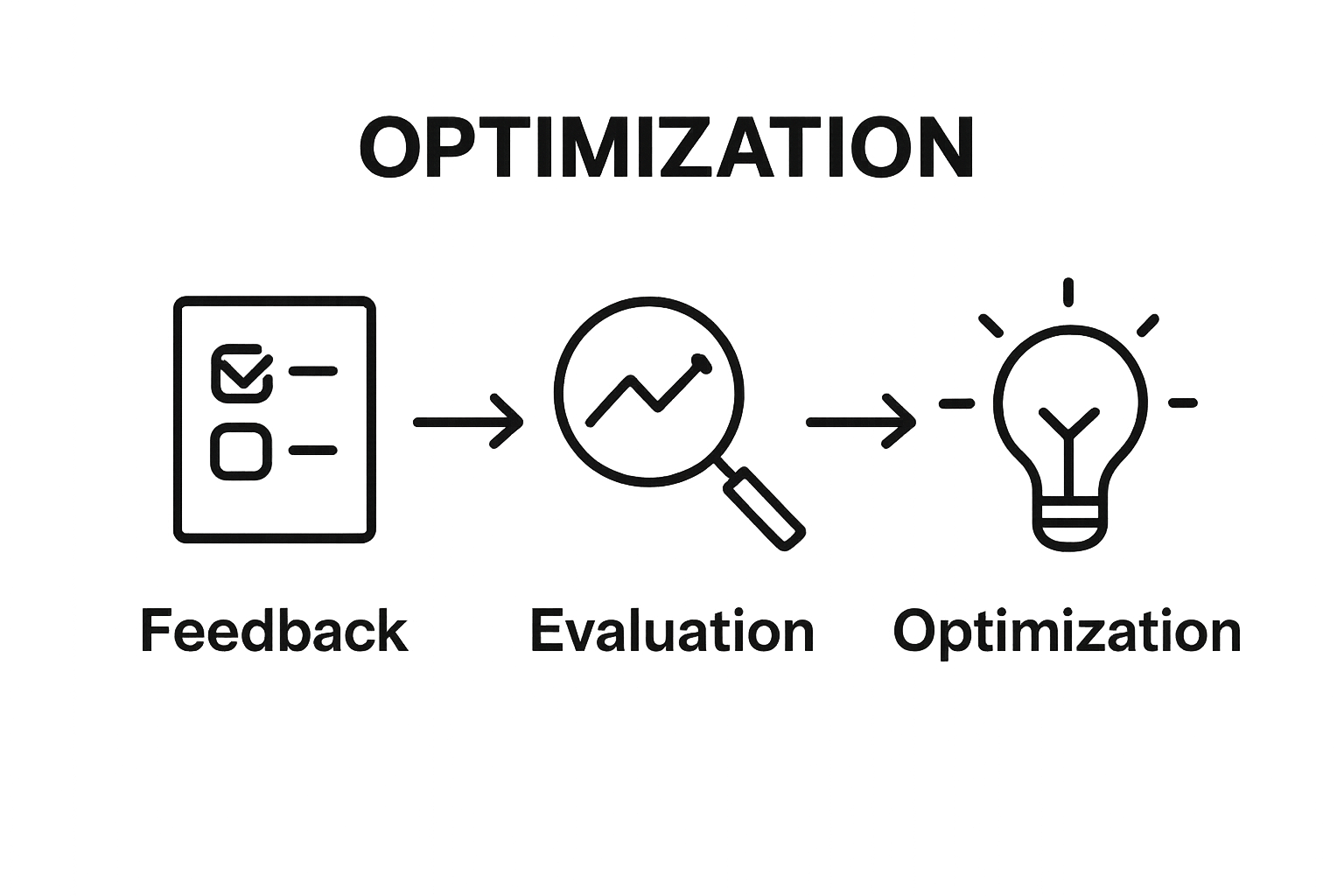
4. Engage in ongoing testing and evaluation | Regularly assess audience responses and engagement metrics to refine and optimize your audiovisual branding strategy. |
5. Use feedback for continuous optimization | Analyze audience feedback to make targeted improvements. This iterative process enhances communication effectiveness and brand alignment with audience expectations. |
Step 1: Define Your Brand Identity and Vision
Defining your brand identity represents the foundational cornerstone of successful audiovisual branding for Swiss businesses. This critical initial step transforms abstract concepts into a tangible strategic framework that will guide all future visual communication efforts. Brand identity goes beyond mere aesthetics it encapsulates your organization’s core values, personality, and unique market positioning.
Begin by conducting a comprehensive internal assessment that explores your company’s fundamental essence. This involves gathering key stakeholders to discuss and articulate your organization’s mission, vision, and core values. Engage in deep conversations that uncover what truly distinguishes your brand from competitors. What emotional response do you want to evoke? What narrative do you want to communicate through your visual storytelling?
The process requires honest introspection and strategic thinking. Document your findings in a clear, concise brand identity guide that will serve as a reference point for all future audiovisual content creation. Consider creating a visual mood board that captures your brand’s aesthetic spirit visual elements like color palettes, typography, imagery styles, and emotional tones that represent your organization’s core identity.
Your brand identity guide should address several key dimensions:
Core Values: What principles drive your organization?
Target Audience Persona: Who are you speaking to through your visual communication?
Brand Personality Traits: Are you professional, playful, innovative, traditional?
To refine this process, explore our comprehensive guide on understanding visual branding which provides deeper insights into crafting a compelling brand narrative. By meticulously defining your brand identity, you create a robust foundation that ensures consistency, authenticity, and powerful communication across all your audiovisual content.
Step 2: Identify Key Audiovisual Elements for Branding
Identifying key audiovisual elements transforms your brand’s abstract identity into a concrete visual language that communicates powerfully and consistently. This step translates your brand’s core personality into strategic visual components that will resonate with your target audience and differentiate you in the competitive Swiss market.
Start by developing a comprehensive visual inventory that captures every potential touchpoint where your brand communicates visually. This means examining color palettes, typography, logo variations, motion graphics, sound design, and video styles that authentically represent your organization. Professional brands understand that each visual element carries emotional weight and communicates subtle messages about organizational character and values.
Consider working with a professional design team or audiovisual expert who can help you systematically map out these critical brand elements. They can guide you in selecting color schemes that evoke the right emotional response color psychology plays a significant role in how audiences perceive your brand. Blue might communicate trust and professionalism, while warm oranges could suggest energy and creativity. Your chosen palette should align seamlessly with the personality and values established in your brand identity framework.
Your audiovisual element collection should include:
Primary and secondary color codes
Font families and typography guidelines
Logo design specifications
Motion graphic style references
Learn more about crafting a robust visual branding strategy that ensures your brand communicates consistently across all platforms. By meticulously selecting and documenting these audiovisual elements, you create a powerful visual toolkit that will serve as the foundation for all future brand communication efforts.
Step 3: Create a Consistent Visual and Audio Style
Creating a consistent visual and audio style represents the critical bridge between your brand identity and audience perception. Consistency is the silent ambassador of your brand’s professionalism, communicating reliability and intentionality through every audiovisual element you produce. This step transforms your previously defined brand elements into a cohesive sensory experience that resonates across multiple communication channels.
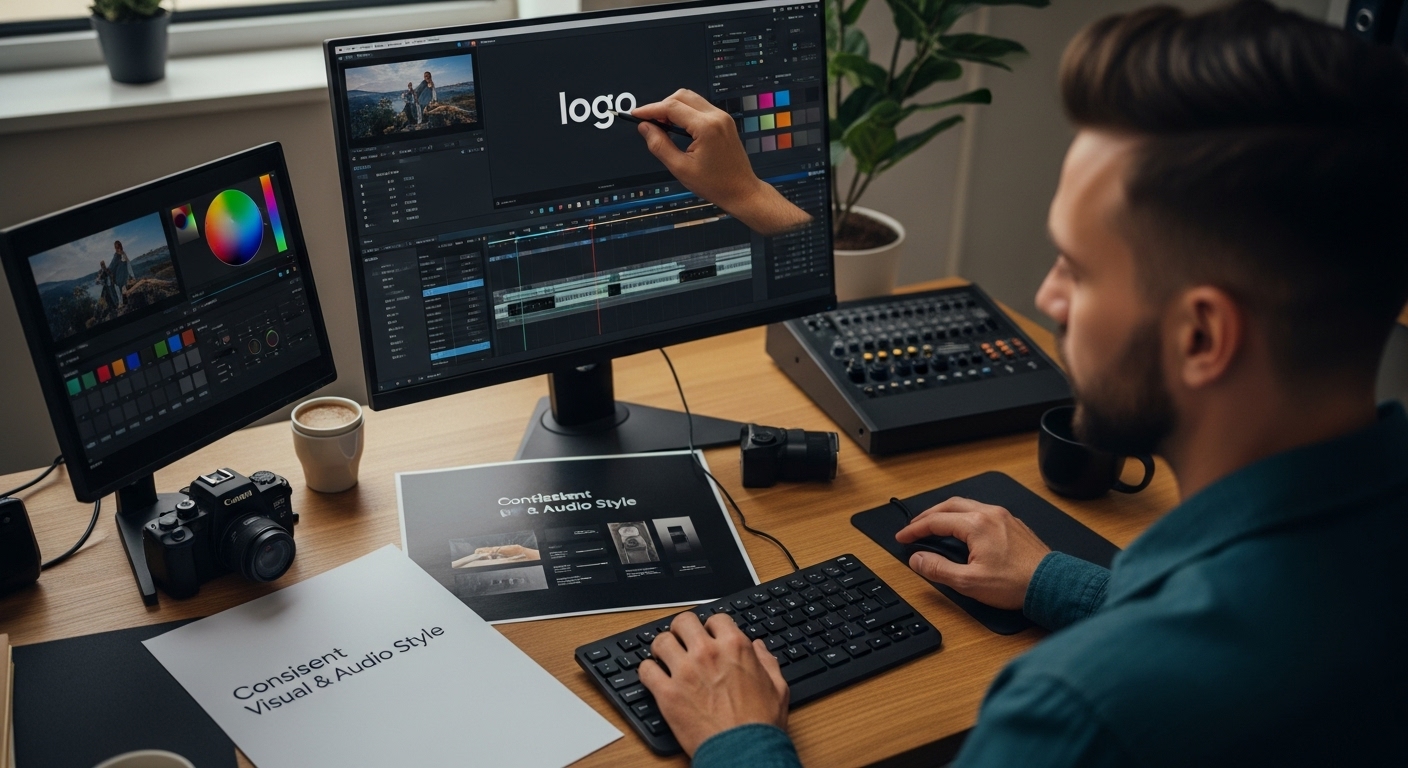
Begin by developing a comprehensive style guide that meticulously outlines how visual and audio elements will be implemented across different media platforms. This guide should provide explicit instructions for video transitions, color saturation, sound design, and graphic treatments that maintain a uniform brand aesthetic. Professional brands understand that even minor variations can dilute their visual messaging consistency is not about rigidity but about creating a recognizable and trustworthy brand signature.
Consider the emotional landscape you want to create through your audiovisual choices. Your visual style should communicate the same emotional undertones whether viewed on a smartphone, billboard, or presentation screen. This means carefully selecting color grades, musical tones, voiceover styles, and motion graphics that align with your brand’s core personality. A technology company might opt for sleek, minimalist designs with crisp electronic background sounds, while a wellness brand might choose warmer color palettes with organic, flowing transitions and calming acoustic elements.
Your style guide should specify:
Precise color grading parameters
Approved sound design principles
Graphic motion and transition standards
Typography usage across different media
Explore our comprehensive guide for crafting a robust visual branding strategy that ensures your audiovisual communication remains coherent and impactful. By investing time in developing a meticulous style guide, you create a powerful framework that enables your brand to communicate with clarity, confidence, and compelling consistency.
Step 4: Develop and Produce Your Audiovisual Content
Developing and producing audiovisual content represents the pivotal moment where your brand strategy transforms into tangible, engaging visual narratives. This step is where theoretical planning meets creative execution, turning your carefully crafted brand identity into compelling audiovisual experiences that resonate with your target audience.
Commence by creating a detailed content production roadmap that outlines specific project milestones, creative requirements, and technical specifications. This roadmap should translate your previously established brand identity and style guide into concrete production guidelines. Professional audiovisual content requires meticulous planning that balances creative vision with practical constraints. Consider assembling a core team of creative professionals who understand both your brand’s strategic objectives and the technical nuances of high quality audiovisual production.
Focus on developing content that tells authentic stories aligned with your brand’s core values. Authenticity trumps perfection in modern brand communication. This means creating videos, motion graphics, and sound designs that feel genuine and emotionally connected rather than overly polished or artificial. Your audiovisual content should invite your audience into a narrative that feels both professional and human.
Select production techniques that highlight your brand’s unique personality whether that means utilizing dynamic camera movements, innovative editing styles, or distinctive sound design elements that make your content immediately recognizable.
Your production checklist should include:
Comprehensive script and storyboard development
Technical equipment and resource allocation
Creative talent and crew selection
Post production workflow and quality control
Discover advanced strategies for audiovisual storytelling that can elevate your brand communication. By approaching content production as a strategic storytelling process, you transform audiovisual materials from mere visual communications into powerful brand experiences that connect, engage, and inspire your audience.
Step 5: Test and Evaluate Impact of Your Branding
Testing and evaluating your audiovisual branding represents the critical diagnostic phase that transforms assumptions into actionable insights. This step is not about judgment but strategic refinement, providing a scientific approach to understanding how your brand communication resonates with your target audience. Professional brands recognize that branding is an evolving process of continuous improvement, not a static achievement.
Implement a comprehensive evaluation strategy that combines quantitative metrics and qualitative feedback mechanisms. This means developing robust tracking systems that measure audience engagement across multiple platforms. Utilize analytics tools that provide deep insights into viewer behavior, including metrics like watch time, engagement rates, emotional response indicators, and conversion performance. Pay special attention to how different demographic segments interact with your audiovisual content tracking not just overall performance but nuanced responses that reveal opportunities for targeted optimization.
Create structured feedback loops that invite direct audience input. This could involve targeted surveys, focus group discussions, or digital feedback mechanisms that capture real time audience perceptions. Authentic audience perspectives are the most valuable currency in brand development. Design these feedback channels to be user friendly and incentivized, ensuring you receive genuine, detailed responses that go beyond surface level reactions. Consider implementing A/B testing methodologies where you present multiple versions of your audiovisual content to different audience segments, allowing data driven insights to guide your refinement process.
Your evaluation framework should include:
Comprehensive digital analytics tracking
Structured audience feedback mechanisms
Comparative performance benchmarking
Iterative content optimization strategies
Dive deeper into understanding video branding impact and learn advanced techniques for measuring your brand’s visual communication effectiveness. By treating your audiovisual branding as a dynamic, responsive ecosystem, you create a powerful framework for continuous strategic improvement that keeps your brand consistently relevant and engaging.
Step 6: Revise and Optimize Based on Feedback
Revising and optimizing your audiovisual branding based on audience feedback represents the most dynamic and intelligent phase of your strategic development. This step transforms raw data into actionable brand evolution, converting audience insights into precise, targeted improvements that enhance your communication effectiveness. Successful brands view feedback not as criticism but as a valuable roadmap for continuous refinement.
Approach the optimization process with a systematic and strategic mindset. Begin by categorizing the feedback received during your evaluation phase into clear, actionable segments. Identify patterns in audience responses that reveal consistent strengths and potential areas of improvement. This might involve recognizing specific visual elements that resonate strongly, understanding which narrative approaches generate maximum engagement, or pinpointing technical aspects of your audiovisual content that require recalibration. The goal is not wholesale transformation but nuanced, strategic adjustments that incrementally enhance your brand’s communication power.
Implement a disciplined revision workflow that balances creative intuition with data driven decision making. This means creating a structured process where feedback is meticulously reviewed, validated, and translated into specific production guidelines. Optimization is an iterative process that requires both technical precision and creative flexibility. Consider establishing a cross functional team that includes creative professionals, data analysts, and brand strategists to ensure a holistic approach to content refinement. This collaborative model allows for comprehensive evaluation that considers both quantitative performance metrics and qualitative brand positioning considerations.
Your optimization checklist should include:
Comprehensive feedback analysis framework
Prioritized improvement recommendations
Experimental content development approach
Continuous learning and adaptation strategies
Explore advanced techniques for refining your brand communication and learn how top brands transform feedback into strategic advantage. By cultivating a responsive, adaptive approach to audiovisual branding, you create a dynamic brand ecosystem that remains consistently relevant, engaging, and aligned with audience expectations.
Below is an overview table summarizing each step in the audiovisual branding process for Swiss businesses, highlighting the main goals and outcomes for every phase.
Step | Key Focus | Main Outcome |
1 | Define Brand Identity & Vision | Clear articulation of values and market positioning |
2 | Identify Audiovisual Elements | Documented visual inventory representing brand personality |
3 | Create Consistent Visual & Audio Style | Comprehensive style guide ensuring cohesive brand experience |
4 | Develop & Produce Content | Strategic audiovisual materials aligned with brand identity |
5 | Test & Evaluate Impact | Audience engagement metrics and actionable feedback |
6 | Revise & Optimize Based on Feedback | Targeted improvements for greater brand alignment and effectiveness |
Elevate Your Brand Vision With Tulip Films
Are you struggling to turn your unique brand identity into powerful audiovisual content that truly resonates with your Swiss audience? Many businesses know the frustration of inconsistent visuals, unclear messaging, and branding that fails to stand out. Our article outlined how defining your brand identity, creating a visual style guide, and continuously optimizing your approach are all crucial for lasting impact. Yet, bringing all these steps together in practice can feel overwhelming—especially when you want every video to reflect your values and connect emotionally.

Let Tulip Films be your solution for quality, speed, and personalization. We translate strategic branding concepts into memorable videos—crafted precisely for your goals. From developing a compelling brand identity to producing genuinely engaging audiovisual campaigns, our team partners with you from the first consultation to final revision. Visit www.tulipfilms.ch today for a free planning session. Make your next project the one that sets your brand apart—start now while your vision is fresh.
Frequently Asked Questions
What is the first step in developing an audiovisual branding strategy?
The first step is to define your brand identity and vision, which includes assessing your organization’s core values, mission, and personality.
How can I identify key audiovisual elements for my brand?
You can identify key audiovisual elements by creating a visual inventory of aspects such as color palettes, typography, logo designs, and motion graphics that represent your brand’s personality.
Why is creating a consistent visual and audio style important?
A consistent visual and audio style ensures that your brand communicates a reliable and recognizable message across all platforms, enhancing audience perception and professionalism.
How do I test and evaluate the impact of my audiovisual branding?
Testing and evaluating your branding can involve using analytics tools to measure audience engagement and collecting feedback through surveys or focus groups to gain insights into viewer behavior.
Recommended
