Why Use Professional Video Production: Swiss Brand Impact

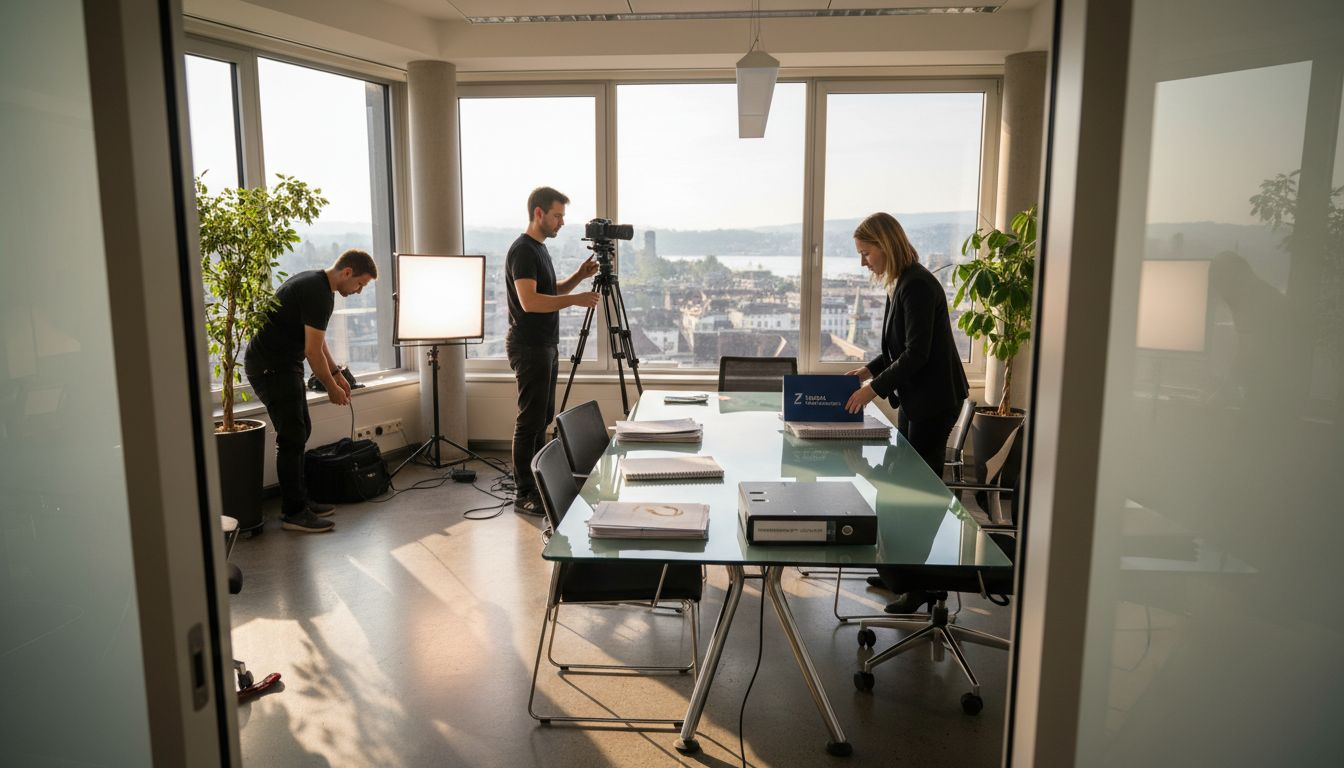
Every Swiss marketing director knows that modern brand campaigns demand more than simple visuals. As competition intensifies across Geneva, mastering professional video production becomes the difference between memorable storytelling and missed opportunities. Video creation requires strategic planning, technical literacy, and creative expertise at every stage, not just expensive equipment. This guide clarifies major production types, the multi-stage workflow, and common misconceptions, helping you craft compelling visual content that elevates brand visibility and audience engagement.
Table of Contents
Key Takeaways
Point | Details |
Professional Video Production Requires a Structured Approach | Focus on meticulous planning across pre-production, production, and post-production stages to ensure effective storytelling. |
Understand the Importance of Different Video Types | Align video production types with specific communication objectives for effective audience engagement. |
Invest in Professional Expertise Over DIY | Utilizing skilled professionals enhances technical quality and brand messaging, avoiding common pitfalls of amateur productions. |
Measure and Align to Communication Goals | Regularly assess video content against marketing objectives to ensure it delivers clear, measurable outcomes. |
Professional Video Production Defined and Debunked
Professional video production is far more complex than simply pointing a camera and recording. Video production represents a sophisticated, multi-stage creative process that transforms raw visual content into compelling storytelling. Video production techniques require strategic planning, technical expertise, and artistic vision to communicate messages effectively.
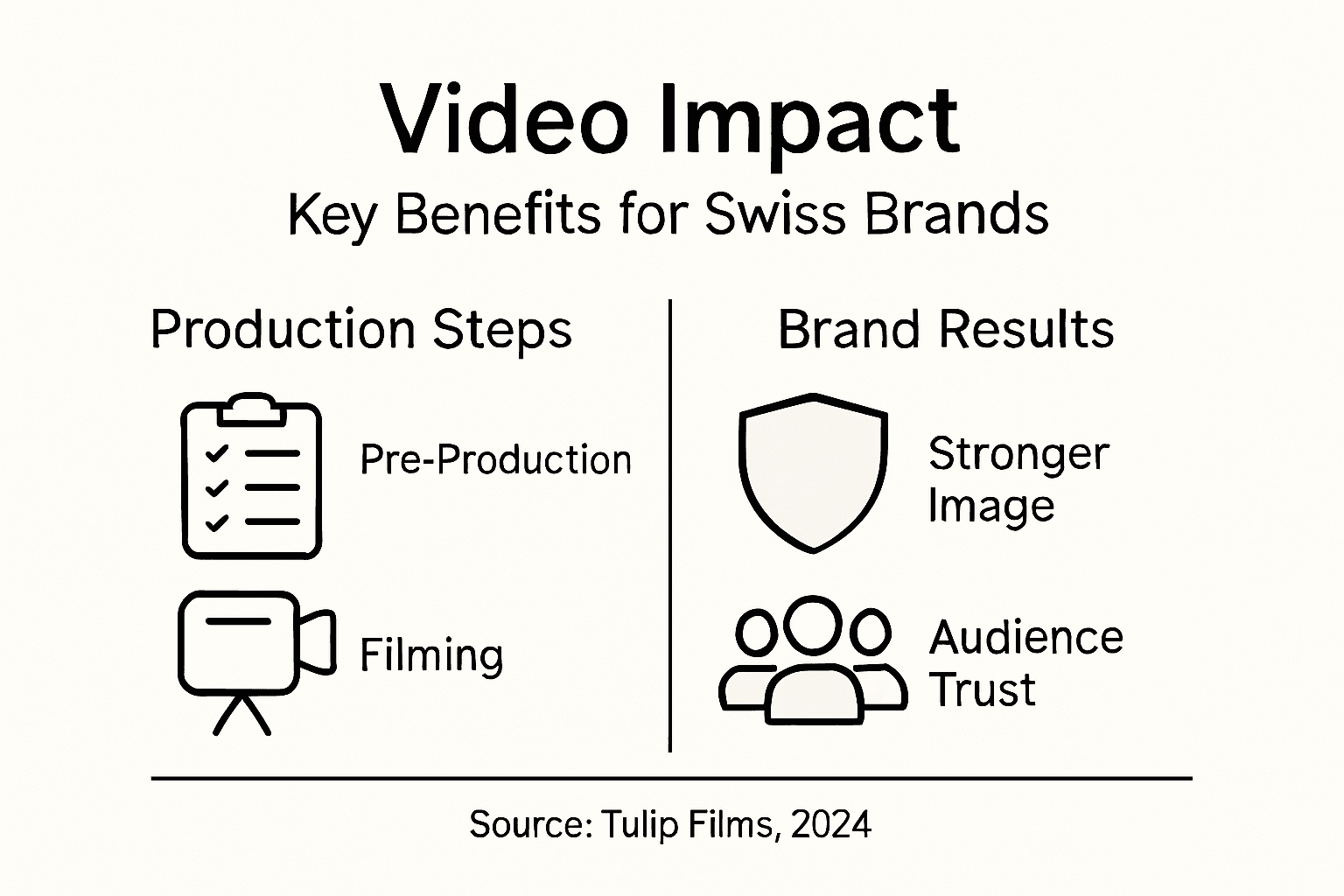
The process involves three critical stages that demand precision and skill:
Pre-Production: Strategic planning, scripting, storyboarding
Production: Actual filming, equipment management, directing talent
Post-Production: Editing, sound design, color grading, visual effects
Contrary to popular belief, professional video production isn’t about expensive equipment but about understanding communication dynamics. Academic research highlights that effective video creation demands technical literacy and comprehensive visual communication strategies. Swiss corporate marketing teams recognize that professionally produced videos can dramatically enhance brand messaging and audience engagement.
Marketing directors must understand that video production is not a quick or simple task. Comprehensive production processes require meticulous planning, technical knowledge, and creative expertise. Each stage demands specialized skills - from conceptualization through final delivery.
Pro tip: Invest time in pre-production planning to ensure your video narrative aligns perfectly with your brand’s strategic communication goals.
Major Video Production Types for Brands
Brands today have multiple video production types available to communicate their message effectively and strategically. Video production approaches range from commercial marketing videos to educational content, each serving unique communication objectives with distinct technical and creative requirements.
The primary video production types for Swiss brands include:
Commercial Marketing Videos: Direct promotional content
Corporate Training Videos: Internal communication and skill development
Educational/Explainer Videos: Product demonstration and knowledge sharing
Testimonial Videos: Customer experience and brand credibility
Event Coverage Videos: Documenting corporate events and achievements
Each video type demands a specialized production approach. Educational video production requires careful consideration of pedagogical goals, audience engagement, and content accessibility. Swiss brands must understand that different video types serve specific communication strategies, from building brand awareness to providing detailed product information.

Successful video production goes beyond technical execution. It involves understanding audience psychology, brand messaging, and creating content that resonates emotionally while delivering clear, concise information. Marketing teams must align video production type with specific communication objectives to maximize impact and audience engagement.
Pro tip: Select your video production type based on your specific communication goal and target audience preferences to ensure maximum relevance and viewer retention.
How the Production Process Drives Quality Results
Professional video production is a meticulously structured journey that transforms raw creative vision into compelling visual storytelling. Video production workflow involves strategic planning and precise execution across three critical phases that collectively determine the final product’s quality and impact.
The production process unfolds through essential stages:
Pre-Production: Strategic planning and conceptualization
Production: Actual filming and content capture
Post-Production: Editing, refinement, and final delivery
Production phase management requires meticulous attention to detail and collaborative expertise. Each stage builds upon the previous one, with careful planning in pre-production preventing costly mistakes during filming and ensuring smooth post-production workflows. Swiss brands recognize that professional video production is not just about expensive equipment, but about creating a structured approach that maximizes creative potential.
Here’s a summary of how each video production stage contributes to final quality:
Stage | Key Activities | Impact on Video Outcome |
Pre-Production | Planning, scripting, storyboarding | Sets vision, prevents costly errors |
Production | Filming, directing, equipment use | Ensures consistent quality capture |
Post-Production | Editing, sound, effects, delivery | Enhances story, polishes appearance |
Technical precision meets creative storytelling in professional video production. Marketing teams must understand that quality results emerge from comprehensive planning, skilled execution, and sophisticated post-production techniques. The production process acts as a strategic framework that transforms raw footage into meaningful brand communication, ensuring every visual element serves the intended message.
Pro tip: Invest significant time in pre-production planning, as 70% of a video’s success is determined before the camera starts rolling.
Strategic Benefits for Swiss Corporate Marketing
Professional video production has emerged as a critical strategic tool for Swiss corporate marketing, offering far more than simple visual communication. Swiss companies’ marketing trends demonstrate a sophisticated understanding of video’s transformative potential in brand storytelling and audience engagement.
The strategic benefits for Swiss corporate marketing include:
Enhanced Brand Visibility: Cutting through competitive noise
Increased Audience Engagement: Creating emotional connections
Improved Communication Clarity: Simplifying complex messages
Measurable Marketing Performance: Tracking viewer interactions
Global Brand Positioning: Presenting professional corporate identity
Professional video production provides Swiss corporations with a powerful communication mechanism that transcends traditional marketing approaches. Beyond aesthetic appeal, video content allows brands to communicate nuanced narratives, showcase corporate values, and establish meaningful connections with target audiences. The strategic deployment of high-quality video content enables companies to differentiate themselves in a crowded marketplace.
Marketing directors recognize that video is not merely a communication channel, but a strategic asset that can dramatically influence brand perception. By investing in professional video production, Swiss companies create compelling visual narratives that resonate with stakeholders, investors, and potential customers across diverse platforms and communication contexts.
Pro tip: Align your video content strategy with specific marketing objectives, ensuring each production serves a clear, measurable communication goal.
Avoiding Mistakes and Comparing DIY Alternatives
Video production demands sophisticated skills that extend far beyond simple recording techniques. Video production best practices reveal critical distinctions between professional and do-it-yourself approaches that can dramatically impact marketing effectiveness.
Common DIY video production mistakes include:
Technical Limitations: Inadequate equipment quality
Poor Lighting Management: Inconsistent visual presentation
Weak Audio Capture: Unprofessional sound design
Inconsistent Branding: Misaligned visual messaging
Ineffective Editing: Lacking narrative flow and engagement
Professional video production challenges demonstrate that while affordable tools have democratized content creation, achieving consistent professional-quality results requires extensive expertise. Swiss marketing teams must recognize that DIY approaches often compromise brand perception, creating content that appears amateurish and potentially undermines corporate credibility.
Marketing directors should critically evaluate their video production capabilities, understanding that professional services offer more than technical execution. They provide strategic insight, consistent quality, and a comprehensive approach to visual storytelling that transforms raw footage into compelling brand narratives. The investment in professional video production ultimately translates into more effective communication and stronger audience connections.
Compare professional production to DIY approaches:
Aspect | Professional Approach | DIY Approach |
Technical Quality | High due to expert skill | Limited by inexperience |
Brand Consistency | Meticulous visual alignment | Often inconsistent messaging |
Audience Engagement | Crafted for impact | May lack emotional resonance |
Resource Investment | Requires time and budget | Appears cost-effective, risky |
Pro tip: Conduct a comprehensive skills and equipment audit before deciding between DIY and professional video production to accurately assess your team’s true capabilities.
Elevate Your Brand with Expert Video Production from Tulip Films
The article highlights the critical need for strategic planning, technical excellence, and creative storytelling to avoid common pitfalls in video production that can damage brand reputation. Swiss marketing directors aiming to enhance audience engagement and communicate complex messages clearly must partner with professionals who understand these challenges. If your goal is to produce impactful corporate, commercial, or educational videos that truly resonate, embracing a comprehensive production process is essential.
At Tulip Films, we specialize in delivering tailored audiovisual solutions that align perfectly with your brand’s communication objectives. Our expertise covers a wide range of video production types, from corporate training videos to dynamic event coverage. We focus on understanding your unique needs to create polished, emotionally engaging content that stands out in the Swiss marketplace. Discover how our professional approach can avoid common DIY mistakes and ensure your message is delivered with precision and impact by visiting Tulip Films landing page.
Planning a compelling video is the first step toward transforming your brand presence. Explore our portfolio to see examples of how we combine quality, efficiency, and creativity. Ready to elevate your brand through professional video production? Contact Tulip Films today for a personalized consultation and let us help you harness the true power of visual storytelling.
Frequently Asked Questions
What are the key stages of professional video production?
The key stages of professional video production include pre-production (planning and scripting), production (filming and directing), and post-production (editing and final delivery). Each stage is crucial for ensuring the quality and effectiveness of the final video.
How does professional video production benefit brand communication?
Professional video production enhances brand communication by providing improved clarity, emotional engagement with the audience, and the ability to present complex messages in a simplified way, all while maintaining brand consistency.
What types of video production are most effective for brands?
Effective types of video production for brands include commercial marketing videos, corporate training videos, educational/explanatory videos, testimonial videos, and event coverage videos. Each type serves different communication objectives and audience engagement strategies.
Why should brands avoid DIY video production?
Brands should avoid DIY video production due to common mistakes such as poor technical quality, inadequate equipment, inconsistent branding, and ineffective editing. Professional production ensures high-quality results, consistent messaging, and better audience engagement.
Recommended
