Role of Videographer in Business Success


Over 90 percent of American businesses now use video as a key part of their marketing strategy. With audiences craving dynamic visual content more than ever, companies must move beyond static images to keep up. Understanding what a professional videographer truly brings to the table will help American organizations communicate their brand story vividly, stand out in a crowded market, and forge lasting audience connections.
Table of Contents
Key Takeaways
Point | Details |
Videographer’s Role | Videographers are strategic visual communicators who turn raw footage into compelling business narratives, enhancing engagement and brand messaging. |
Video Formats | Various video types like corporate overviews, product demonstrations, and testimonials serve distinct communication objectives and resonate with target audiences. |
Critical Skills | Successful videographers combine technical expertise with creative storytelling skills, essential for producing high-quality video content. |
Selecting a Videographer | When choosing a videographer, prioritize those with strong technical skills and a creative portfolio aligned with your brand’s narrative and communication goals. |
Defining the Videographer’s Role in Business
A videographer transforms raw visual stories into compelling business narratives that drive engagement and communication. Unlike traditional photographers, videographers specialize in capturing moving images that communicate complex messages, emotions, and brand identities through dynamic audiovisual content. Their role extends far beyond simply recording footage - they are strategic visual communicators who help businesses translate abstract concepts into memorable experiences.
In modern business environments, videographers serve as critical visual storytellers who bridge communication gaps through professional video production. Professional video content helps businesses communicate more effectively by creating engaging multimedia presentations that resonate with target audiences. They work across multiple domains - from corporate training videos and promotional content to event documentation and brand storytelling - using technical expertise and creative vision to craft messages that capture attention and drive meaningful audience connections.
The strategic value of a videographer encompasses several key dimensions. They bring technical proficiency in camera operations, lighting techniques, sound recording, and post production editing. Moreover, they possess creative skills to conceptualize narratives, understand brand messaging, and translate complex business objectives into visually compelling stories. Successful videographers combine technological mastery with storytelling prowess, enabling businesses to communicate more dynamically and authentically than traditional text or static image-based communications.
Beyond technical skills, modern videographers function as collaborative partners who understand business objectives. They work closely with marketing teams, brand managers, and executives to develop video strategies that align with specific communication goals. Whether producing recruitment videos, investor presentations, product demonstrations, or client testimonials, videographers transform raw visual material into powerful communication tools that can significantly enhance a company’s brand perception and audience engagement.
Business Video Types and Their Uses
Businesses leverage diverse video formats to communicate strategically and engage audiences across multiple channels. Each video type serves a unique purpose, targeting specific communication objectives and delivering tailored messaging that resonates with intended viewers. Understanding the diverse video formats helps businesses craft more effective communication strategies, enabling them to select the most appropriate visual approach for their specific goals.
The primary business video types include corporate overview videos, product demonstrations, training and educational content, testimonial recordings, recruitment presentations, and event documentation. Corporate overview videos provide a comprehensive snapshot of an organization’s mission, values, and operational capabilities. Product demonstration videos showcase technical features, functionality, and potential use cases, helping potential customers understand complex offerings through visual storytelling. Training videos enable consistent knowledge transfer, allowing companies to standardize instructional content and support employee skill development across distributed teams.
Testimonial videos represent powerful social proof mechanisms, featuring authentic client experiences that build credibility and trust. These recordings capture genuine customer narratives, highlighting successful outcomes and organizational strengths. Recruitment videos serve as dynamic employer branding tools, presenting company culture, work environment, and career opportunities in an engaging visual format. Event documentation videos preserve important corporate moments, conference proceedings, and significant organizational milestones, creating archival content that can be repurposed for future marketing and communication initiatives.
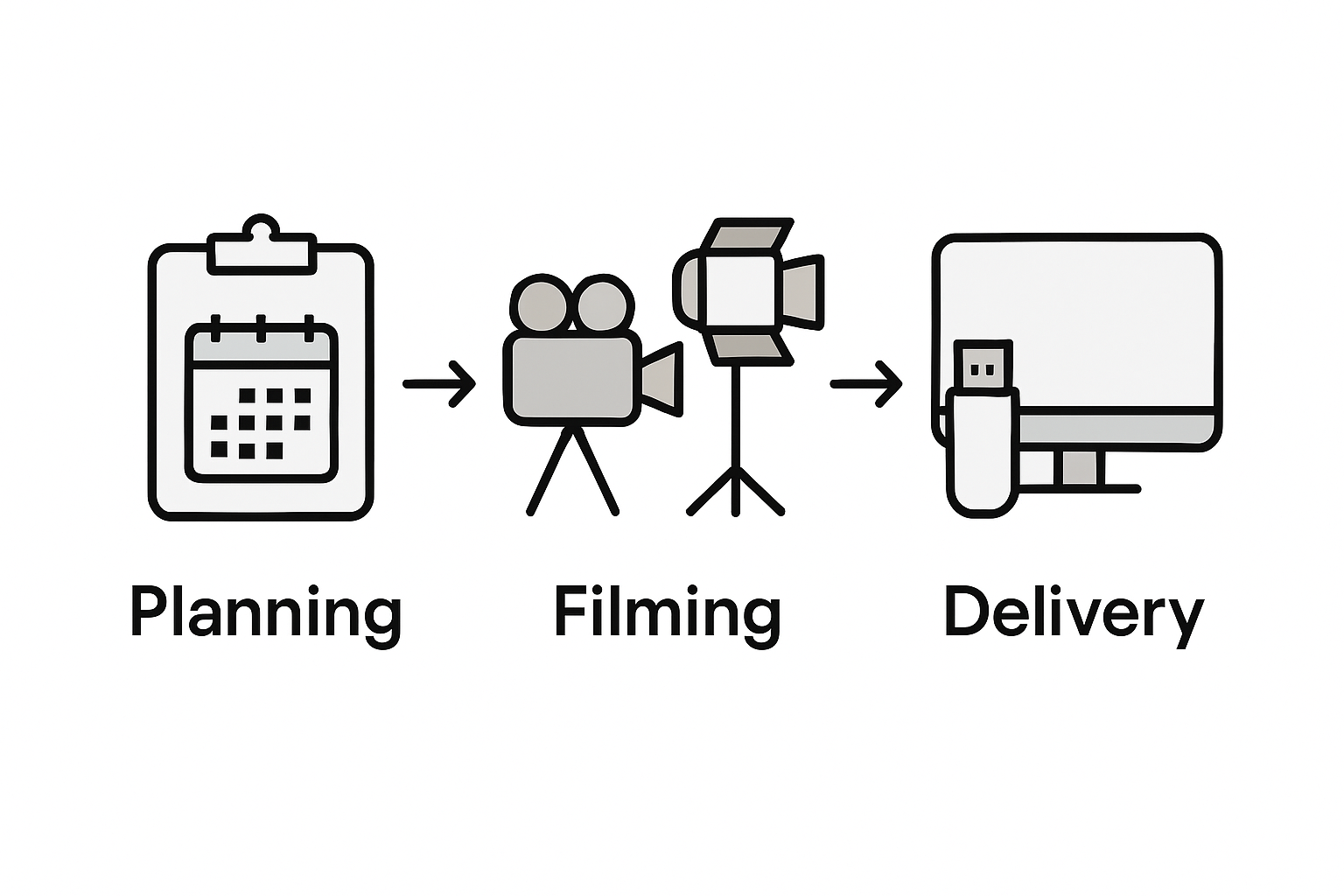
Successful video production requires meticulous planning and strategic alignment with business objectives. Effective preproduction processes ensure that video content accurately represents organizational goals, minimizing budget risks and maximizing communication impact. Businesses must consider target audience preferences, technical requirements, storytelling approach, and distribution channels when developing video content. By carefully selecting appropriate video formats and maintaining high production standards, organizations can transform visual media into powerful communication tools that drive engagement, understanding, and meaningful connections with stakeholders.
Key Videographer Skills and Deliverables
Videographers are multifaceted professionals who combine technical expertise, creative vision, and strategic communication skills to produce compelling visual content. Their role demands a sophisticated blend of technological proficiency, artistic sensibility, and professional adaptability. Creating compelling video content requires mastering complex production workflows that transform raw visual material into meaningful narrative experiences.
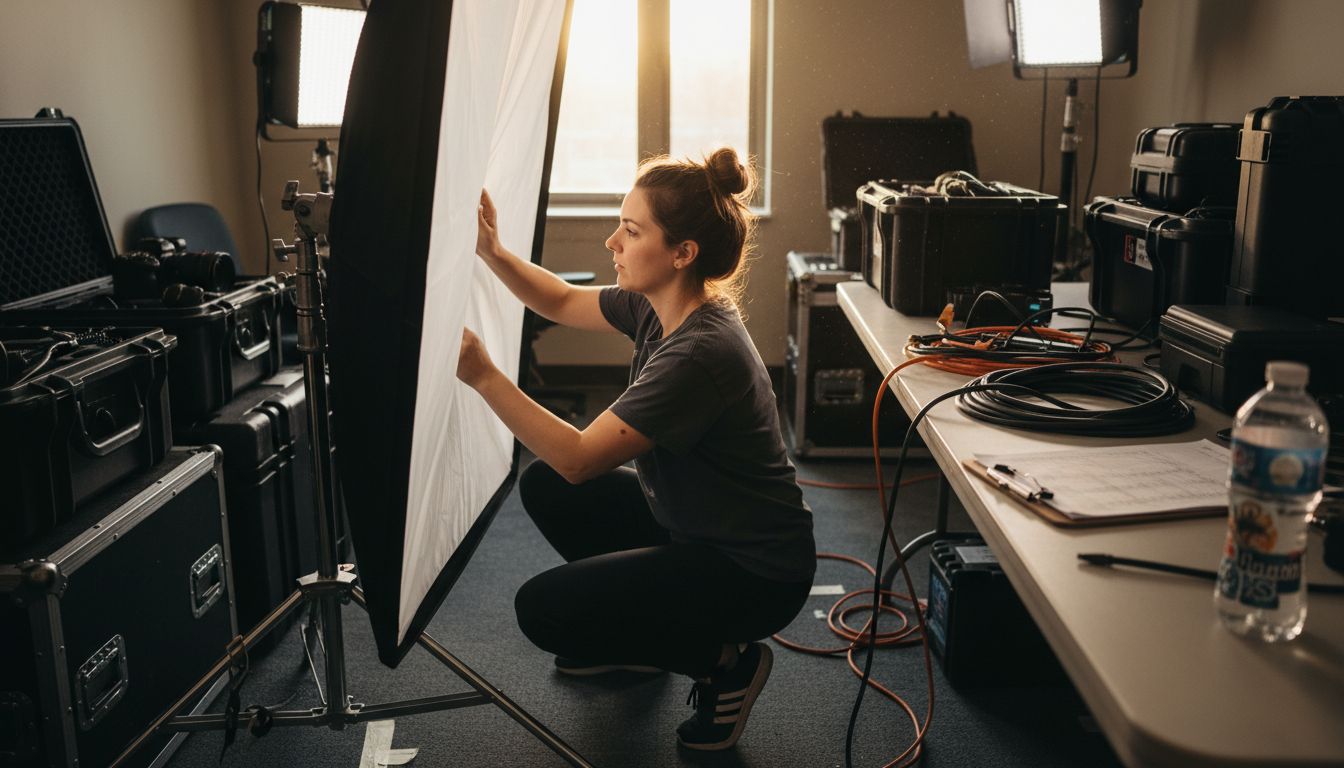
The core technical skills essential for modern videographers include advanced camera operation, lighting design, sound engineering, and professional editing capabilities. Proficiency with industry-standard equipment such as high-resolution digital cameras, professional audio recording devices, lighting rigs, and sophisticated editing software is crucial. Videographers must understand complex technical aspects like frame rates, color grading, audio synchronization, and visual composition. These technical competencies enable them to capture high-quality footage and manipulate visual elements to create impactful storytelling experiences that communicate complex messages effectively.
Beyond technical skills, successful videographers possess strong interpersonal and communication abilities. They must collaborate effectively with diverse stakeholders, including marketing teams, executives, clients, and creative professionals. This requires exceptional listening skills, the ability to translate abstract business objectives into visual narratives, and the creativity to develop unique storytelling approaches. Videographers must also demonstrate project management capabilities, including budgeting, scheduling, coordinating production teams, and meeting strict delivery timelines while maintaining exceptional quality standards.
The primary deliverables for videographers span multiple formats and purposes. These typically include corporate overview videos, product demonstrations, training content, testimonial recordings, promotional advertisements, event documentation, and brand storytelling pieces. Professional video showreels serve as critical marketing tools that showcase a videographer’s technical skills, creative range, and ability to produce diverse visual content. By continuously refining their technical skills, creative vision, and professional adaptability, videographers transform visual media into powerful communication tools that help businesses effectively engage and inspire their target audiences.
Impact on Corporate Branding and Communication
Video content has become a transformative medium for corporate communication, enabling businesses to craft compelling narratives that transcend traditional marketing approaches. Effective video branding strategies play a critical role in shaping organizational perception by creating emotional connections and communicating complex organizational values through visual storytelling. Videographers serve as strategic architects who translate abstract brand concepts into engaging visual experiences that resonate with target audiences.
In the realm of corporate communication, videographers help organizations maintain consistent visual identity and messaging across diverse platforms. Understanding the nuanced role of video in corporate communication reveals how visual content can communicate organizational culture, values, and strategic objectives more effectively than traditional text-based communications. By carefully crafting visual narratives, videographers help businesses communicate authentically, build trust, and create meaningful connections with stakeholders, employees, and potential clients.
The strategic impact of professional video production extends beyond mere visual representation. Businesses leverage video content to humanize their brand, showcase internal culture, demonstrate product capabilities, and communicate complex ideas with remarkable clarity. Videographers bring technical expertise and creative vision to transform corporate messaging into dynamic, memorable experiences that cut through information noise and capture audience attention. Their ability to distill intricate business concepts into compelling visual stories enables organizations to communicate more powerfully and efficiently.
Successful corporate video strategies require meticulous attention to visual consistency, brand alignment, and storytelling precision. High-quality video content serves as a powerful differentiator in competitive markets, helping businesses stand out by presenting their unique value proposition through engaging visual narratives. By investing in professional videography, organizations can create immersive brand experiences that not only communicate information but also evoke emotional responses, build credibility, and foster deeper audience engagement across multiple communication channels.
Budgeting, Contracts, and Legal Considerations
Professional videography requires sophisticated financial planning and comprehensive legal documentation that protect both the videographer and the client’s interests. Understanding the financial and contractual landscape is critical for establishing transparent, professional relationships that minimize potential disputes and ensure clear expectations. Professional videography roles demand meticulous contract management and strategic financial planning to maintain sustainable business operations.
Budgeting for video projects involves multiple complex considerations beyond simple hourly rates. Videographers must account for equipment costs, production expenses, post-production time, creative conceptualization, potential travel requirements, and specialized technical skills. Comprehensive project proposals typically include detailed line-item breakdowns that transparently communicate the value of professional services. Key budgetary elements include camera and lighting equipment rental, editing software subscriptions, location fees, talent costs, sound engineering expenses, color grading services, and potential licensing or stock footage acquisition.
Legal considerations in videography encompass several critical domains that require careful contractual management. Intellectual property rights represent a fundamental concern, with contracts needing to clearly define ownership of raw footage, edited content, and usage permissions. Videographers must establish precise terms regarding content licensing, potential republication rights, and potential restrictions on commercial use. Additional legal protections should address liability issues, cancellation terms, payment schedules, revision limits, and potential confidentiality requirements. Professional contracts serve as essential safeguards that protect both parties’ interests and establish clear expectations for project scope, deliverables, and potential contingencies.
Successful financial and legal strategies in videography demand proactive communication, transparency, and a comprehensive understanding of industry standards. Videographers must develop robust contract templates that are flexible enough to accommodate diverse project requirements while maintaining clear, enforceable terms. By implementing thorough budgeting processes, developing sophisticated legal documentation, and maintaining professional communication standards, videographers can create sustainable business models that protect their creative and financial interests while delivering exceptional value to clients.
Choosing the Right Videographer for Your Needs
Selecting the ideal videographer requires a strategic approach that goes beyond simple technical competence. Businesses must evaluate potential visual storytellers who can authentically represent their brand’s unique narrative and communication objectives. Professional videography demands comprehensive skills in capturing compelling organizational stories that resonate with target audiences and communicate complex messaging effectively.
Critical evaluation criteria for selecting a videographer include assessing their technical proficiency, creative portfolio, industry experience, and alignment with your specific communication goals. Businesses should scrutinize potential videographers’ previous work, examining their ability to produce high-quality visual content across different contexts. Key considerations include technical capabilities such as equipment quality, lighting techniques, sound recording expertise, editing skills, and their capacity to translate abstract business concepts into engaging visual narratives. Video production professionals must demonstrate versatility in creating content for diverse platforms, including corporate presentations, social media campaigns, promotional materials, and documentary-style content.
The selection process should involve comprehensive portfolio reviews, detailed discussions about project scope, and clear communication of expected outcomes. Potential videographers should demonstrate not just technical skills, but also strategic thinking about how visual content can support broader business objectives. This involves understanding brand identity, target audience preferences, and the nuanced ways visual storytelling can communicate complex organizational messages. Businesses should seek videographers who act as collaborative partners, offering creative insights and strategic recommendations that extend beyond basic video production.
Successful videographer selection ultimately hinges on finding a professional who combines technical excellence with creative vision and strategic communication skills. Beyond reviewing portfolios and technical capabilities, businesses should prioritize professionals who demonstrate genuine curiosity about their organization’s unique narrative, a collaborative approach, and the ability to translate complex ideas into compelling visual stories. By carefully evaluating potential videographers through multiple lenses - technical skills, creative potential, strategic thinking, and cultural alignment - organizations can identify visual storytellers who will effectively amplify their brand’s message and engage their target audiences.
Elevate Your Brand With Expert Videography Tailored for Business Success
The article highlights how a skilled videographer plays a crucial role in translating complex business goals into powerful visual stories that engage and inspire audiences. If your challenge is to communicate your brand authentically while crafting memorable narratives, you need a partner who understands the strategic value of video content. At Tulip Films, we specialize in creating high-quality corporate videos, promotional materials, and event documentation that align perfectly with your communication objectives.
Our personalized approach ensures that every frame captures your unique brand message with clarity and emotional impact. We are committed to quality and efficiency, providing rapid delivery without compromising creativity or professionalism. Discover how our expertise in video storytelling can bring your organizational vision to life with precision and finesse.
Experience the difference that professional videography can make in boosting your corporate image and audience engagement. Explore our range of services and recent projects designed to meet diverse business needs on our website. Learn more about the importance of strategic video production and how we craft compelling video narratives to maximize your impact.
Unlock the full potential of your business communication with Tulip Films today.
Ready to transform your brand’s story into a powerful video experience?
Contact us now at Tulip Films and schedule your free consultation to start creating videos that connect, captivate, and convert.
Frequently Asked Questions
What is the role of a videographer in business?
A videographer transforms raw visual stories into compelling narratives that help businesses communicate more effectively through professional video content. They serve as visual storytellers who bridge communication gaps and create engaging multimedia presentations.
What types of videos do businesses commonly use videographers for?
Businesses commonly use videographers for various types of videos, including corporate overview videos, product demonstrations, training content, testimonial recordings, recruitment presentations, and event documentation.
What key skills should I look for when hiring a videographer?
When hiring a videographer, look for key skills such as advanced camera operation, lighting design, sound engineering, and professional editing capabilities. Additionally, strong interpersonal and communication skills are important for collaboration and translating business objectives into visual narratives.
How can video content impact corporate branding?
Video content can significantly enhance corporate branding by creating emotional connections, communicating complex organizational values, and presenting a consistent visual identity across various platforms, making it an effective tool for engaging target audiences.
Recommended
