Role of Storyboarding in Video Production Success


Over 65 percent of American video projects encounter delays due to unclear visual planning. For anyone navigating the demands of creative production, a missed step in pre-visualization can mean lost time and higher costs. Understanding how storyboarding works not only improves workflow but also brings ideas to life more effectively. Discover how professional teams use this simple tool to create clear direction, stronger collaboration, and visually compelling results.
Table of Contents
Key Takeaways
Point | Details |
Storyboarding as a Planning Tool | A storyboard is essential for visualizing narratives and planning sequences before filming to streamline the production process. |
Types of Storyboarding Techniques | Various techniques, including hand-drawn sketches and digital tools, offer flexibility in adapting to project needs and complexities. |
Enhancing Communication with Clients | Storyboards serve as a visual language that helps align expectations and facilitates collaborative feedback between production teams and clients. |
Preventing Errors in Video Production | Rigorous pre-visualization through storyboarding helps identify potential challenges early, reducing the risk of costly mistakes during filming. |
Defining Storyboarding for Video Production
A storyboard is a visual planning tool that transforms a video production’s narrative into a strategic sequence of illustrated frames. Much like an architectural blueprint, storyboards provide a critical roadmap for transforming creative concepts into tangible visual storytelling. Storyboards help videographers pre-visualize the entire project before actual filming begins, allowing for precise narrative planning and creative optimization.
At its core, a storyboard consists of sequential illustrations or images that represent key moments and camera angles within a video production. These graphic organizers map out motion picture sequences by breaking down complex narratives into individual, manageable visual components. Typically, each frame includes detailed annotations about camera positioning, character movements, dialogue, and specific technical requirements needed to capture the scene accurately.
Storyboarding serves multiple critical functions in video production. Creators use these visual scripts to:
Communicate complex narrative ideas quickly and precisely
Identify potential visual or logistical challenges before production
Align creative team members around a shared vision
Optimize production budgets by reducing on-set improvisation
Ensure consistent storytelling across different production stages
Professional video production teams view storyboards as an indispensable strategic tool that bridges the gap between initial creative conceptualization and final visual execution. By meticulously planning each frame, videographers can streamline workflows, enhance creative collaboration, and deliver more compelling visual narratives.
Types of Storyboarding Techniques Used
Storyboarding encompasses multiple techniques that enable video production teams to transform narrative concepts into visual blueprints. Digital and traditional storyboarding methods offer diverse approaches for pre-visualizing complex video projects, each with unique strengths and creative possibilities. Professionals can select techniques based on project complexity, budget constraints, and specific creative requirements.
Traditional hand-drawn storyboards represent the foundational technique, where artists manually sketch key scenes and narrative sequences. In contrast, digital storyboarding leverages advanced software tools that provide greater flexibility and rapid iteration capabilities. Advanced storytelling techniques like visual metaphors, juxtaposition, and narrative rhythm can be strategically incorporated to enhance visual storytelling and emotional engagement.
The primary storyboarding techniques include:
Hand-Drawn Sketches: Traditional method using pencil and paper
Digital Storyboarding: Computer-generated illustrations and sequences
Animatics: Animated storyboards with basic motion and timing
Photomatic Storyboards: Using photographs instead of illustrations
3D Previsualization: Creating three-dimensional scene mockups
Each technique offers unique advantages, allowing video production professionals to choose the most appropriate approach for their specific project requirements. Successful storytellers understand that the right storyboarding method can transform abstract concepts into compelling visual narratives, providing a critical roadmap for effective video production.
How Storyboarding Shapes Visual Storytelling
Visual storytelling represents the art of communicating narrative ideas through strategic visual compositions. Translating text synopses into comprehensive video storyboards enables creators to transform abstract narrative concepts into tangible visual sequences that guide the entire production process. This transformative approach allows filmmakers to visualize complex stories before actual filming begins, ensuring cohesive and purposeful visual communication.
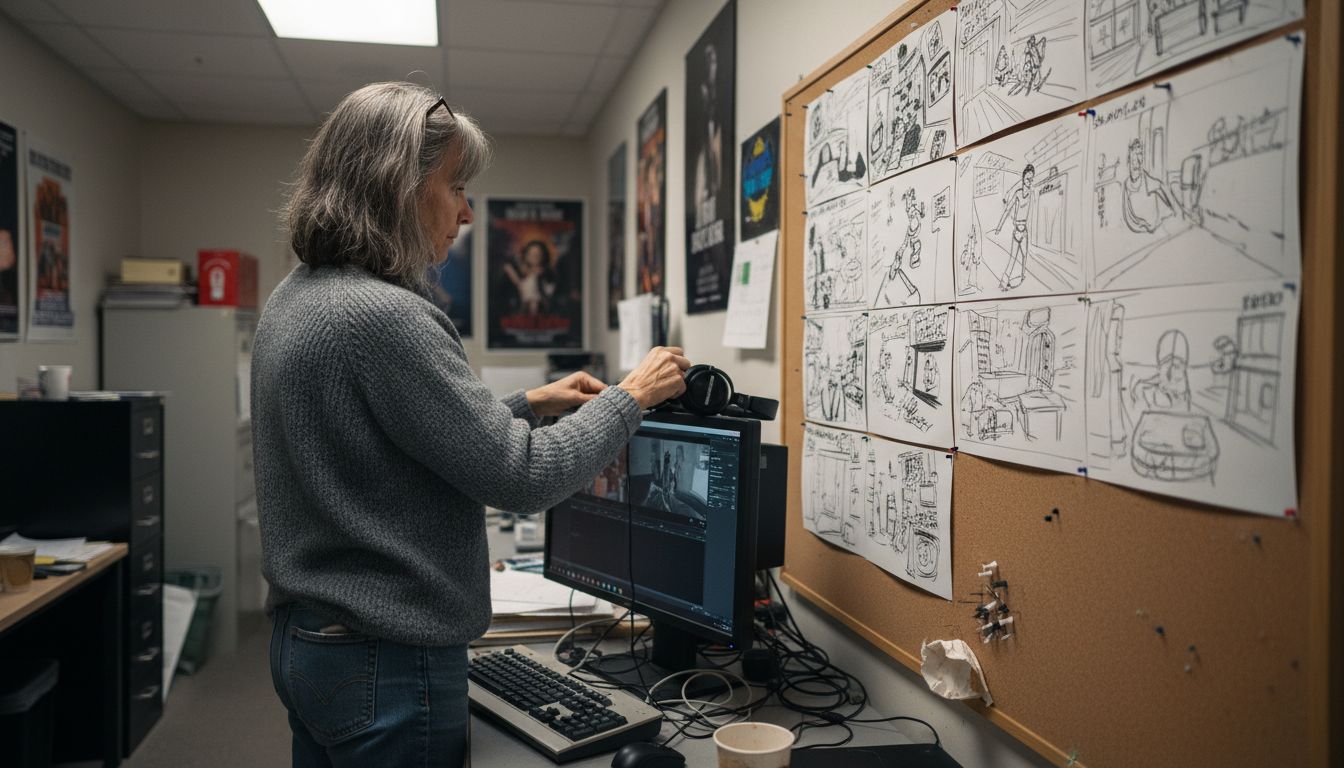
Storyboarding fundamentally serves as a narrative blueprint, providing directors and creative teams with a strategic framework for visual interpretation. Dynamic storyboard generation in virtual production environments demonstrates how these visual scripts help plan intricate scene compositions, camera angles, and emotional progressions. By breaking down narrative moments into precise visual components, storyboards help creators anticipate potential storytelling challenges and optimize visual communication strategies.
Key ways storyboarding shapes visual storytelling include:
Establishing narrative flow and emotional progression
Defining visual rhythm and scene transitions
Planning camera movements and perspectives
Identifying potential visual storytelling gaps
Ensuring coherent visual language across scenes
Successful visual storytelling emerges from meticulous planning and creative vision. Storyboards act as a critical translation tool, transforming written narratives into compelling visual experiences that engage audiences through strategic visual composition and emotional resonance. By providing a comprehensive roadmap, storyboards empower creative teams to craft narratives that transcend traditional storytelling limitations.
Role in Client Communication and Planning
Storyboarding serves as a critical communication bridge between video production teams and their clients, transforming abstract project concepts into tangible visual representations. Technical production planning through comprehensive storyboards enables clear visualization of project scope, technical requirements, and creative vision before actual production begins. This strategic approach helps minimize misunderstandings and ensures all stakeholders share a unified understanding of the project’s potential outcomes.
The storyboarding process provides multiple communication advantages for clients and production teams. By presenting detailed visual scripts, creators can demonstrate their creative approach, illustrate technical capabilities, and provide clients with a realistic preview of the final video product. These visual blueprints allow clients to offer meaningful feedback, request modifications, and actively participate in the creative development process well before significant resources are invested in production.
Key communication benefits of storyboarding include:
Transparent project visualization
Clear expectations management
Early identification of potential creative challenges
Collaborative refinement of project vision
Reduced risk of miscommunication
Cost-effective creative iterations
Effective client communication through storyboarding requires a collaborative and iterative approach. Successful video production teams use these visual tools to build trust, demonstrate professional expertise, and create a shared creative journey with their clients. By transforming complex ideas into comprehensible visual narratives, storyboards become powerful instruments of professional communication and creative alignment.
Avoiding Common Errors in Video Projects
Video production involves complex creative and technical challenges that can derail even the most well-intentioned projects. Preventing costly mistakes through meticulous scene visualization provides a critical strategy for maintaining project quality and professional standards. By anticipating potential issues before filming begins, production teams can dramatically reduce the risk of expensive reshoots and creative missteps.

Common video production errors often stem from inadequate planning and limited foresight. These mistakes can range from technical challenges like poor lighting and sound quality to narrative issues such as unclear storytelling and inconsistent visual messaging. Comprehensive storyboarding acts as a preventative mechanism, allowing creators to identify and address potential problems during the pre-production phase when modifications are significantly less expensive and complex.
Key errors to prevent in video projects include:
Insufficient narrative clarity
Misaligned visual and emotional storytelling
Poor camera positioning and movement
Inconsistent lighting and color grading
Weak audio recording and synchronization
Inadequate scene transition planning
Successful video production requires a proactive approach to error prevention. By implementing rigorous pre-visualization techniques and maintaining open communication channels, creative teams can transform potential challenges into opportunities for innovation and storytelling excellence. Storyboarding serves as a strategic tool that empowers professionals to anticipate, plan, and execute video projects with precision and creative confidence.
Unlock the Power of Storyboarding for Your Next Video Project
Storyboarding is the backbone of successful video production. It tackles the challenge of transforming complex narratives into clear visual plans that save time, cut costs, and prevent costly errors during filming. If you seek to avoid confusion, ensure consistent storytelling, and align your vision with your creative team, mastering storyboard techniques is essential. When your goal is to deliver videos with precise camera movements, emotional flow, and seamless transitions, a well-crafted storyboard becomes your strategic advantage.
At Tulip Films, we understand how crucial storyboarding is to crafting engaging audiovisual content. Our Swiss-based video production experts specialize in turning visionary ideas into detailed visual blueprints that drive compelling storytelling. From event coverage to corporate films and promotional ads, our personalized approach guarantees your project stays on track and reflects your unique vision. Discover how our professional team streamlines communication and enhances creative planning by visiting Tulip Films. Experience firsthand how our dedication can turn your concepts into captivating video experiences.
Looking to prevent common production pitfalls and optimize your video strategy?

Start your journey to flawless video storytelling today by scheduling a free consultation with Tulip Films. Visit Tulip Films now to see how our expert storyboarding and production process can bring your vision to life with clarity and impact.
Frequently Asked Questions
What is the purpose of storyboarding in video production?
Storyboarding serves as a visual planning tool that helps filmmakers convert narrative concepts into a sequence of illustrated frames, allowing for precise narrative planning and optimization before filming begins.
How does storyboarding enhance communication between the production team and clients?
Storyboards act as a critical communication bridge, enabling clients to visualize project concepts, provide feedback, and ensure alignment on creative vision, thus minimizing misunderstandings before production starts.
What are the different types of storyboarding techniques used in video production?
Common storyboarding techniques include hand-drawn sketches, digital storyboards, animatics, photomatic storyboards, and 3D previsualization, each offering unique advantages for visual storytelling.
How can storyboarding help avoid common errors in video production?
By providing a clear visual representation of scenes and narratives, storyboarding allows production teams to identify and address potential issues, such as unclear storytelling and poor camera positioning, before filming, thereby reducing the risk of costly mistakes.
Recommended
