Commercial Video Production: Boosting Swiss Brand Impact


More than 80 percent of businesses worldwide now cite video as the most engaging way to connect with their audiences, surpassing even traditional American advertising tactics. For Swiss marketing managers in SMEs, this shift is reshaping what brand engagement really means. Understanding how tailored commercial video production can transform complex messaging into captivating stories helps your brand stand out while meeting strict Swiss standards for quality and compliance.
Table of Contents
Key Takeaways
Point | Details |
Importance of Pre-Production | Thorough planning in pre-production is crucial to align video narratives with strategic business objectives, ensuring impactful outcomes. |
Variety in Video Content | Different types of commercial videos serve unique purposes; companies should tailor content to effectively engage targeted audiences. |
Legal Compliance | Adhering to Swiss legal standards regarding personal rights, data privacy, and copyright is essential to avoid potential disputes in video production. |
Budget Considerations | Clear financial planning and itemized quotes from production teams help manage costs and set realistic expectations for project deliverables. |
Defining Commercial Video Production Today
Commercial video production transforms complex business narratives into powerful visual stories that connect brands with their audiences. At its core, video production involves capturing, editing, and presenting compelling content that goes far beyond simple recording.
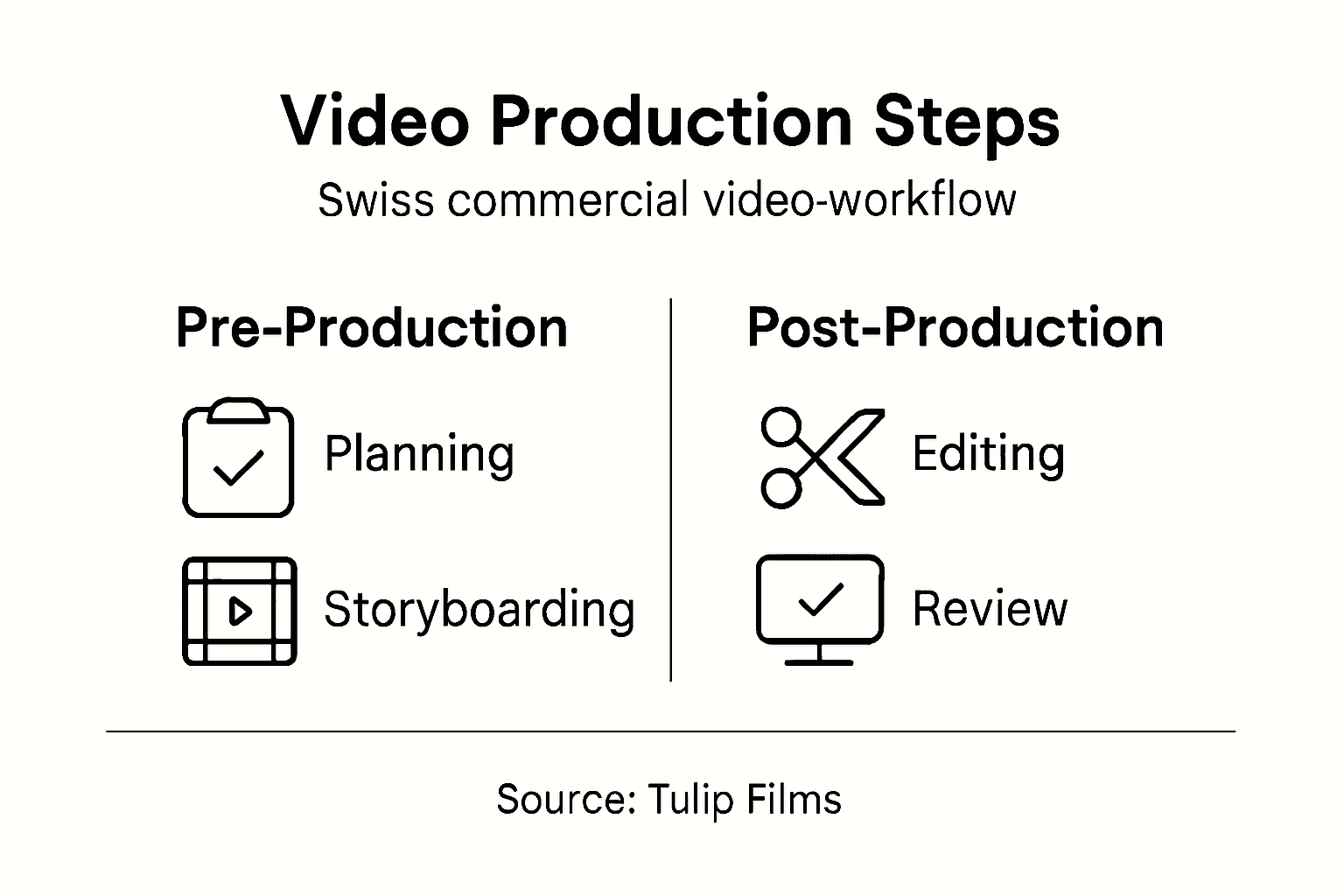
This specialized field encompasses three critical stages: pre-production, production, and post-production. During pre-production, Swiss marketing teams strategize their messaging, develop creative concepts, and outline precise video objectives. The production phase involves actual filming, where professional cinematographers capture high-quality footage that represents brand identity and communication goals. Post-production transforms raw recordings into polished, impactful visual narratives through advanced editing techniques, color grading, sound design, and graphics integration.
Commercial video production serves multiple strategic purposes for Swiss businesses. These include brand awareness campaigns, product demonstrations, corporate storytelling, training materials, and sales enablement content. The ultimate goal is creating video assets that not only inform but emotionally engage target audiences, driving measurable business outcomes like increased engagement, lead generation, and conversion rates.
Pro tip: When planning commercial video content, invest significant time in pre-production planning to ensure your visual narrative aligns perfectly with your brand’s strategic communication objectives.
Here’s how the main stages of commercial video production contribute to business goals:
Stage | Key Actions | Business Impact |
Pre-Production | Planning concepts and objectives | Ensures strategic messaging |
Production | Filming with professional expertise | Captures brand image and quality |
Post-Production | Editing, sound, and graphic integration | Delivers polished, engaging content |
Varieties of Commercial Video Content
Commercial video content represents a dynamic spectrum of visual communication strategies designed to meet diverse business objectives. From brand storytelling to product marketing, Swiss companies leverage different types of promotional videos to engage their target audiences effectively.
The primary varieties of commercial video content include:
Brand Story Videos: Narrative-driven pieces that communicate company values, mission, and cultural identity
Product Demonstration Videos: Detailed showcases explaining product features, functionality, and unique selling points
Testimonial Videos: Customer success stories that build credibility and social proof
Corporate Training Videos: Educational content for internal skills development and knowledge transfer
Event Recap Videos: Highlight reels capturing company events, conferences, and significant milestones
Each video type serves a strategic purpose in the marketing ecosystem. Product demonstration videos, for instance, allow potential customers to visualize solutions in action, while testimonial videos create emotional connections through authentic client experiences. Corporate training videos streamline knowledge dissemination, ensuring consistent skill development across organizations.
Modern Swiss businesses understand that video content is not one-size-fits-all. Successful video strategies require careful alignment between content type, target audience, and communication objectives. By diversifying video content approaches, companies can create more engaging, memorable, and impactful brand narratives.
Pro tip: Develop a comprehensive video content strategy that maps different video types to specific stages of your customer journey for maximum engagement and conversion.
Use this table to compare the focus and outcomes of various commercial video types:
Video Type | Primary Focus | Best Business Use |
Brand Story | Company values and identity | Brand building |
Product Demonstration | Features and benefits | Sales and education |
Testimonial | Customer experiences | Credibility and trust |
Training | Staff knowledge transfer | Internal development |
Event Recap | Highlights and milestones | Event promotion |
Essential Steps in Video Production Process
Commercial video production follows a structured approach that transforms creative concepts into compelling visual narratives. The complete video production process involves strategic planning and meticulous execution across three primary stages: pre-production, production, and post-production.
The process begins with pre-production, the critical planning phase where foundational work happens:
Defining project objectives and target audience
Developing creative concepts and messaging
Writing detailed scripts and storyboards
Selecting locations, talent, and equipment
Creating production schedules and budgets
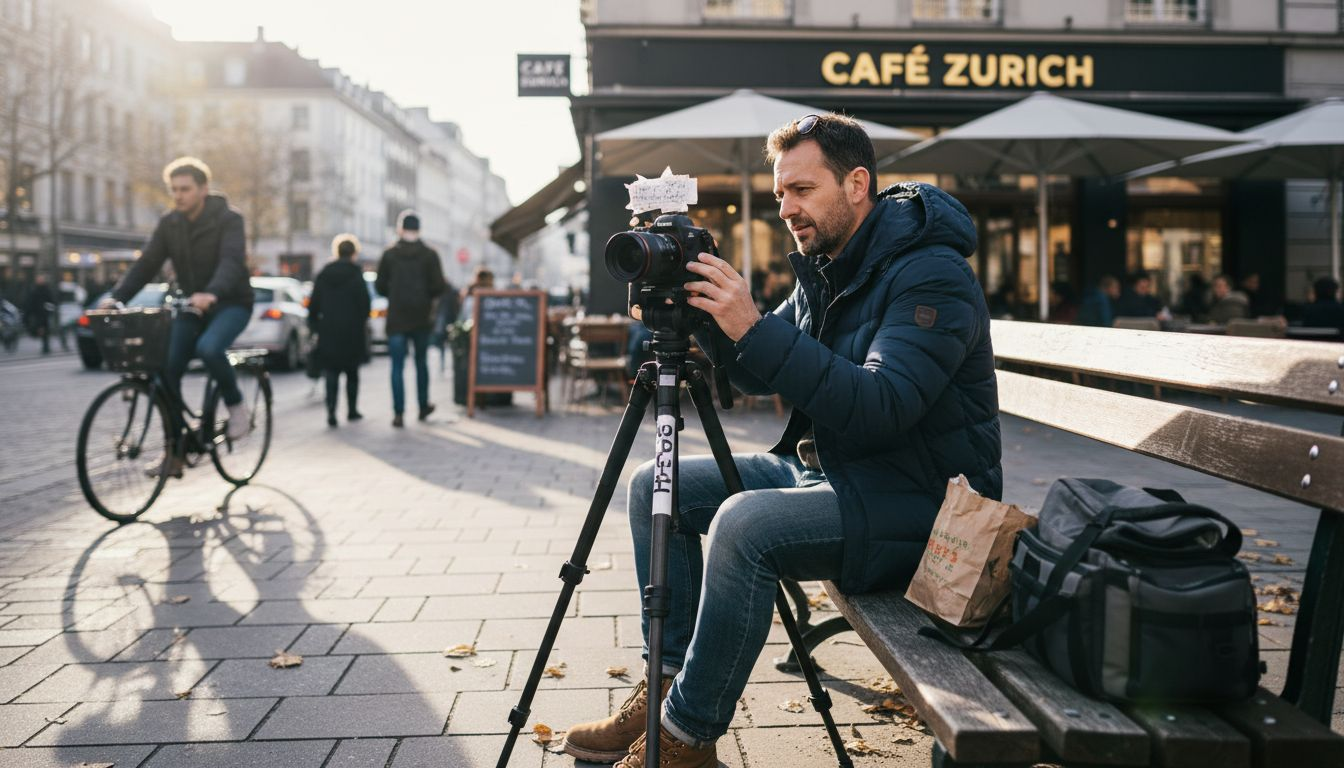
During the production phase, the actual filming occurs. Professional videographers capture high-quality footage according to the predetermined script and creative vision. This stage requires precise coordination, technical expertise, and creative problem solving to ensure every shot meets the project’s strategic goals.
The final post-production stage involves transforming raw footage into a polished, impactful video. Skilled editors integrate sophisticated techniques like color grading, sound design, graphics, and transitions to create a cohesive narrative that resonates with the intended audience. This phase is where technical skill and creative vision merge to produce a compelling final product that effectively communicates the brand’s message.
Pro tip: Invest significant time in pre-production planning to minimize unexpected challenges and ensure a smooth, efficient video production process.
Legal and Compliance Requirements in Switzerland
Commercial video production in Switzerland demands meticulous attention to legal frameworks that protect individual privacy, intellectual property, and corporate communication standards. Brand connection through video requires navigating a complex landscape of regulatory requirements specific to Swiss media production.
Key legal considerations for Swiss commercial video production include:
Personal Rights Protection: Strict consent requirements for featuring individuals in commercial content
Data Privacy Regulations: Compliance with Swiss Federal Data Protection Act (FADP)
Copyright Management: Obtaining appropriate licenses for music, imagery, and talent usage
Intellectual Property Guidelines: Ensuring original content and respecting third-party creative rights
Media Broadcasting Standards: Adhering to Swiss Radio and Television regulations
Swiss legal frameworks are particularly rigorous about individual privacy and image rights. Businesses must secure explicit written consent from any person appearing in commercial video content, including employees, actors, and incidental subjects. This requirement extends beyond simple model releases, demanding comprehensive documentation that outlines the specific intended use of recorded footage.
Additionally, Swiss companies must carefully manage intellectual property considerations. This includes verifying ownership of all creative elements, securing appropriate music licensing, and ensuring that video content does not inadvertently infringe on existing copyrights. Professional video production teams must conduct thorough due diligence to maintain legal compliance and protect their clients from potential legal challenges.
Pro tip: Always consult with a legal professional specializing in media law to develop comprehensive release and licensing strategies for your commercial video productions.
Cost Factors and Budget Planning
Commercial video production in Switzerland requires strategic financial planning, with budgets varying significantly based on project complexity and production quality. Why video boosts engagement directly correlates with the investment businesses make in professional audiovisual content.
Key cost factors influencing commercial video production budgets include:
Talent and Crew Costs: Professional videographers, actors, directors, and support staff
Equipment Expenses: High-end cameras, lighting, sound recording, and drone technology
Location Fees: Studio rentals, outdoor shooting permits, and location scouting
Post-Production Expenses: Editing, color grading, sound design, and graphic integration
Licensing and Legal Costs: Music rights, talent releases, and copyright clearances
Swiss businesses typically encounter budget ranges from 5,000 to 50,000 Swiss francs depending on project scope. Smaller corporate videos might require 5,000-10,000 francs, while complex brand storytelling or high-end commercial productions can escalate to 30,000-50,000 francs. Factors like video length, production complexity, specialized equipment needs, and talent requirements dramatically impact overall pricing.
Successful budget planning demands transparent communication with video production teams. Businesses should request detailed project proposals that break down expenses, outline potential additional costs, and provide clear expectations about deliverables. Flexibility and comprehensive understanding of production requirements help Swiss companies make informed investment decisions that maximize their video marketing potential.
Pro tip: Request itemized quotes from multiple video production providers and negotiate package deals that align with your specific communication objectives.
Common Pitfalls and How to Avoid Them
Commercial video production for Swiss brands demands strategic awareness to prevent costly mistakes that can undermine communication effectiveness. Brand connection through video requires understanding potential challenges and implementing proactive mitigation strategies.
Common pitfalls in commercial video production include:
Inadequate Pre-Production Planning: Rushing into filming without clear objectives
Poor Scriptwriting: Lack of compelling narrative structure
Technical Quality Compromises: Using substandard equipment or inexperienced crews
Misaligned Messaging: Creating content that doesn’t reflect brand identity
Budget Mismanagement: Unexpected costs and scope creep
Many Swiss businesses inadvertently compromise their video projects by neglecting critical preparatory steps. Insufficient audience research, unclear communication goals, and unrealistic expectations can derail even well-intentioned video production efforts. Successful projects require comprehensive strategic planning that aligns creative vision with measurable business objectives, ensuring every visual element contributes to the intended communication outcome.
Mitigating risks involves implementing robust pre-production processes, maintaining clear communication with production teams, and establishing precise project parameters. Companies should develop detailed creative briefs, conduct thorough talent and equipment assessments, and create contingency plans that address potential production challenges. Regular check-ins, milestone reviews, and flexible adaptation strategies help maintain project integrity and minimize unexpected complications.
Pro tip: Develop a comprehensive creative brief that explicitly outlines project objectives, target audience, key messaging, and technical specifications before beginning any video production.
Elevate Your Swiss Brand with Expert Commercial Video Production
Creating commercial videos that truly connect with your audience demands more than just filming. The challenges highlighted in “Commercial Video Production: Boosting Swiss Brand Impact” show the importance of meticulous pre-production planning, strong storytelling, and legal compliance to protect your brand. Whether you aim to boost credibility with testimonials, showcase products effectively, or engage through corporate storytelling, avoiding common pitfalls means your message will resonate and drive results.
At Tulip Films, we understand these critical factors and specialize in delivering personalized audiovisual solutions crafted to your unique business goals. Our professional team combines creative vision with Swiss precision to ensure your commercial videos capture your brand identity while navigating all legal considerations smoothly. From strategic concept development to polished final edits, we prioritize quality, efficiency, and audience engagement to maximize your impact.
Discover how our expertise can transform your commercial video production journey and connect your brand with the right audience today.
Boost your brand’s presence with professional video content from Tulip Films
Start crafting videos that elevate your story and captivate your audience. Visit Tulip Films now to book your free consultation and take the first step towards outstanding commercial video production tailored specifically for Swiss businesses.
Frequently Asked Questions
What are the main stages of commercial video production?
The main stages of commercial video production are pre-production, production, and post-production. Pre-production involves planning and strategy, production focuses on filming, and post-production encompasses editing and finalizing the video.
How can businesses ensure that their video content aligns with their brand objectives?
Businesses can ensure alignment by investing time in pre-production planning, which includes defining project objectives, identifying target audiences, and developing clear messaging to guide the creative process.
What types of commercial video content are commonly used?
Common types of commercial video content include brand story videos, product demonstration videos, testimonial videos, corporate training videos, and event recap videos, each serving distinct purposes within a marketing strategy.
What are some legal considerations in commercial video production?
Key legal considerations include obtaining consent from individuals appearing in the video, adhering to data privacy regulations, managing copyright and licensing for music and imagery, and complying with media broadcasting standards.
Recommended
