Event Video Production Guide for Swiss Businesses

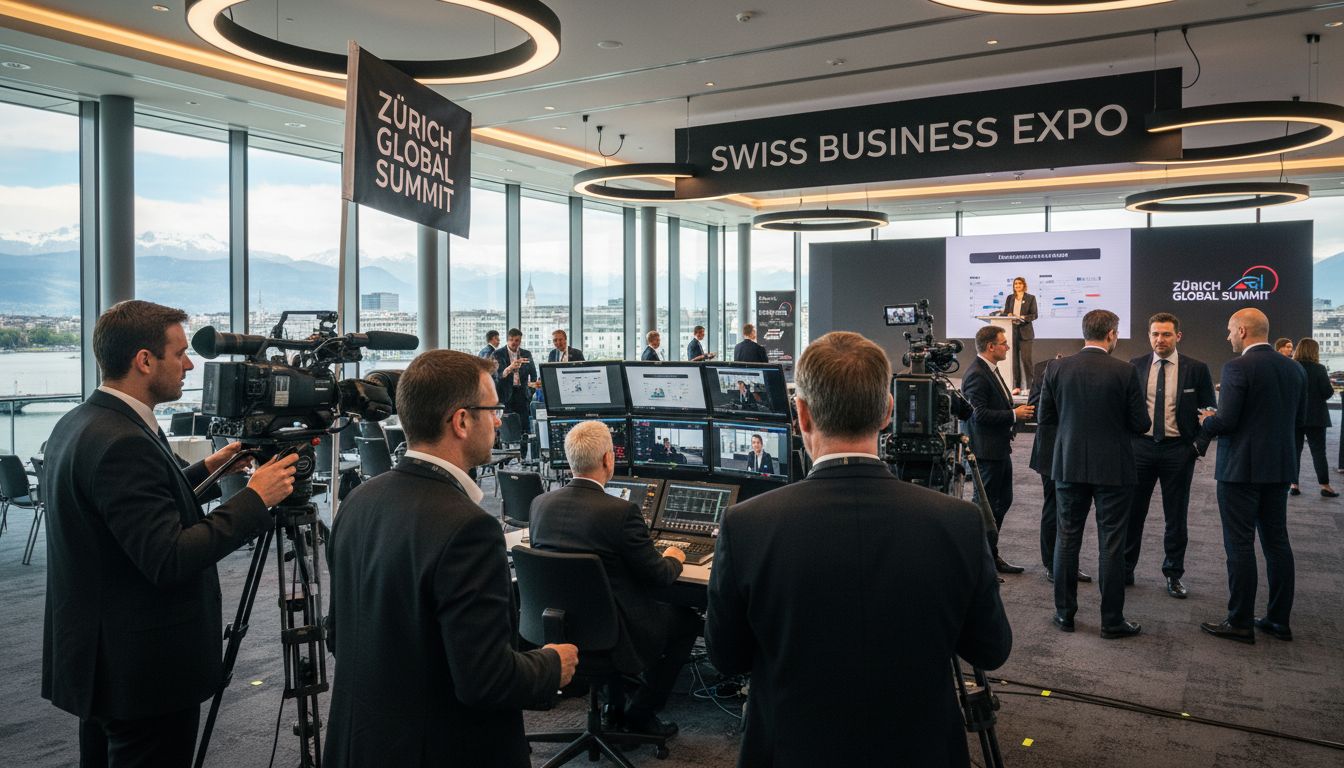
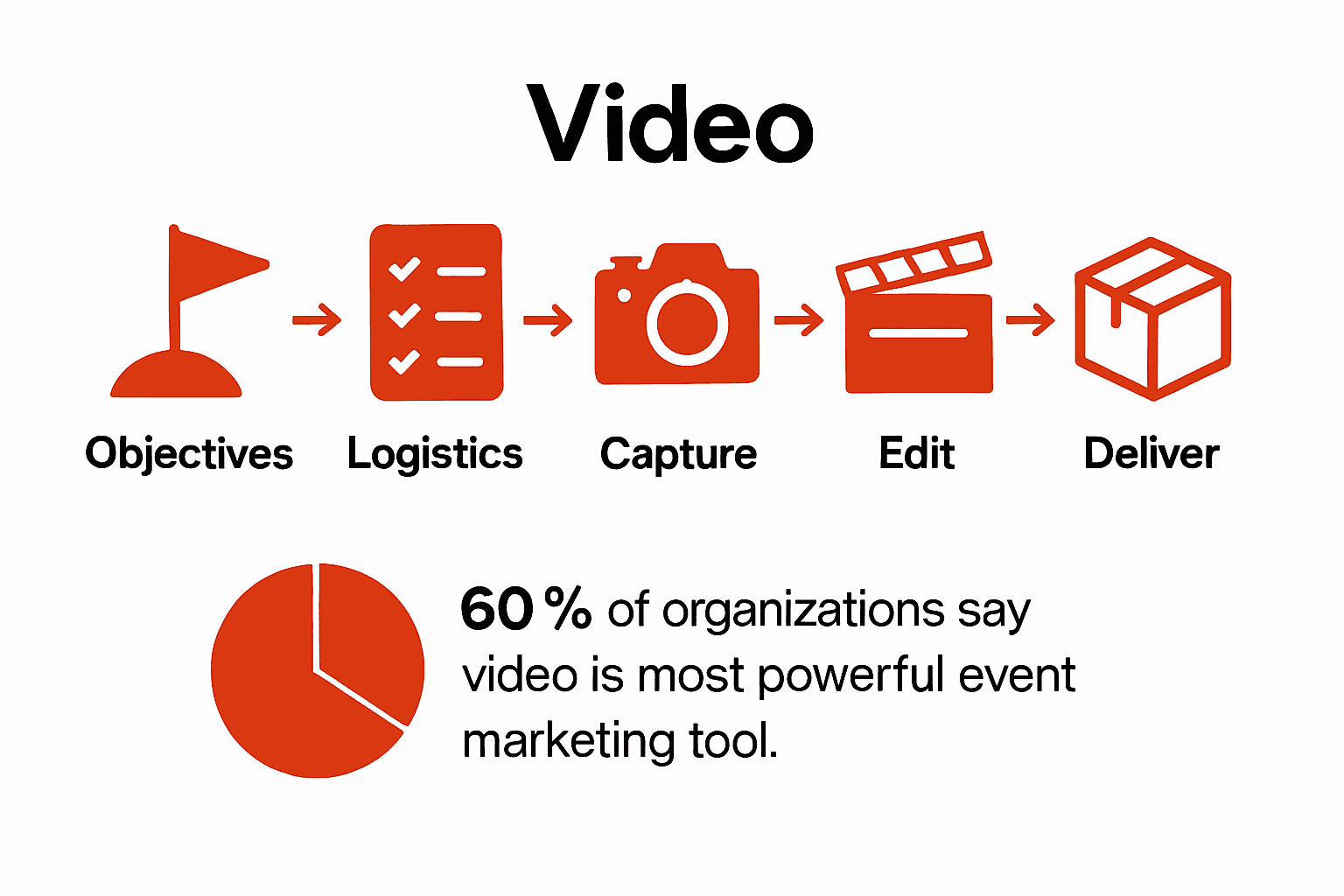
Over 60 percent of organizations say video is their most powerful event marketing tool. Planning an event video that truly stands out means more than just pressing record. The right approach sets the tone for everything from capturing special moments to impressing your audience. If you want results that look polished and feel professional, it all starts with a clear strategy and smart planning every step of the way.
Table of Contents
Quick Summary
Key Point | Explanation |
1. Clearly Define Objectives | Establish specific goals for your event video to determine the best production approach. |
2. Plan Equipment and Logistics | Create an equipment checklist and logistics plan tailored to the event environment for seamless execution. |
3. Capture with Professional Techniques | Use varied camera angles and maintain smooth movements to ensure high-quality event documentation. |
4. Edit for Narrative and Quality | Organize footage effectively and focus on sound design to create a compelling and engaging final video. |
5. Conduct Thorough Reviews | Meticulously review technical aspects and ensure client satisfaction before delivering the final product. |
Step 1: Define event objectives and video requirements
Successful event video production starts with crystal clear objectives and well-defined video requirements. According to research from arxiv.org, establishing a structured approach is crucial for creating impactful event videos that meet your specific goals.
Begin by asking yourself key strategic questions about your event. What message do you want to communicate? Who is your target audience? Are you looking to generate excitement, document proceedings, create a marketing asset, or provide a recap for participants? Each objective will significantly influence your video production approach. For instance, a conference highlight reel will look dramatically different from a comprehensive training event documentation.
To create precise video requirements, break down your objectives into specific parameters. Consider technical specifications like desired video length, preferred shooting style, key moments to capture, and the final distribution channels. Understanding the Role of Video in Event Marketing can provide additional insights into tailoring your video strategy. Pro tip: Always discuss these requirements with your video production team early to ensure alignment and prevent potential misunderstandings.
The next step will involve selecting the right video production team who can translate your objectives into a compelling visual narrative.
Step 2: Plan production logistics and assemble equipment
Preparing for event video production requires strategic planning and precise equipment assembly. According to Vision Collective, meticulous technical engineering and logistics are fundamental to ensuring seamless event execution.
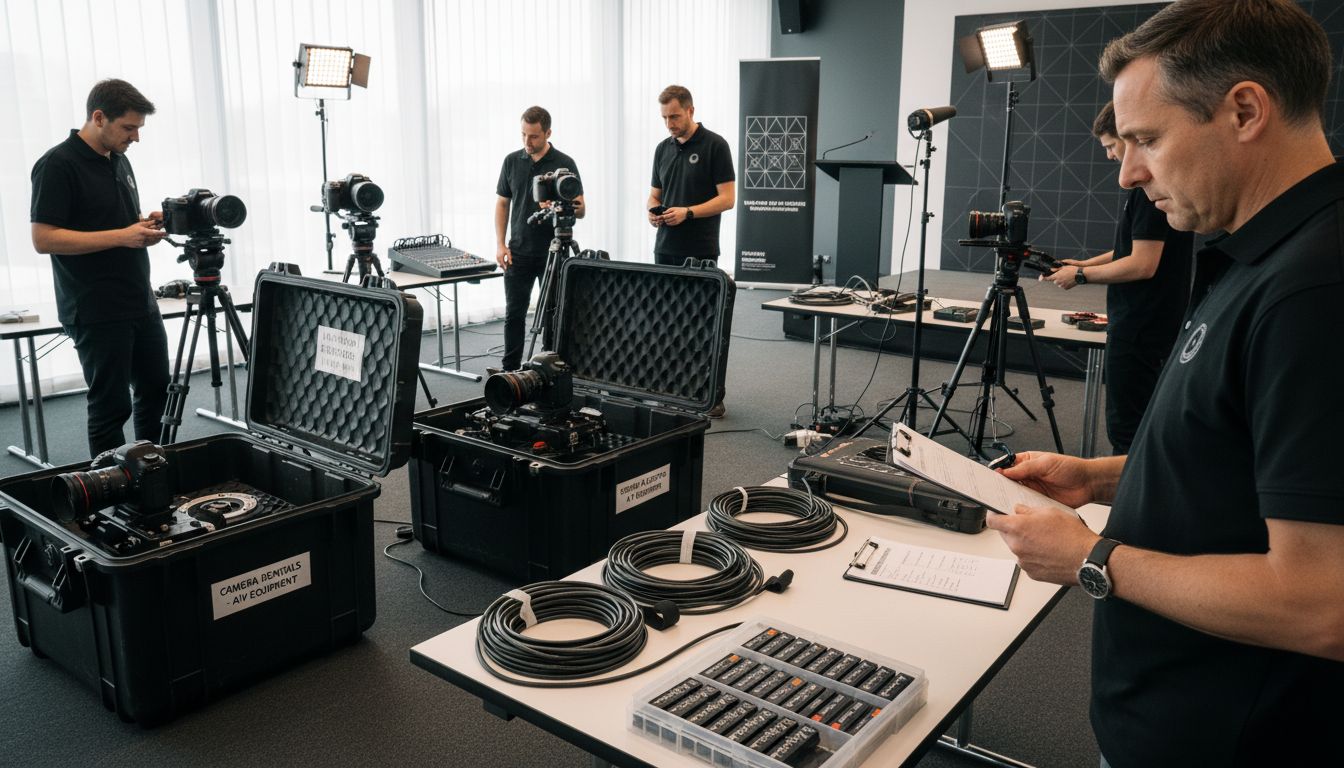
Start by creating a comprehensive equipment checklist tailored to your specific event requirements. This should include primary video equipment like cameras, lenses, tripods, and stabilizers, as well as critical audio gear such as microphones, sound recorders, and backup audio solutions. Consider the event environment carefully select equipment that matches the venue characteristics. Professional cameras with excellent low light performance work best for indoor conferences, while more rugged equipment might be necessary for outdoor events.
Beyond technical gear, plan for logistical support and redundancy. Pack extra batteries, multiple memory cards, portable chargers, and backup recording devices.
How to Film Corporate Events for Impactful Results recommends always having contingency equipment to prevent potential recording disruptions. Pro tip: Test all equipment thoroughly before the event and create a detailed equipment transportation and setup timeline to minimize potential complications.
With your equipment meticulously planned and assembled, you are now ready to move forward with pre event technical rehearsals and final preparation stages.
Step 3: Capture footage with professional techniques
Capturing exceptional event video requires mastering professional filming techniques that elevate your visual storytelling. According to research from arxiv.org, advanced multi-view video capture techniques are crucial for creating high-quality event documentation.
Focus on developing a strategic approach to filming. Position your cameras to capture multiple perspectives strategically. This means having wide establishing shots that provide context, medium shots that capture interactions and emotions, and close-up shots that highlight key details and moments. Pay special attention to lighting and composition. Use the rule of thirds to frame shots dynamically, ensuring your subjects are positioned in visually engaging ways. For indoor events, understand your venue’s lighting conditions and adjust camera settings accordingly. How to Avoid Mistakes in Event Videography Shoots recommends using manual camera settings to maintain consistent exposure and color balance.
Maintain smooth and professional camera movements. Utilize tripods for stable wide shots, and consider using gimbals or stabilizers for dynamic tracking shots that add energy to your footage. Anticipate key moments and be prepared to capture them seamlessly. Always record slightly more footage than you think you will need, giving yourself flexibility during the editing process. Pro tip: Communicate clearly with your video team to ensure everyone understands the shooting strategy and key moments to capture.
With your footage professionally captured, you are now ready to move into the critical post production editing phase.
Step 4: Edit and enhance event video content
Transforming raw event footage into a compelling visual narrative requires strategic editing and thoughtful enhancement. According to research from arxiv.org, advanced multi-view highlight detection techniques are crucial for creating professional event video content.
Begin your editing process by reviewing all captured footage and identifying the most impactful moments. Create a rough cut that tells a coherent story, focusing on maintaining a natural flow and emotional progression. Pay close attention to pacing paying special attention to rhythm and transitions between scenes. Understanding Post-Production Workflow Explained Clearly suggests organizing your footage chronologically before starting the creative editing process. Color grading plays a critical role in creating a professional look. Adjust color balance, contrast, and saturation to create a consistent and visually appealing aesthetic that matches the event atmosphere.
Sound design is equally important in elevating your video quality. Clean up audio tracks by removing background noise, balancing sound levels, and potentially adding subtle background music that complements the event mood. Pro tip: Use professional audio editing tools to ensure crystal clear sound quality. Always create multiple versions of your edit, allowing for client feedback and potential revisions. This approach provides flexibility and demonstrates your commitment to delivering exceptional visual content.
With your video edited and enhanced, you are now prepared to finalize and prepare for client presentation and delivery.
Step 5: Review and deliver the final event video
The final stage of event video production involves meticulous review and professional delivery that meets client expectations. According to Vision Collective, ensuring all technical aspects meet desired standards is crucial for effective event video communication.
Conduct a comprehensive review process that goes beyond simple visual inspection. Watch the entire video multiple times focusing on different technical and storytelling elements. Check for color consistency, audio clarity, smooth transitions, and overall narrative flow. Corporate Event Coverage: Complete Guide for Swiss Businesses recommends creating a systematic review checklist that includes technical quality verification and emotional impact assessment. Pay special attention to visual and audio synchronization, ensuring no awkward jumps or sound inconsistencies disrupt the viewer experience.
Prepare multiple video delivery formats to accommodate different client needs and platforms. Export high resolution versions for professional presentations, compressed versions for web sharing, and potentially smaller mobile optimized files. Pro tip: Always include a professional color graded preview file for initial client review before sending final versions. Confirm file transfer methods with your client preferred method whether through secure cloud storage, direct download links, or physical media. Maintain clear communication throughout the delivery process, demonstrating your commitment to professional service and client satisfaction.
With the final video delivered successfully you have completed a comprehensive event video production journey.
Elevate Your Swiss Event Videos with Expert Guidance and Tailored Production
Planning flawless event video production involves overcoming challenges like defining clear objectives, arranging precise logistics, and capturing moments with professional techniques. This detailed guide highlights how every step from setting your goals to final delivery demands attention to quality and alignment with your brand vision. If you have ever faced uncertainty about equipment needs or worry about conveying your message powerfully to your audience, you are not alone. Many Swiss businesses strive for engaging visuals that truly resonate and offer lasting impact.
Tulip Films specializes in turning these exact challenges into creative opportunities. Our personalized approach ensures your event videos reflect the essence of your brand and communicate with clarity. From strategic planning to seamless editing and delivery, we handle all aspects to free you from technical worries and elevate your message.
Looking to transform your next event video into a compelling story?
Explore our comprehensive expertise and see how we customize each project by visiting Tulip Films. Start building your vision today with a free consultation designed to match your objectives perfectly. Discover how easy it can be to capture every meaningful moment with professional event video production that speaks directly to your audience. Don’t wait until the event is over; let’s create visuals that will engage and inspire now.
Frequently Asked Questions
What are the key objectives for event video production?
Defining clear objectives is essential for successful event video production. Identify what you want to communicate, your target audience, and the primary purpose of the video, such as generating excitement or documenting proceedings.
How should I plan the logistics for filming an event video?
Create a detailed equipment checklist that includes cameras, audio gear, and backup solutions specific to your event environment. Ensure you plan for redundancy to avoid technical issues, like bringing extra memory cards and batteries.
What filming techniques are critical for capturing my event?
Utilize professional filming techniques by positioning cameras for multiple perspectives and maintaining smooth camera movements. Ensure you capture a mix of wide, medium, and close-up shots to enhance storytelling.
How do I approach the editing process for my event video?
Start by reviewing all footage to select impactful moments, then create a rough cut that tells a coherent story. Focus on pacing, transitions, and color grading to enhance the final product, striving to produce multiple edited versions for client feedback.
What are best practices for delivering the final event video?
Conduct a thorough review of the video to ensure technical quality before delivery. Prepare multiple formats suited to various platforms and confirm the preferred method for transferring files to the client to ensure a smooth handover.
Recommended
