How to Optimize Business Videos for Maximum Engagement


Over 80 percent of American businesses report measurable sales growth when they invest in strategic video marketing. For Swiss tech startups, competing for attention means mastering engagement—not just with slick visuals but through meticulously crafted business video content. If you want to transform brand promotion into real conversions, understanding what drives viewer action will shape every creative and strategic decision in your next campaign.
Table of Contents
Quick Summary
Key Message | Explanation |
1. Define clear objectives and audience | Clearly outline your video’s goals and audience to ensure strategic direction and impactful content. |
2. Choose suitable video formats and platforms | Select video types and hosting platforms that match your audience’s preferences for maximum engagement. |
3. Craft engaging scripts and storyboards | Create compelling narratives and visual plans to effectively convey your message and maintain viewer interest. |
4. Integrate branding and calls to action | Seamlessly include brand elements and clear CTAs to turn viewer engagement into actionable business opportunities. |
5. Measure performance and refine strategies | Analyze video metrics to continually improve your content and adapt to audience preferences for better effectiveness. |
Step 1: Define business objectives and target audience
Successful business video production starts with crystal clear objectives and a precisely defined target audience. This foundational step determines your video’s strategic direction and ensures maximum impact for your marketing efforts.
Begin by examining your core business goals. Are you aiming to increase customer education about your products, enhance brand positioning, or drive specific engagement metrics? Each objective requires a distinct video approach. For Swiss tech startups, this might mean creating an explainer video that highlights product innovation, a demonstration video showcasing technical capabilities, or a brand story that communicates company values.
To pinpoint your target audience, leverage market segmentation strategies. Break down your potential viewers across demographic, geographic, psychographic, and behavioral dimensions. Precise audience identification allows you to craft messaging that resonates deeply. For instance, a B2B technology video targeting IT decision makers will look dramatically different from one aimed at startup founders or enterprise executives.
Analyze your existing customer data, conduct market research, and create detailed audience personas. Consider factors like age, professional role, technological comfort level, pain points, and preferred communication channels. The more granular your understanding, the more targeted and effective your video content becomes.
Pro tip: Create a one-page brief that explicitly outlines your video’s primary objective and ideal viewer profile to maintain strategic focus throughout production.
Step 2: Select optimal video formats and platforms
Selecting the right video format and hosting platform is crucial for maximizing your marketing impact. This step transforms your strategic objectives into tangible visual content that resonates with your target audience.
Your video format should align precisely with your core business goals. Different video styles serve unique purposes, ranging from short explainer videos that introduce complex concepts to in depth product demonstrations that showcase technical capabilities. For Swiss tech startups, this might mean creating crisp animated explainers for product features, professional testimonial videos highlighting client success, or live stream webinars that position your team as industry thought leaders.

Platform selection requires strategic thinking. Consider where your target audience spends their professional time. B2B technology audiences might engage more on LinkedIn, while product tutorials could perform exceptionally well on YouTube. Video hosting choices depend on audience preferences and consumption habits. Analyze metrics like average watch time, engagement rates, and platform demographics to make informed decisions.
Remember that each platform has unique strengths. YouTube offers broad reach and SEO benefits, LinkedIn provides professional networking opportunities, and company websites allow for more controlled brand storytelling. Match your content type with the most appropriate platform to maximize viewer interaction and conversion potential.
Here’s a comparison of popular business video platforms and their unique strengths:
Platform | Audience Focus | Primary Advantage | Typical Use Case |
YouTube | Broad and global | SEO visibility, reach | Product demos, tutorials |
B2B, professionals | Professional networking | Thought leadership, webinars | |
Company Site | Existing & prospective clients | Brand control, data capture | Brand storytelling, lead generation |
Pro tip: Create platform specific versions of your video by adjusting length and style to match each platform’s typical user behavior and technical requirements.
Step 3: Craft compelling scripts and storyboards
Crafting an exceptional video script and storyboard is the creative blueprint that transforms your strategic vision into powerful visual storytelling. This critical step determines how effectively you will communicate your message and engage your target audience.
Developing communication strategies requires a methodical approach that begins with crystal clear objectives and deep audience understanding. For Swiss tech startups, this means creating scripts that speak directly to technical decision makers with precise language and compelling narratives. Start by outlining your core message and identifying the specific emotional or intellectual response you want to evoke. Will you aim to educate, inspire, or demonstrate technical innovation? Each narrative choice will shape your script’s tone and structure.
Storyboarding serves as your visual roadmap, breaking down complex ideas into digestible scenes that flow logically and maintain viewer interest. Successful video storytelling hinges on structuring content that captures attention from the first frame. Sketch out each key scene, noting camera angles, transitions, visual metaphors, and critical dialogue points. Consider how each scene builds toward your ultimate communication goal, ensuring that every moment serves your broader narrative purpose.
Remember that great scripts balance information with emotional resonance. Technical content does not mean dry delivery. Use storytelling techniques like client testimonials, problem solution frameworks, or innovative visual metaphors to make complex information accessible and engaging. Your goal is to create a script that feels both professionally precise and genuinely human.
Pro tip: Read your script aloud and time each section to ensure natural pacing and maintain viewer engagement throughout the video.
Step 4: Integrate branding and clear calls to action
Designing a business video that powerfully communicates your brand identity while guiding viewers toward meaningful action requires strategic finesse. This critical step transforms your video from passive content into an active marketing tool.
Aligning video content with marketing objectives means weaving your brand’s visual language seamlessly into every frame. For Swiss tech startups, this involves incorporating consistent color palettes, typography, and logo placement that reflect your company’s professional identity. Your branding elements should feel natural and integrated not intrusive or heavy handed. Think of these visual cues as subtle reminders of your company’s unique personality and value proposition.
Calls to action represent the pivotal moment where viewer engagement transforms into potential business opportunity. Strategic brand integration connects emotional resonance with concrete next steps. Craft your CTA to feel like a natural progression of the narrative rather than an abrupt interruption. Whether you want viewers to schedule a consultation, download a whitepaper, or explore your product lineup, the language should be clear, compelling, and aligned with your audience’s professional interests.
Remember that effective CTAs are specific, urgent, and value driven. Instead of generic phrases like click here, use language that highlights the specific benefit. For technical audiences, this might mean emphasizing learning opportunities, innovative insights, or competitive advantages that await them.
Pro tip: Position your call to action when viewer engagement is at its peak and explicitly state the tangible value they will receive by taking the next step.
Step 5: Apply technical optimizations for quality
Technical optimization is the critical backend process that transforms a good video into an exceptional professional communication tool. Your goal is to create a viewing experience that feels seamless, professional, and effortlessly engaging.
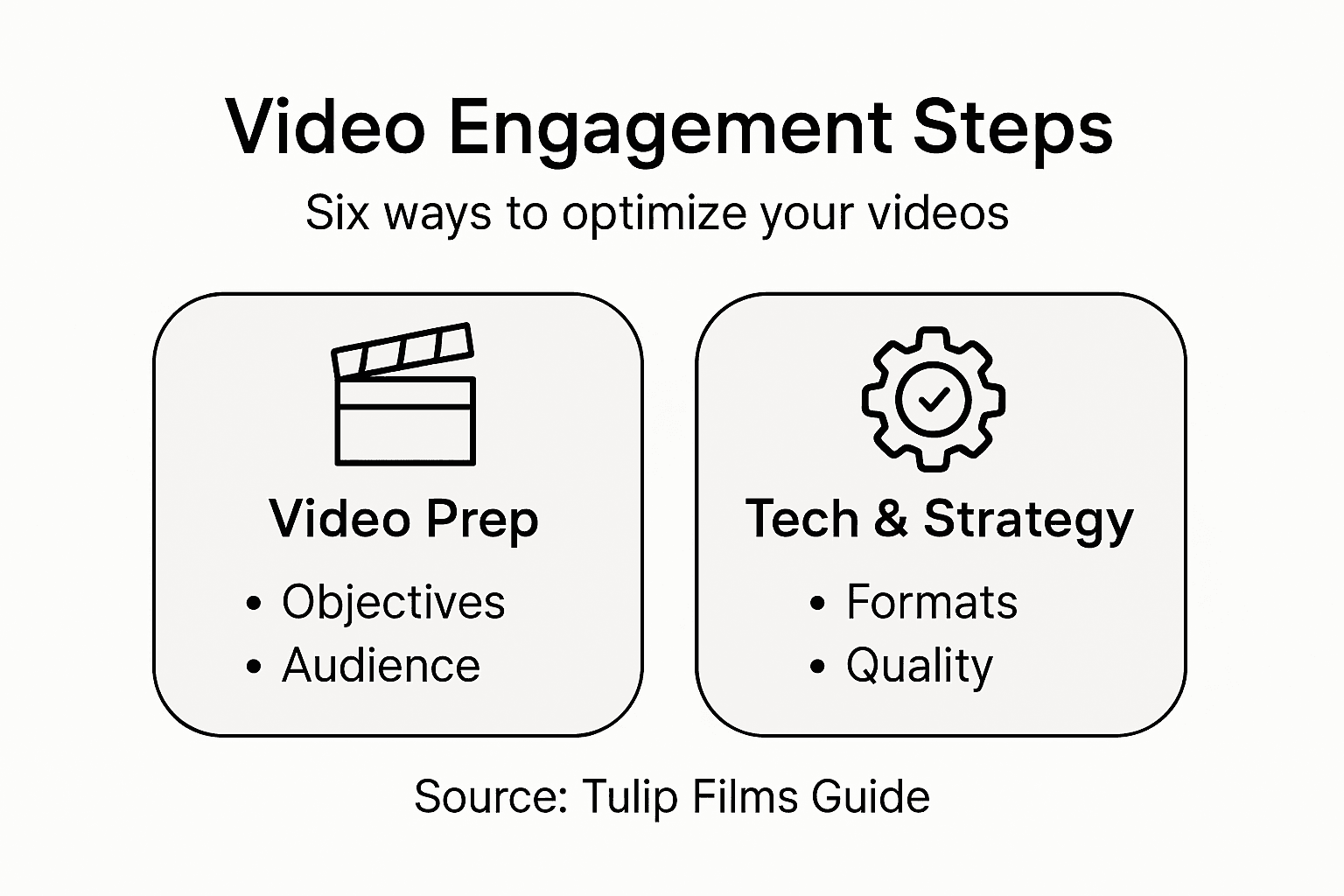
Technical video production standards demand meticulous attention to multiple quality parameters. For Swiss tech startups, this means focusing on resolution, lighting, audio clarity, and precise editing. Aim for high definition video with a minimum of 1080p resolution, ensuring crisp visuals that showcase your technical expertise. Professional lighting setups can dramatically elevate your production value, using three point lighting techniques to create depth and eliminate unflattering shadows.
Sound quality represents another crucial optimization area. Invest in professional microphones that capture clear, articulate audio without background interference. For technical content, pristine sound ensures your complex messages are communicated without distraction. Communication quality hinges on technical execution, so consider using lavalier microphones for interviews or voiceovers, and invest in basic audio editing to remove unwanted noise.
Device and platform compatibility is your final technical frontier. Optimize video files for multiple screen sizes and internet speeds, creating versions that look sharp on everything from large conference room displays to smartphone screens. Compress your videos intelligently to balance quality and loading speed, ensuring your content reaches viewers smoothly regardless of their technical setup.
Pro tip: Always create multiple video versions at different resolutions and compress each separately to guarantee optimal playback across diverse viewing environments.
Step 6: Measure performance and refine strategies
Measuring video performance transforms raw data into strategic insights that drive continuous improvement. This final step turns your video content from a one-time project into an evolving marketing asset that grows more effective with each iteration.
Video content performance metrics go far beyond simple view counts. For Swiss tech startups, this means diving deep into analytics that reveal how your audience truly interacts with your content. Track engagement rates, watching duration, click-through rates, and conversion metrics. Pay special attention to moments where viewers drop off or lose interest these are your critical improvement signals. Are technical explanations too complex? Is the pacing inconsistent? Your data will reveal these nuanced insights.
Performance measurement strategies require a systematic approach. Use analytics platforms that provide granular insights across different platforms. Compare performance across YouTube, LinkedIn, and your company website. Look for patterns in viewer behavior demographic variations, device preferences, and engagement trends. This data becomes your roadmap for future video content strategy understanding not just how many people watched, but how deeply they connected with your message.
Below is a summary of key video performance metrics and the insights they provide:
Metric | What It Measures | Business Insight Example |
Engagement Rate | Viewer interaction | Content relevance and appeal |
Watch Duration | Average view time | Effectiveness of narrative pacing |
Click-Through Rate | Action taken post-view | CTA clarity and persuasive power |
Conversion Rate | Desired outcome achieved | Overall video marketing effectiveness |
Refinement is an ongoing process. Treat each video as a learning opportunity. Create A/B test versions with slight variations in scripting, visual style, or presentation approach. Track which versions perform best and incrementally improve your formula. For technical content, this might mean testing different levels of technical depth, presentation styles, or visual metaphors that explain complex concepts.
Pro tip: Schedule quarterly video performance reviews where you critically analyze metrics and deliberately plan strategic adjustments based on concrete data insights.
Elevate Your Business Videos with Expert Production That Drives Engagement
The challenge of optimizing business videos for maximum engagement requires a clear strategy that combines precise objectives, compelling storytelling, and flawless technical execution. Many companies struggle with crafting scripts that resonate, selecting platforms where their audience truly engages, and integrating branding with effective calls to action. You need a partner who understands these pain points and can transform your concepts into powerful audiovisual experiences that capture attention and inspire action. Tulip Films specializes in delivering high-quality, personalized video production tailored to Swiss businesses and organizations. With a professional approach that prioritizes your unique goals and audience insights, we help you create videos that are visually striking, technically flawless, and strategically crafted for impact. Discover how our expertise complements your content strategy for stronger viewer connection and measurable results.
Start your journey to optimized business videos today by exploring our portfolio and services at Tulip Films. Whether you require stunning corporate videos, engaging promotional ads, or expertly crafted event coverage, we provide efficient delivery without sacrificing quality.
Looking for a partner who can bring your vision to life with clarity and precision? Plan your free consultation with Tulip Films and gain access to a customized solution that speaks directly to your audience. Ready to turn insights into action and boost your video engagement now?
Contact us at Tulip Films to start creating videos that truly engage your target market and deliver measurable success. Don’t wait to elevate your business communication—let us help you make every frame count.
Frequently Asked Questions
How can I define clear objectives for my business videos?
Start by examining your core business goals, such as increasing customer education or enhancing brand positioning. Create a one-page brief that outlines your video’s primary objective to keep your production focused.
What video formats are most effective for maximizing engagement?
Select video formats that align with your objectives, like short explainer videos for introducing concepts or in-depth demonstrations for showcasing products. Match your chosen format to the interests and preferences of your target audience to improve engagement.
How do I create compelling scripts and storyboards for my videos?
Focus on crafting scripts that convey your core message while ensuring they resonate with your audience’s emotions and intellect. Use storyboards as a roadmap to visually plan each scene, helping you maintain viewer interest and logical flow throughout the video.
What role does branding and calls to action play in video engagement?
Integrate your brand’s visual elements naturally throughout the video and create clear calls to action that guide viewers toward specific next steps. Tailor your CTA to highlight the value your audience will receive to increase the likelihood of engagement.
How can I measure the performance of my business videos effectively?
Track metrics like engagement rates, watch duration, and conversion rates to gain insights into your video’s effectiveness. Analyze your data regularly, ideally every quarter, to identify areas for improvement and refine your video strategies accordingly.
Recommended
