How to Showcase NGO Projects Video for Maximum Impact
- Pieter Nijssen

- Dec 30, 2025
- 9 min read
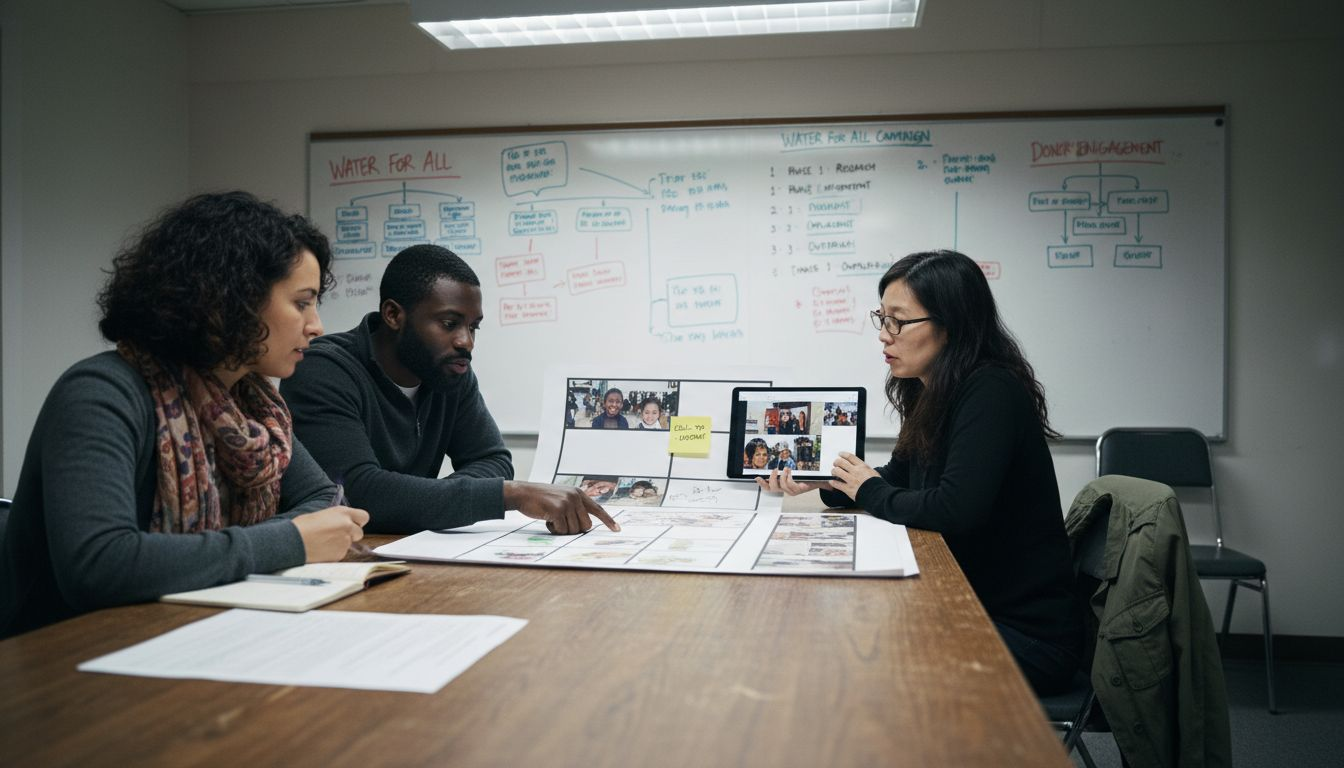
Most american NGO project managers underestimate the power of video storytelling when seeking greater audience engagement and new funding. In Geneva, where competition for donor attention is constant, a single well crafted project video can increase campaign contributions by over 40 percent compared to text based outreach. Mastering every stage from defining objectives to sharing compelling footage helps your projects stand out and connect authentically, creating more meaningful relationships with supporters and funders.
Table of Contents
Quick Summary
Key Point | Explanation |
1. Define Clear Objectives | Establish a broad project goal and detailed SMART objectives to guide the video narrative effectively. |
2. Engage Stakeholders for Messages | Involve project stakeholders to create authentic key messages that reflect community perspectives and emotional impact. |
3. Organize Visual Storytelling | Gather diverse visual resources and plan strategic storytelling to highlight the human impact of the project. |
4. Capture Authentic Footage | Develop a shooting plan focused on real interactions and seek genuine moments to enhance narrative authenticity. |
5. Evaluate Video Performance | Measure video effectiveness using clear performance indicators and feedback to refine future storytelling strategies. |
Step 1: Define project objectives and key messages
Crafting a compelling NGO project video starts with crystal clear objectives and powerful key messages. Your video needs a strategic roadmap that transforms complex project details into an engaging narrative that resonates with your target audience.
Begin by defining one overarching project goal that connects directly to your organization’s mission. This goal should be broad yet specific, addressing a critical problem or need. Next, break down this goal into SMART objectives that provide a detailed action plan. Each objective must be Specific, Measurable, Achievable, Relevant, and Time-bound. For example, instead of saying “improve community health,” specify “reduce childhood malnutrition by 25% in rural Guatemala within 18 months through targeted nutrition programs.”
When developing your key messages, involve your project stakeholders to ensure authenticity. Participatory approach helps craft messages that genuinely reflect community perspectives. Consider what emotional and intellectual impact you want your video to have. Are you aiming to inspire action, showcase impact, or raise awareness? Your key messages should answer three core questions: What problem are we solving? How are we solving it? Why does this matter?
Pro Tip: Create a one-page messaging guide that distills your project’s objectives and key messages into concise, memorable statements to keep your video production focused and impactful.
Here’s how key project objectives compare to well-crafted key messages in effective NGO videos:
Aspect | Project Objective | Key Message |
Focus | Defines broad project goal | Distills impact for audience |
Audience | Internal team & stakeholders | Wider public & supporters |
Measurement | Quantifiable outcomes | Emotional and informational resonance |
Example | “Reduce malnutrition by 25%” | “Together, we’re changing lives in Guatemala” |
Step 2: Plan visual storytelling and gather resources
Now that you have defined your project objectives, it is time to map out a strategic visual storytelling approach that will transform your NGO’s message into a compelling narrative. Your goal is to create a video that not only communicates information but also connects emotionally with your audience.
Crafting an effective nonprofit video strategy requires carefully selecting stories that resonate with donors and stakeholders. Start by identifying the key narratives within your project that illustrate real human impact. This means moving beyond statistics and finding personal stories that demonstrate how your work changes lives. Consider interviewing project beneficiaries, local community leaders, or team members who can provide authentic perspectives. Equip your staff and volunteers with simple recording tools like smartphones to capture meaningful moments as they happen.
Resource gathering is a critical component of your visual storytelling plan. Collect a diverse range of materials including photographs, existing video footage, testimonials, and local context shots that help illustrate your project’s journey. Organize these resources systematically so they are easily accessible during video production. Pay attention to visual diversity making sure your collected resources represent different ages, genders, and community perspectives to create a truly inclusive narrative.
Pro Tip: Create a dedicated shared digital folder with clearly labeled subfolders for different types of resources to streamline your video production workflow and ensure no valuable content gets overlooked.
Step 3: Capture compelling video footage on location
With your visual storytelling plan in place, you are now ready to transform your strategic vision into actual video content that captures the heart of your NGO’s mission. This step is about capturing authentic moments that breathe life into your project narrative.
Empowering your team to capture meaningful stories requires careful preparation and an understanding of how to find impactful visuals in everyday moments. Before heading to your project location, develop a shooting plan that outlines key scenes, potential interview subjects, and the specific emotional and informational elements you want to capture. Prioritize genuine interactions over staged scenarios. Look for unscripted moments that reveal the true human experience of your project such as a community member working, children learning, or team members collaborating. Always obtain informed consent and ensure your subjects feel comfortable and respected during filming.
Technical preparation is equally important when capturing location footage. Bring multiple recording devices to ensure backup, use tripods for stable shots, and pack extra batteries and memory cards. Pay attention to lighting conditions and consider using simple reflectors or finding natural light sources that enhance your visual storytelling. Understanding camera setup and resource management can significantly improve your video capture quality. Aim to capture a mix of wide establishing shots that show context, medium shots that highlight interactions, and close ups that reveal emotional nuances.

Pro Tip: Always record a few minutes of ambient sound at each location to provide rich audio backdrop and editing flexibility during post production.
Step 4: Edit and brand the project video professionally
With your raw footage captured, you are now entering the critical phase of transforming your project story into a compelling visual narrative that will resonate with viewers and amplify your NGO’s mission. Professional editing and strategic branding will elevate your video from simple documentation to powerful storytelling.
Modern video editing techniques provide powerful tools for crafting narratives that capture audience attention and communicate complex messages effectively. Begin by organizing your footage chronologically and identifying the most powerful emotional and informative moments. Use color correction to create visual consistency, ensuring that each scene feels cohesive and professional. Carefully consider pacing pay attention to rhythm and flow that maintains viewer engagement. Remove unnecessary footage and focus on sequences that directly support your project’s key messages. Select transitions that feel smooth and natural rather than distracting or overly elaborate.
Professional video editing skills are essential for transforming raw footage into a coherent narrative that embodies your organization’s visual identity. Incorporate your NGO’s branding elements thoughtfully throughout the video. This might include using your organization’s color palette for graphics and text overlays, adding your logo strategically, and maintaining a consistent font style that reflects your brand personality. Consider adding subtle background music that enhances the emotional tone without overwhelming the spoken narrative. Include clear text graphics that highlight key statistics or quotes, making complex information digestible and memorable.
Pro Tip: Export multiple video versions at different lengths (30 seconds, 2 minutes, 5 minutes) to maximize flexibility for various communication platforms and audience attention spans.
Step 5: Publish and promote the video to target audiences
Your professionally edited video is now ready to make a meaningful impact. This final step transforms your carefully crafted visual story into a powerful communication tool that connects with your intended audience and amplifies your NGO’s mission.
Effective social media strategies are crucial for maximizing your video’s reach and engagement with target audiences. Begin by identifying the platforms where your target stakeholders are most active. This might include professional networks like LinkedIn for donor engagement, Facebook and Instagram for community storytelling, and YouTube for longer narrative videos. Customize your video’s presentation for each platform. Create platform specific cuts varying from short 30 second clips to full length versions. Write compelling accompanying text that provides context and calls viewers to action. Use relevant hashtags that connect your content to broader conversations about your project’s mission.
Develop a strategic distribution plan that goes beyond social media. Consider partnering with other nonprofit organizations, academic institutions, and media outlets that align with your mission. Email the video to your donor network, embed it on your website, and include links in newsletters. Track engagement metrics carefully to understand how different audiences interact with your content. Pay attention to view counts, shares, comments, and duration of video watch time. These insights will help you refine future video storytelling strategies and demonstrate the tangible impact of your communication efforts.
Pro Tip: Schedule your video releases during peak engagement times for each platform and create a content calendar that spaces out your video promotions to maintain consistent audience interest.
Here’s a summary of video publishing platforms and their main strategic benefits for NGOs:
Platform | Project Video Strength | Suggested Use |
Community engagement | Awareness and social sharing | |
Professional outreach | Donor and partner appeals | |
Visual storytelling | Rapid highlights and advocacy | |
YouTube | Long-form content | In-depth project narratives |
Step 6: Evaluate video performance and gather feedback
With your video distributed, the crucial work of understanding its impact begins. Measuring performance goes beyond simple view counts to provide meaningful insights that will guide future storytelling strategies for your NGO.
Monitoring and evaluation processes are essential for assessing how effectively your video communicates project objectives and engages target audiences. Start by defining clear performance indicators aligned with your original project goals. These might include viewer engagement rates, social media shares, donations triggered, or number of new supporters reached. Use built-in analytics tools on platforms like YouTube and Facebook to track views, watch duration, and audience demographics. Consider creating a simple survey for viewers to gather qualitative feedback about the video’s emotional impact and message clarity.
Implementing a structured evaluation framework helps NGOs systematically analyze video performance and make data driven improvements. Organize your performance data into comprehensive reports that show not just quantitative metrics but also narrative insights. Schedule a review meeting with your team to discuss what worked well and potential areas for enhancement in future video projects. Compare your video’s performance against initial benchmarks and be prepared to adapt your storytelling approach based on actual audience response. Remember that each video is an opportunity to learn and refine your communication strategy.

Pro Tip: Create a standardized feedback template that captures both quantitative metrics and qualitative insights to streamline your performance evaluation process across different video projects.
Elevate Your NGO Projects with Impactful Video Storytelling
The challenge of clearly defining objectives and capturing authentic stories to maximize impact is a familiar one for many NGOs. This article highlights the importance of crafting SMART objectives, engaging visual narratives, and professional branding to truly connect with your audience and inspire action. If you are seeking a tailored solution that transforms your project goals into compelling audiovisual stories with emotional power and strategic focus, expert video production is essential.
At Tulip Films, we specialize in creating high-quality videos that bring your NGO’s mission to life through a personalized approach. We understand the importance of strategic messaging, visual diversity, and professional editing discussed in the article. Whether you need support in planning your visual storytelling or capturing genuine footage on location, our Swiss-based team delivers rapid, bespoke solutions that amplify your project’s impact.
Ready to create videos that do more than just inform but truly engage and move your supporters?
Discover how our expertise can help you communicate your project’s powerful story with clarity and emotion. Visit Tulip Films now and plan your free consultation to start producing your NGO’s most effective video yet. See examples of our work and learn how we seamlessly integrate branding and storytelling to maximize outreach and inspire lasting connections.
Frequently Asked Questions
How can I define clear project objectives for my NGO video?
Start by identifying one overarching goal that aligns with your organization’s mission. Then, break this goal into SMART objectives, such as specifying a target, like “reduce childhood malnutrition by 25% in rural Guatemala within 18 months.” This provides a clear direction for your video project.
What types of stories should I include in my NGO project video?
Include personal narratives that illustrate the human impact of your project. Focus on authentic stories from beneficiaries, community leaders, and team members to create an emotional connection with your audience and demonstrate the real-life effects of your work.
How do I capture compelling footage for my NGO video?
Prepare a shooting plan outlining key scenes and important subjects before filming. Look for unscripted moments that reveal genuine interactions, like community members collaborating or children engaging in learning, to convey the heart of your project effectively.
What editing tips can enhance my NGO project video?
Focus on organizing your footage to create a coherent narrative and use color correction for consistency. Optimize pacing and remove unnecessary scenes, ensuring each part supports your key messages, which can significantly improve viewer engagement and understanding.
How can I promote my NGO project video effectively?
Identify the social media platforms where your target audience is most active and tailor your video for each platform. Schedule posts during peak engagement times and create a content calendar, ensuring you maintain consistent communication to boost visibility and interaction with your video.
What metrics should I track to evaluate my NGO video’s performance?
Monitor engagement metrics such as viewer watch duration, shares, and comments to assess impact. Collect both quantitative data and qualitative feedback from viewers within 30 days of release to inform future video projects and marketing strategies.
Recommended
