Master Promotional Video Workflow for Swiss Businesses
- Pieter Nijssen

- Dec 1, 2025
- 8 min read
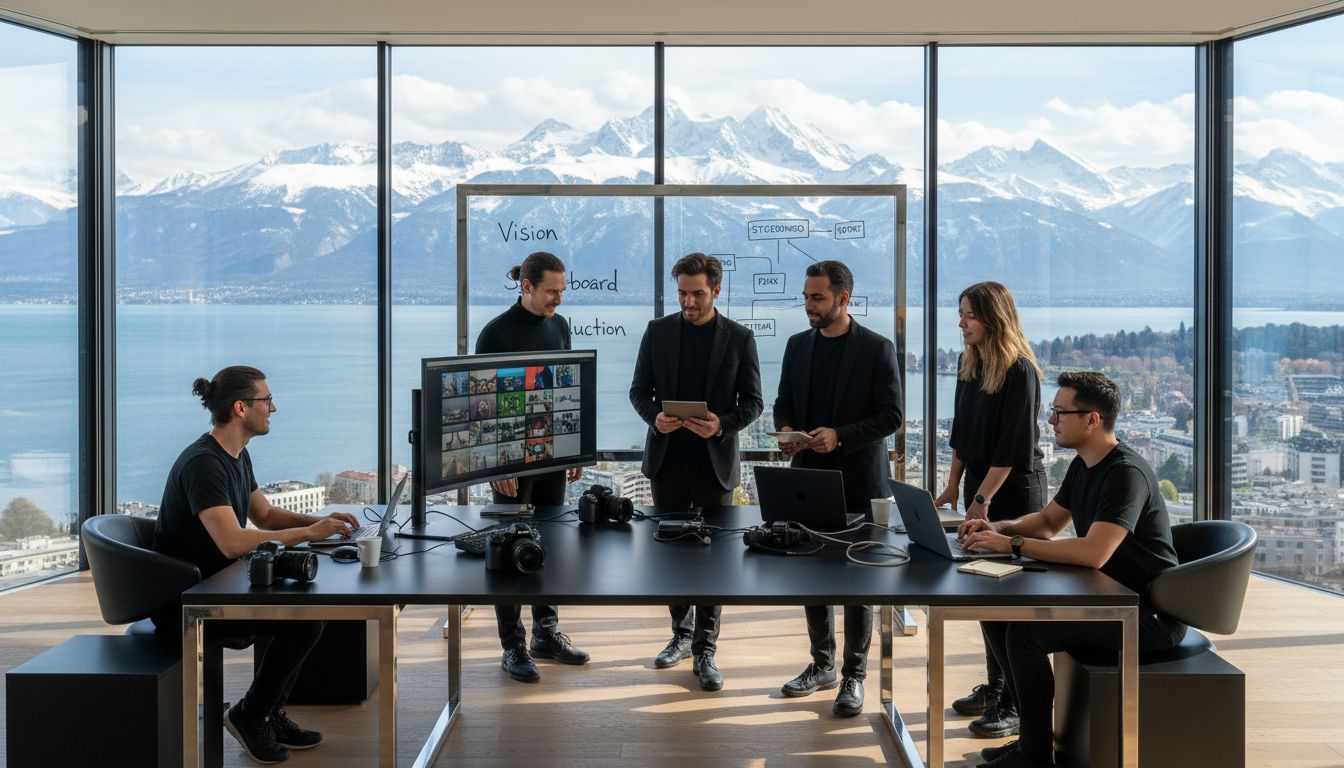
Over 90 percent of successful american marketing campaigns rely on clear objectives and a well-defined audience from the very start. Creating a compelling promotional video is much more than pressing record. Whether you are aiming to boost brand awareness or drive specific business goals, setting a strong foundation can make the difference between wasted time and measurable growth. This guide walks you through each step so your next promotional video stands out and delivers results you can measure.
Table of Contents
Quick Summary
Key Insight | Explanation |
1. Define clear project objectives | Establish measurable goals to guide your promotional video, such as brand awareness or sales increases, ensuring focused communication. |
2. Understand your target audience | Segment your audience by demographics and interests to create tailored content that resonates effectively with specific viewer groups. |
3. Organize comprehensive production logistics | Develop a detailed production timeline and budget to allocate resources efficiently, minimizing potential roadblocks during filming. |
4. Capture high-quality footage | Prioritize lighting, sound, and genuine performances during filming to ensure impactful storytelling that aligns with your storyboard vision. |
5. Conduct thorough post-production editing | Refine visual and audio elements meticulously to enhance the final product, ensuring it communicates the intended message clearly and effectively. |
Step 1: Define project objectives and audience
Successful promotional video creation starts with crystal clear project objectives and a precise understanding of who will watch your visual story. This initial planning phase determines your entire video strategy and sets the foundation for compelling communication.
Begin by outlining specific communication goals that are measurable and time-bound. Ask yourself: What exact result do you want from this promotional video? Are you aiming to increase brand awareness, drive sales, explain a complex service, or showcase a new product? Each objective requires a different strategic approach.
Next, dive deep into understanding your target audience. Narrowing your focus to groups most likely interested in your project results means creating more impactful content. Segment your audience by demographics, professional interests, and potential engagement levels. For Swiss businesses, this might mean targeting specific industry sectors, company sizes, or geographic regions.
Pro tip: Avoid the common mistake of trying to speak to everyone. A video designed for everyone often resonates with no one. Choose your primary audience and craft your message specifically for them.
With clear objectives and audience insights mapped out, you are now ready to move into scripting and creative development. Your strategic groundwork will transform a generic video into a precision communication tool.
Step 2: Develop creative concepts and storyboards
With your project objectives and target audience clearly defined, it is time to transform your strategic vision into a compelling visual narrative. Developing creative concepts and storyboards is where your promotional video begins to take shape, bridging the gap between abstract ideas and concrete visual storytelling.
Start by brainstorming core narrative concepts that align with your objectives. Advanced AI systems now offer innovative approaches to translating textual ideas into visual storyboards, helping you explore creative possibilities more efficiently. Sketch out potential story arcs that will resonate with your target audience, focusing on emotional engagement and clear communication of your key message.

Emerging technologies like CineVision are revolutionizing how creative teams collaborate on visual pre-visualization, offering dynamic tools for refining your concept. Consider creating multiple storyboard versions that showcase different narrative approaches. Each frame should communicate a specific element of your story while maintaining a cohesive visual flow that keeps viewers engaged.
Pro tip: Remember that a great storyboard tells your story without words. Each frame should be so clear and compelling that it could stand alone as a powerful visual communication tool.
With your creative concepts and initial storyboards developed, you are now prepared to move into the detailed scripting and shot planning phase. Your strategic groundwork will ensure that every visual element serves your core communication objectives.
Step 3: Organize production logistics and resources
Successful promotional video production hinges on meticulous planning and strategic resource management. This critical phase transforms your creative vision into a practical, executable project that maximizes efficiency and minimizes potential roadblocks.
Comprehensive production guidelines emphasize the importance of systematic resource allocation and quality standards for creating professional visual content. Begin by creating a detailed production timeline that breaks down every aspect of your project. List essential resources including camera equipment, lighting gear, sound recording tools, location requirements, and human resources like camera operators, sound technicians, and talent.
Create a comprehensive budget spreadsheet that accounts for all potential expenses. Include line items for equipment rental, location fees, talent compensation, post production costs, and a contingency fund for unexpected expenses. Prioritize your resources strategically ensuring that critical elements receive appropriate investment while maintaining overall budget discipline.
Pro tip: Always build a 15% buffer into your budget and timeline. Unexpected challenges are inevitable in video production, and this flexibility will help you manage potential complications without derailing your entire project.
With production logistics mapped out and resources carefully allocated, you are now prepared to move into the actual shooting and recording phase. Your thorough preparation will provide a solid foundation for creating a high quality promotional video.
Step 4: Film high-quality video content
With your creative concepts and production logistics carefully planned, you are now ready to bring your promotional video to life through strategic filming. This stage transforms your storyboard from a conceptual blueprint into dynamic visual storytelling that captures your brand’s essence.
Comprehensive production guidelines provide critical technical specifications and quality control measures to ensure your final product communicates its intended message effectively. Begin by setting up your shooting environment with precise attention to lighting, sound, and camera positioning. Conduct multiple test shots to confirm your technical settings match the creative vision outlined in your storyboards.
Focus on capturing authentic moments that align with your original narrative concept. Direct your talent to deliver natural performances that feel genuine and engaging. Pay close attention to framing, ensuring each shot communicates the precise emotional and informational elements you designed during the conceptual phase.
Pro tip: Always record more footage than you think you will need. Unexpected magical moments often happen between scripted takes, and having extra material provides flexibility during post production editing.
With your high quality footage captured, you are now prepared to move into the crucial post production phase where raw video will be transformed into a polished final product that tells your brand’s unique story.
Step 5: Edit and enhance visual and audio elements
Post production transforms your raw video footage into a polished, professional visual narrative that communicates your brand message with precision and impact. This critical phase is where technical skill meets creative storytelling, refining every visual and audio element to deliver maximum audience engagement.
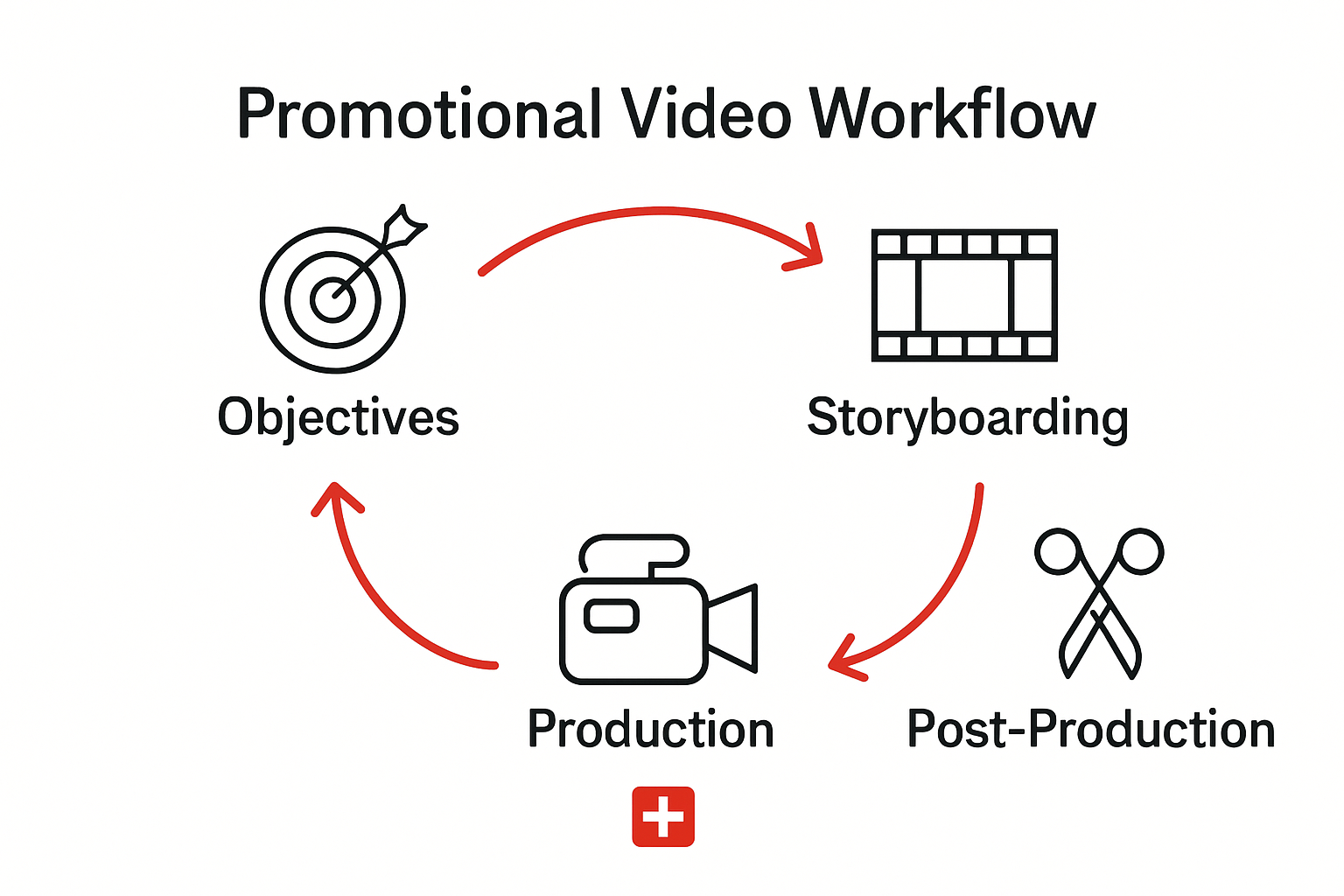
Professional production guidelines emphasize meticulous editing processes to ensure high quality communication standards are consistently met. Begin by organizing your raw footage chronologically, then review each clip critically. Select the most compelling shots that align perfectly with your original storyboard and narrative objectives. Color correction and grading should enhance the visual mood while maintaining authenticity and brand consistency.
Focus intensely on audio engineering during post production. Clean up background noise, balance sound levels, and integrate music or voiceover tracks that complement your visual storytelling. Ensure smooth audio transitions and consider using subtle sound design elements that enhance emotional impact without overwhelming the primary message.
Pro tip: Watch your edited video with fresh eyes multiple times. Step away between editing sessions to maintain objectivity and catch details you might have missed during intense work periods.
With your visual and audio elements carefully refined, you are now ready to prepare your final video for distribution across your selected marketing channels.
Step 6: Review, finalize, and deliver the video
The final stage of your promotional video production transforms your carefully crafted visual story into a professional deliverable that represents your brand with precision and impact. This critical phase demands meticulous attention to detail and a strategic approach to quality assurance.
Comprehensive production guidelines provide a structured framework for reviewing and finalizing video content to ensure maximum communication effectiveness. Begin with a comprehensive review process that involves multiple stakeholders. Watch the video from different perspectives imagine yourself as a potential client or target audience member. Check for technical consistency including color balance, audio clarity, transitions, and overall visual flow.
Prepare your video for distribution by selecting appropriate file formats and compression levels suitable for your intended marketing channels. Consider creating multiple versions optimized for different platforms such as social media, website embedding, and professional presentations. Ensure your video meets technical specifications for resolution, file size, and platform requirements.
Pro tip: Always perform a final quality check on different devices and screens. What looks perfect on a professional monitor might appear differently on a smartphone or tablet.
With your video meticulously reviewed and prepared, you are now ready to launch your promotional content and begin measuring its impact and audience engagement.
Elevate Your Brand with Expert Promotional Video Production
Navigating the detailed workflow of creating a promotional video can be overwhelming for Swiss businesses seeking to connect deeply with their target audience. The article highlights key challenges such as defining clear objectives, managing meticulous production logistics, and refining visual and audio elements for impactful storytelling. These pain points often hold back the full potential of video as a communication tool. By embracing a personalized and efficient approach, you can overcome common hurdles like scattered messaging and resource strain to produce videos that truly resonate.
At Tulip Films, we specialize in transforming your strategic vision into high-quality audiovisual content tailored specifically to your audience and goals. From initial concept development through to the final delivery, our team understands the importance of precision communication, authentic storytelling, and technical excellence described in the workflow. Experience a professional process that focuses on your unique needs while ensuring rapid delivery and seamless coordination. To explore how we bring your brand story to life effectively, visit our landing page and discover the power of bespoke video solutions.
Ready to make your promotional video project effortless and impactful?
Get started today with a free consultation at Tulip Films. Let us help you craft a visual story that captures attention and drives results. Don’t wait to turn your ideas into vivid, engaging videos that connect and convert.
Frequently Asked Questions
What are the key steps in the promotional video workflow for Swiss businesses?
The key steps include defining project objectives and audience, developing creative concepts and storyboards, organizing production logistics and resources, filming high-quality content, editing and enhancing visual and audio elements, and finally, reviewing and delivering the video. Follow these steps to create a cohesive and effective promotional video tailored to your audience.
How can I effectively define my project’s objectives for a promotional video?
To define project objectives, specify measurable and time-bound goals such as increasing brand awareness or driving sales. Write down your top three objectives to stay focused during the production process.
What should I consider when identifying my target audience?
When identifying your target audience, segment them by demographics, interests, and engagement levels to create content that resonates. Create a detailed persona of your ideal viewer to guide your messaging and visuals.
How can I ensure high-quality filming for my promotional video?
To ensure high-quality filming, set up your shooting environment with proper lighting, sound, and camera positioning. Conduct test shots before the actual filming to confirm that everything meets your creative vision.
What are essential elements to focus on during post-production editing?
During post-production, focus on organizing your raw footage, selecting compelling shots, and balancing audio levels. Aim to color correct your footage and ensure smooth transitions to enhance viewer engagement.
How can I prepare my final video for effective distribution?
Prepare your final video by selecting the appropriate file formats and compression levels for different platforms like social media or your website. Create multiple optimized versions to ensure compatibility and maximum reach.
Recommended
