Role of Editing in Video Production: Impact on Engagement

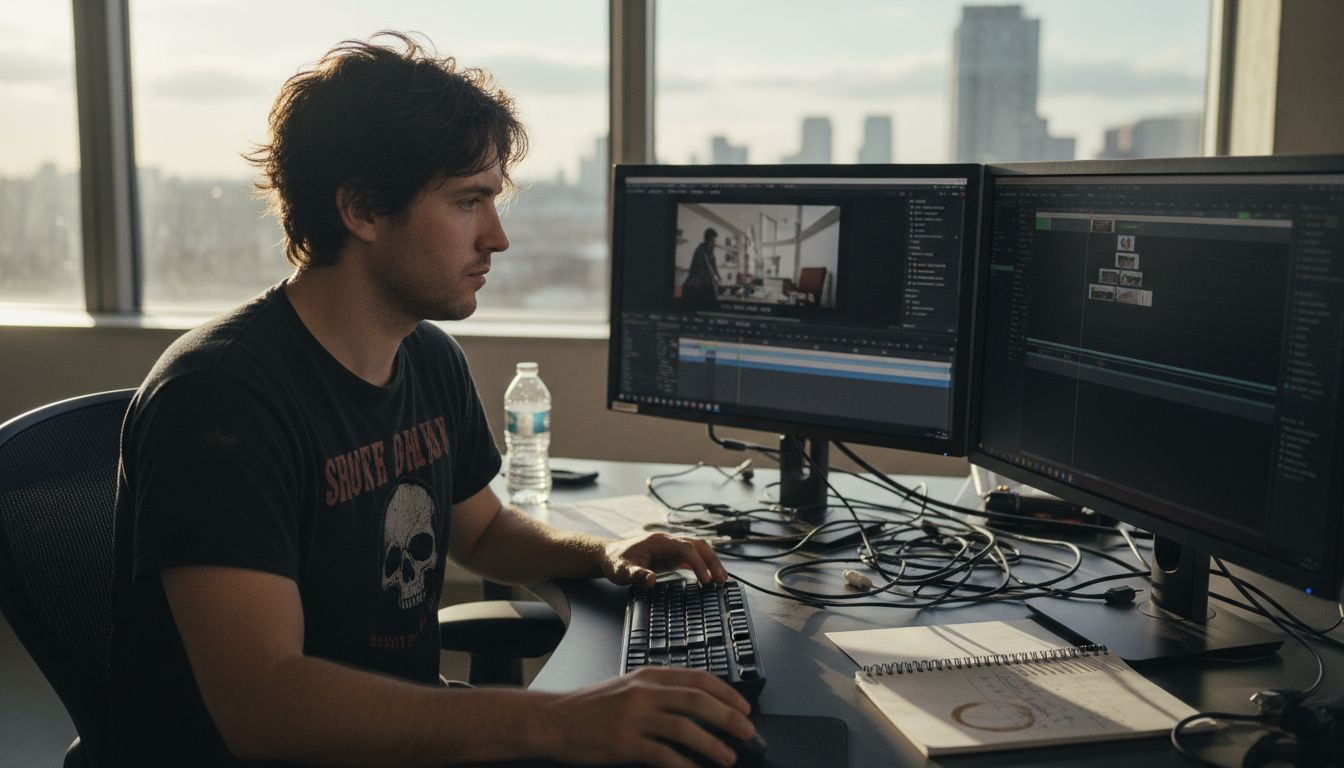
More than 80 percent of viewers click away from branded videos if editing feels sloppy or confusing, making every second count for Swiss marketing teams aiming to compete with American standards. In a marketplace shaped by global influence, the difference between mediocre and memorable often lies in how expert editing transforms raw footage into captivating stories. This guide shares the editing insights professionals use to craft promotional videos that keep audiences fully engaged from the first frame.
Table of Contents
Key Takeaways
Point | Details |
Editing is a Transformative Process | Video editing is essential in shaping narratives and engaging audiences through the arrangement and selection of visual elements. |
Understanding Editing Techniques | Familiarize yourself with various editing techniques such as linear and non-linear editing to enhance your storytelling capabilities. |
Avoid Common Mistakes | Maintain a systematic approach to pre-production and editing workflows to minimize technical errors and preserve narrative clarity. |
Enhance Audience Engagement | Use strategic edits to maintain viewer interest and create an emotionally resonant experience that keeps audiences invested in your content. |
Defining Editing in Video Production
Video editing represents the intricate process of transforming raw visual footage into a cohesive narrative that captivates audiences. At its core, editing involves systematically selecting and arranging video materials to create a compelling storytelling experience that communicates ideas effectively.
Professional video editing goes beyond simple cutting and splicing. It encompasses sophisticated techniques that shape viewer perception, control emotional response, and establish narrative flow. The post-production stage involves structuring source material to produce a coherent video stream, which requires strategic decision making about pacing, rhythm, and visual progression.
The fundamental elements of video editing include technical skills like trimming clips, arranging sequences, color correction, audio synchronization, and adding visual effects. Editors must understand how each edit impacts the overall narrative - whether they are creating corporate promotional videos, documentary films, or marketing content. Their work transforms disconnected footage into meaningful communication that resonates with specific target audiences.
Pro Editing Insight: Study professional video projects closely and analyze how subtle edits create emotional impact and narrative momentum. Practice deconstructing successful videos to understand the invisible art of editing.
Understand more about post-production workflows to refine your editing skills and create more engaging visual stories.
Types of Editing and Their Functions
Video editing encompasses multiple sophisticated approaches, each designed to serve unique storytelling and technical objectives. Professional video editing techniques can be categorized into several distinct types, ranging from linear and non-linear methods to specialized platform-specific strategies.
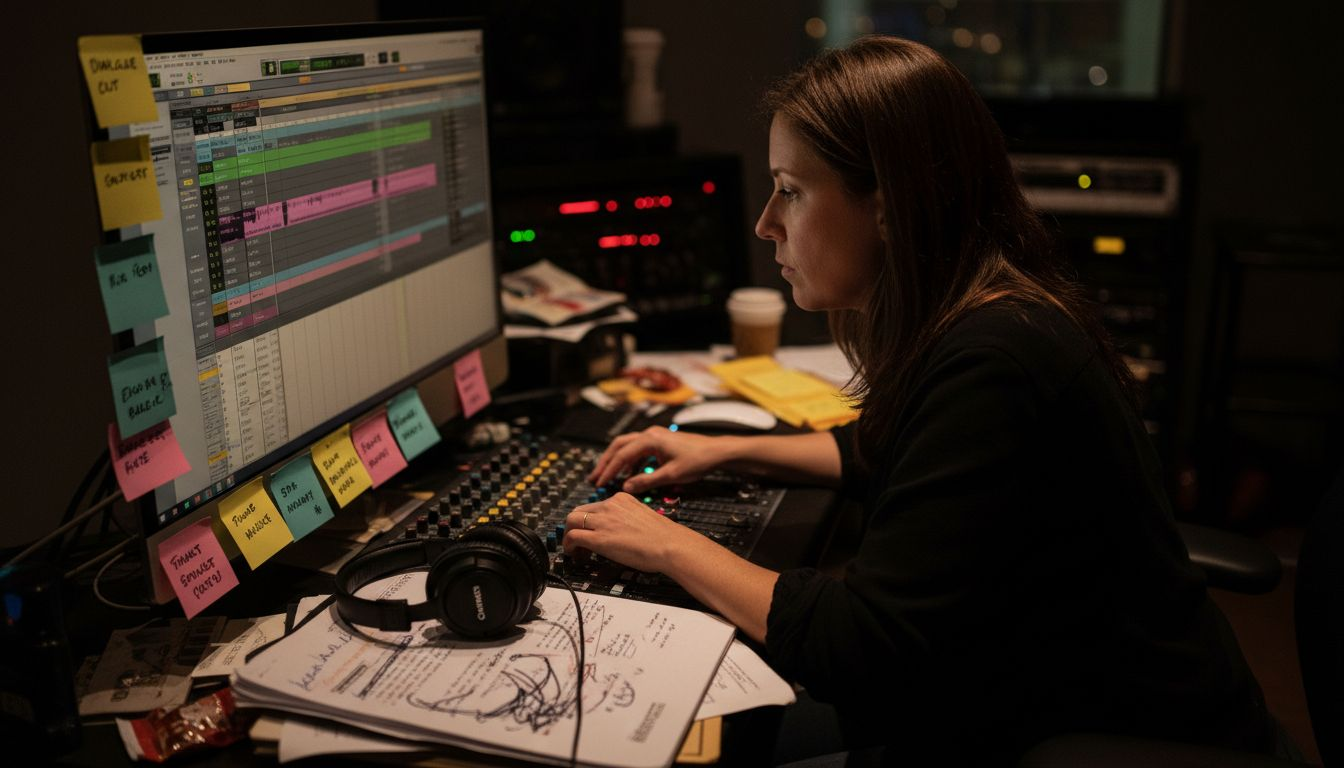
The primary editing types include linear editing, which follows a sequential process of arranging footage chronologically, and non-linear editing, a digital approach allowing editors to manipulate video segments without disrupting the entire sequence. Contemporary editing methodologies are often classified into technical, purpose-based, and platform-specific categories, reflecting the complexity of modern video production workflows.
Specific editing approaches like continuity editing focus on maintaining smooth narrative flow, while montage editing emphasizes creating emotional impact through strategic visual arrangements. Specialized techniques such as multi-camera editing enable professionals to synchronize footage from multiple sources, providing rich visual perspectives especially valuable in documentary, live event, and corporate video production.
Pro Editing Strategy: Learn one new editing technique every month and practice integrating it into your current projects. Diversifying your editing skills will dramatically improve your creative flexibility and professional adaptability.
Learn more about advanced post-production techniques to elevate your video editing capabilities.
Below is a summary of the main types of video editing and their core functions:
Editing Type | Primary Function | Typical Use Case |
Linear Editing | Chronological clip arrangement | Broadcast news, tape workflows |
Non-linear Editing | Non-destructive segment changes | Digital films, online content |
Continuity Editing | Smooth narrative progression | Feature films, TV dramas |
Montage Editing | Emotional impact via visuals | Trailers, music videos |
Multi-camera Editing | Synchronize multiple sources | Live events, interviews |
Editing Workflows and Key Techniques
Professional editing workflows represent a systematic approach to transforming raw footage into compelling visual narratives, involving multiple critical stages that require technical skill and creative insight. The process typically begins with media organization, where editors carefully import, categorize, and review all available video materials to establish a comprehensive understanding of the project’s raw content.
The core editing workflow encompasses several fundamental techniques designed to enhance storytelling and visual communication. Modern editing approaches integrate advanced methods like continuity editing, parallel editing, and strategic cutaway shots, each serving unique narrative purposes. Continuity editing ensures smooth visual progression, while parallel editing creates tension by alternating between different storylines or perspectives, allowing editors to build complex emotional landscapes.
Key technical stages in the editing workflow include creating rough cuts, refining sequences, color grading, sound mixing, and final export. Editors must make precise decisions about pacing, rhythm, and visual composition, understanding that each edit significantly impacts audience perception and emotional engagement. Advanced techniques like multi-camera synchronization and sophisticated transition management enable professionals to craft seamless, immersive visual experiences across various video genres.
Pro Editing Workflow Tip: Create a standardized project template with predefined bins, color labels, and naming conventions to streamline your editing process and maintain consistent organizational efficiency.
Explore advanced post-production techniques to elevate your video editing capabilities.
Influence of Editing on Storytelling
Editing represents the invisible art of transforming raw footage into a coherent narrative that captivates and manipulates audience emotions, serving as the critical language through which visual stories are communicated. By strategically selecting, arranging, and connecting visual elements, editors craft narratives that transcend mere chronological sequences, creating powerful emotional experiences that resonate deeply with viewers.
The psychological impact of editing extends far beyond simple technical manipulation. Editors shape narrative perception through precise timing, sequence selection, and transitions that guide viewer interpretation and emotional response, ultimately determining how audiences understand and connect with the story. Through techniques like montage, parallel editing, and strategic cutaways, professionals can compress time, create tension, reveal character motivations, and construct complex narrative layers that engage viewers on multiple sensory and emotional levels.
Key storytelling techniques in editing include rhythm manipulation, emotional pacing, and narrative compression. An editor’s decisions about shot duration, transition style, and sequence arrangement can dramatically alter a story’s perceived meaning. By controlling visual information flow, editors can create suspense, reveal character insights, or shift audience perspective within milliseconds, demonstrating the profound psychological power of thoughtful visual storytelling.
Pro Storytelling Insight: Analyze award-winning films and documentaries frame by frame to understand how subtle editing choices create profound emotional impact and narrative depth.
Explore the nuanced role of storytelling in video production to enhance your narrative techniques.
Common Mistakes and Solutions in Editing
Video editing involves numerous potential pitfalls that can significantly undermine the quality of visual storytelling, ranging from technical errors to creative misjudgments. Understanding these common mistakes and their strategic solutions is crucial for producing professional-grade video content that maintains audience engagement and narrative clarity.
Technical mistakes often manifest through issues like improper audio synchronization, inconsistent pacing, and poorly managed transitions. Editors frequently encounter challenges such as mismatched cuts, ineffective sound design, and organizational complexity that can disrupt the narrative flow. These problems typically stem from inadequate preparation, rushed workflows, and a lack of systematic review processes. Problematic editing can introduce jarring visual discontinuities, create unintended emotional disconnects, and ultimately compromise the storytelling experience.
Key strategies for avoiding common editing mistakes include establishing a comprehensive pre-production workflow, maintaining meticulous media organization, and implementing rigorous review techniques. Editors should develop systematic approaches to reviewing footage, creating consistent sequence structures, and ensuring smooth audio-visual integration. Advanced techniques like creating detailed project templates, using color-coded markers, and establishing clear editorial guidelines can dramatically reduce technical errors and streamline the post-production process.
Pro Editing Problem-Solving Tip: Create a standardized editing checklist that covers technical and creative review points, ensuring consistent quality control across all your video projects.
Explore advanced post-production workflow techniques to elevate your editing precision.
The table below highlights common editing pitfalls and effective solutions for each:
Common Mistake | Typical Consequence | Effective Solution |
Poor audio sync | Distracts the audience | Use waveform auto-alignment |
Inconsistent pacing | Confused viewer flow | Storyboard sequences first |
Weak transitions | Jarring scene changes | Add purposeful transitions |
Disorganized media files | Slowed editing process | Color-coded folder systems |
Overused visual effects | Loss of narrative focus | Prioritize story clarity |
Enhancing Audience Engagement Through Editing
Strategic editing techniques can dramatically transform viewer interaction and retention rates, creating powerful connections between visual content and audience perception. Modern editing approaches recognize that engagement is not merely about presenting information, but crafting an immersive, emotionally resonant experience that captures and sustains viewer attention.
Scientific research demonstrates that specific editing features like cut frequency, transition styles, and content pacing directly influence viewer engagement metrics, revealing the profound psychological impact of editorial decisions. Dynamic editing involves creating rhythm through strategic visual transitions, carefully modulating content pace, and maintaining a visual narrative that keeps audiences intellectually and emotionally invested. By understanding how different editing techniques trigger viewer responses, professionals can design more compelling visual stories.
Key engagement enhancement strategies include maintaining visual variety, using strategic cuts to maintain momentum, incorporating unexpected visual perspectives, and creating narrative tension through intelligent sequencing. Editors must balance information delivery with aesthetic appeal, using techniques like match cuts, parallel editing, and carefully timed transitions to create a seamless viewing experience that feels both natural and compelling. Advanced editing approaches also involve understanding audience psychology, anticipating viewer expectations, and subtly subverting them to maintain interest.
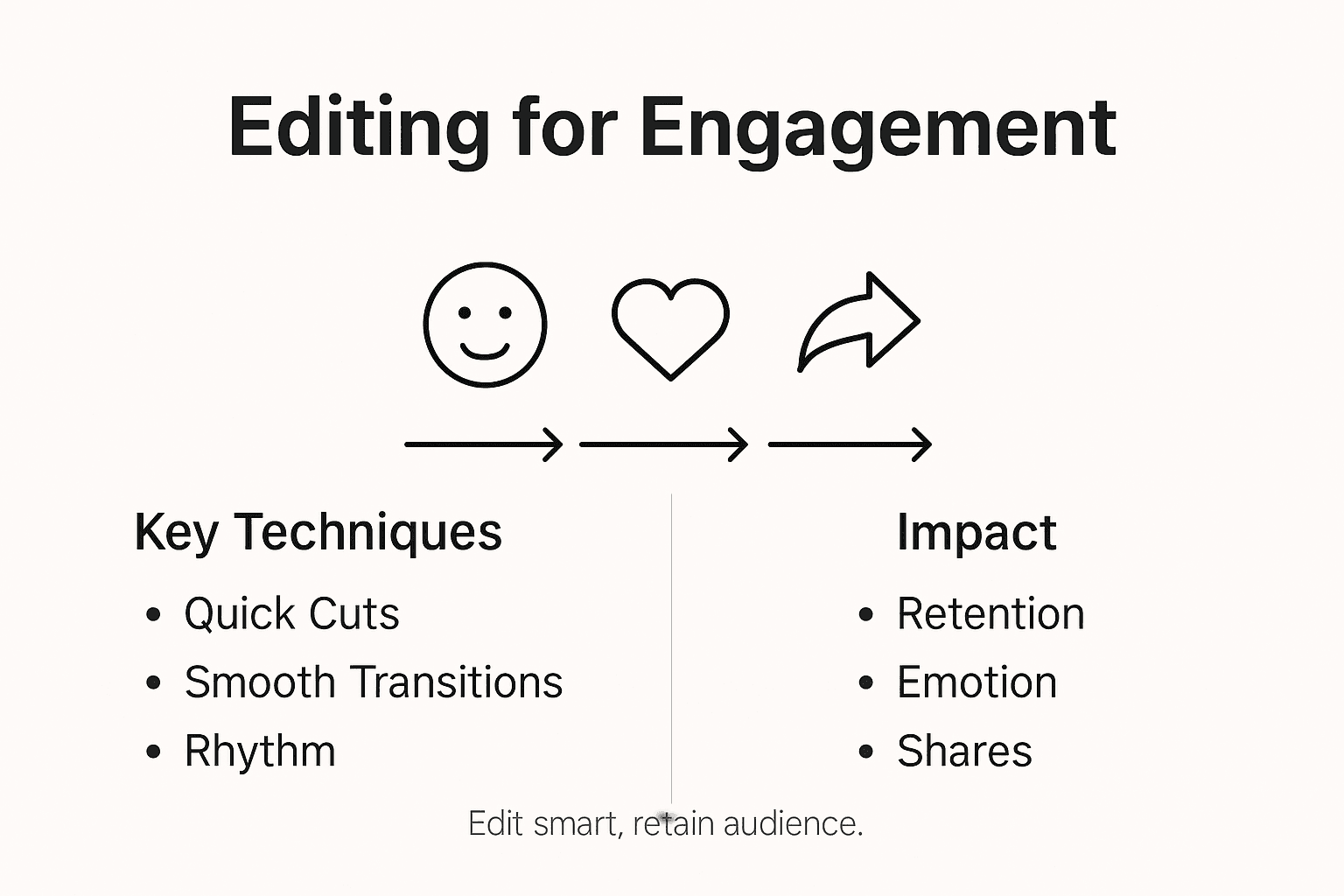
Pro Engagement Design Tip: Develop a consistent editing rhythm that matches your content’s emotional tone, using pacing and visual transitions to guide viewer emotional journey.
Prevent viewer drop-off with strategic video design techniques to maximize audience retention.
Elevate Your Storytelling with Expert Video Editing from Tulip Films
The article highlights the powerful role that precise editing plays in capturing and sustaining audience engagement. Challenges like maintaining rhythm, pacing, and emotional flow can make or break your video’s impact. If you are looking to avoid common pitfalls such as inconsistent pacing or weak transitions and want to harness advanced techniques like parallel and continuity editing, a professional team can transform raw footage into a gripping narrative that truly resonates.
At Tulip Films, we understand the emotional and psychological influence that editing has on storytelling. Our Swiss-based video production experts specialize in creating personalized audiovisual content tailored to your unique goals. Whether you need vibrant corporate videos, captivating promotional ads, or immersive event coverage, we deliver high-quality films designed to connect deeply with your audience while keeping them engaged from start to finish.
Discover how strategic editing can elevate your message and maximize viewer impact.
Ready to turn your vision into an engaging story with expert editing that captivates every viewer? Start your journey today by planning a free consultation with Tulip Films and explore how our bespoke video production solutions can enhance your brand’s connection with its audience. Learn more about our post-production expertise and the role of storytelling in video production to see how we bring footage to life.
Frequently Asked Questions
What is the role of editing in video production?
Editing transforms raw footage into a cohesive narrative, enhancing storytelling and emotional engagement with the audience.
How does editing impact viewer engagement?
Strategic editing techniques improve audience interaction by creating immersive experiences that resonate emotionally, thereby increasing retention rates.
What are common editing techniques that enhance storytelling?
Key techniques include continuity editing for smooth narrative flow, montage editing for emotional impact, and parallel editing to build tension between different perspectives.
How can I avoid common mistakes in video editing?
To prevent errors, maintain a systematic pre-production workflow, keep files organized, and establish a detailed editing checklist to ensure consistent quality control.
Recommended
