Understanding the Role of Video in Social Media Marketing


Video marketing in social media is everywhere and it is changing how brands talk to people. Over 91 percent of businesses now use video in their marketing efforts. Most people expect flashy ads or viral dance trends but there is something else happening. The real story is about building conversation and real connection instead of just selling a product.
Table of Contents
Quick Summary
Takeaway | Explanation |
Engaging narratives are key | Compelling storytelling helps resonate with audience segments and encourages sharing. |
Video boosts emotional connection | Visual storytelling taps into emotions, making messages memorable and impactful. |
Understand platform specifics | Tailor video content to fit the unique dynamics and consumption habits of each platform. |
Interactive content drives participation | Create videos that invite viewer interaction, enhancing engagement and connection. |
Clear goals shape strategy | Successful video marketing requires defined objectives and measurable outcomes for effectiveness. |
What is Video Marketing in Social Media?
Video marketing in social media represents a strategic approach to creating, publishing, and promoting video content across various digital platforms to engage audiences, communicate brand messages, and drive specific marketing objectives. Unlike traditional advertising, social media video marketing leverages the interactive and shareable nature of digital platforms to create deeper connections with target viewers.
Understanding Video Marketing Fundamentals
At its core, video marketing in social media involves developing compelling visual content that resonates with specific audience segments. This approach goes beyond simple promotional videos, focusing instead on storytelling, emotional engagement, and providing genuine value to viewers. Effective video marketing transforms passive viewers into active participants, encouraging interaction, sharing, and meaningful brand connections.
According to research on educational marketing trends, video content has become a critical communication tool across various sectors. The strategic elements of successful social media video marketing include:
Crafting narratives that align with audience interests
Producing high-quality, visually appealing content
Understanding platform-specific video requirements
Measuring engagement through analytics
Strategic Implementation and Impact
Successful video marketing in social media requires a nuanced understanding of audience preferences and platform dynamics. Each social media platform offers unique video consumption patterns and audience expectations.
For instance, professional networking platforms like LinkedIn might favor informative, industry-focused content, while Instagram could prioritize visually stunning, story-driven videos.
The following table summarizes the key differences between various social media platforms and the types of video content that perform best on each.
Social Media Platform | Preferred Video Content Style | Audience Expectation | Video Length Tendency |
Informative, industry-focused | Professional value, learning, company insights | Short-to-medium (30s-2 min) | |
Visually stunning, story-driven | Entertaining, trendy, creative | Very short (under 60s) | |
Engaging, shareable narratives | Community conversation, news, lifestyle | Short-to-medium (30s-2 min) | |
TikTok | Highly creative, informal, viral | Humor, trends, challenges | Very short (15-60s) |
YouTube | In-depth, educational, diverse | Tutorials, reviews, entertainment | Medium-to-long (5-15 min) |
Businesses can leverage video marketing to achieve multiple objectives, such as:
Building brand awareness
Explaining complex products or services
Showcasing customer testimonials
Demonstrating company culture
Driving website traffic and conversions
By creating authentic, engaging video content that speaks directly to audience needs and interests, brands can transform their social media presence from mere broadcasting to meaningful conversation and connection.
Why Video Content Matters for Brands
In the digital marketing ecosystem, video content has emerged as a powerful tool for brands to communicate, engage, and build meaningful connections with their target audiences. Video transcends traditional communication barriers, offering a dynamic and immersive medium that can convey complex messages quickly and emotionally.
The Psychological Impact of Visual Storytelling
Video content triggers deeper psychological responses compared to static text or images.
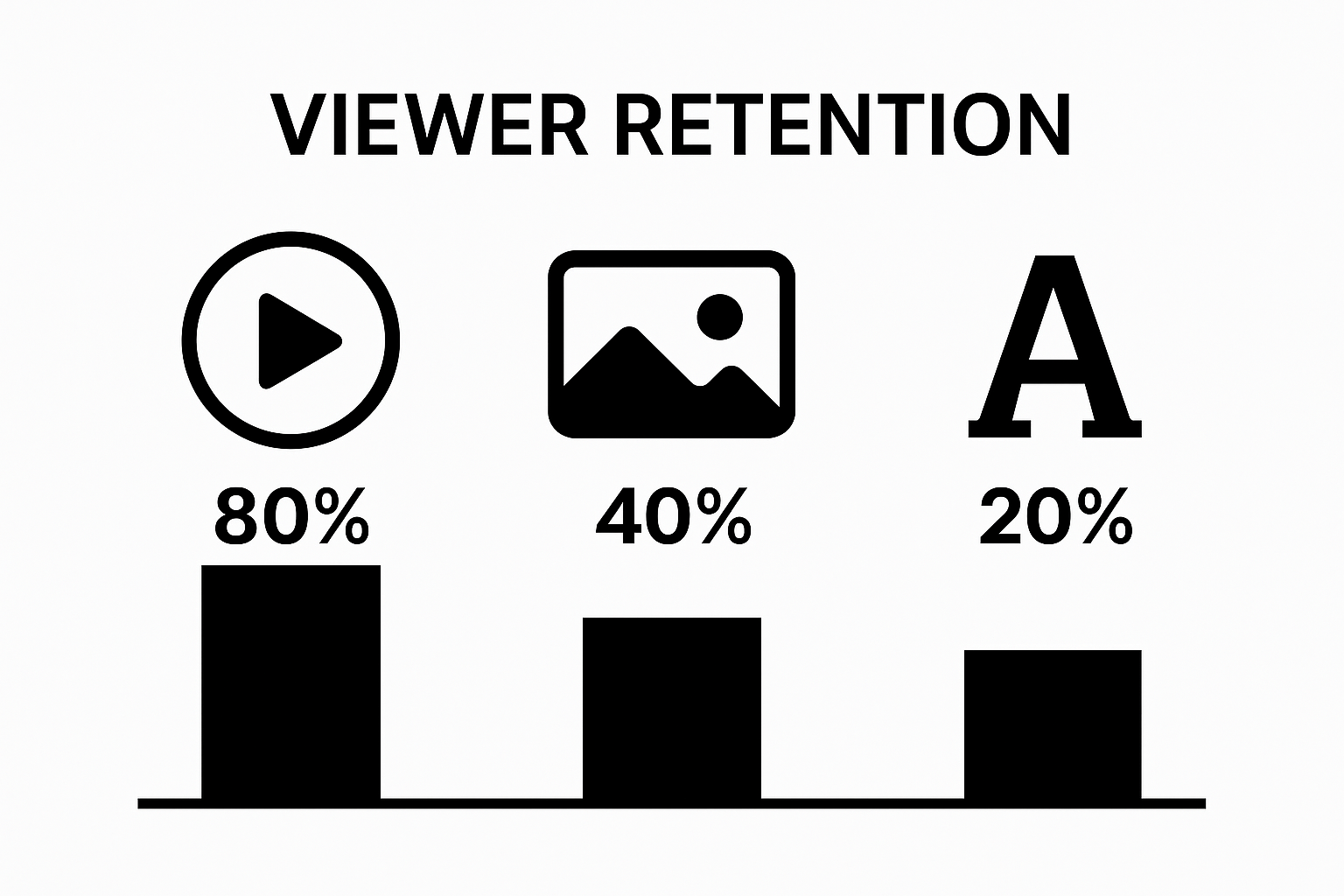
When brands leverage visual storytelling, they tap into viewers emotional centers, creating memorable experiences that resonate beyond mere information transmission. Insights from university communication guidelines emphasize the importance of representing diverse perspectives and authentic narratives through visual content.
The compelling aspects of video marketing include:
Instant emotional engagement
Higher information retention rates
Ability to demonstrate product functionality
Opportunity for authentic brand personality expression
Strategic Value for Brand Communication
Brands recognize video as more than a marketing tool it is a strategic communication channel. Video content allows businesses to humanize their messaging, presenting real stories, testimonials, and behind-the-scenes glimpses that build trust and transparency. Organizations can explore more about strategic video production to understand its comprehensive business impact.
Key strategic advantages of video content include:
Building stronger audience relationships
Increasing website engagement metrics
Improving search engine visibility
Facilitating complex information explanation
Boosting social media sharing potential
By integrating thoughtful, high-quality video content into their marketing strategies, brands can transform passive audience interactions into dynamic, meaningful conversations that drive genuine connection and business growth.
How Video Engages Audiences Effectively
Video content represents a powerful communication tool that captures audience attention through multisensory storytelling. By combining visual and auditory elements, videos create immersive experiences that traditional marketing channels cannot replicate, enabling brands to forge deeper emotional connections with viewers.
Psychological Triggers in Video Engagement
Successful video engagement relies on understanding fundamental psychological mechanisms that drive human attention and response. According to research on global health communication strategies, effective video content must strategically address viewers psychological and emotional landscapes.
Key psychological engagement triggers include:
Narrative momentum that maintains curiosity
Emotional resonance through authentic storytelling
Visual stimulation that maintains cognitive interest
Personal relevance that connects with individual experiences
Interactive and Experiential Marketing Dynamics
Modern audiences seek participatory content experiences, not passive consumption. Video marketing has evolved from one-way communication to interactive storytelling that encourages viewer involvement. Learn more about advanced video production techniques to understand how brands can create compelling interactive narratives.
Effective audience engagement strategies encompass:
Creating content that invites viewer commentary
Developing videos with clear emotional trajectories
Designing narratives that reflect audience aspirations
Incorporating user-generated content elements
Utilizing platform-specific engagement mechanisms
By understanding these nuanced engagement principles, brands can transform video from a mere communication tool into a dynamic platform for building meaningful audience relationships.
This table organizes the psychological triggers and strategic benefits of video engagement as discussed in the article for easier reference.
Psychological Trigger | Description | Strategic Benefit |
Narrative Momentum | Maintains audience curiosity and attention throughout the video | Increases watch time and retention |
Emotional Resonance | Leverages authentic storytelling to evoke emotions | Fosters brand loyalty |
Visual Stimulation | Uses appealing visuals and motion to attract cognitive interest | Boosts message recall |
Personal Relevance | Connects content to individual viewer experiences | Enhances engagement |
Interactivity | Invites viewer participation and commentary | Drives active involvement |
User-Generated Involvement | Incorporates audience content and feedback | Builds community |
Key Concepts of Video Strategy in Marketing
Video marketing strategy represents a deliberate, structured approach to creating and distributing video content that aligns with specific business objectives. Unlike random content creation, a robust video strategy requires comprehensive planning, audience understanding, and measurable goals that transform visual storytelling into strategic communication.
Strategic Planning and Audience Alignment
Developing an effective video marketing strategy begins with deep audience comprehension. Insights from strategic social media marketing research emphasize the importance of understanding viewer preferences, behaviors, and consumption patterns across different platforms.
Critical strategic planning elements include:
Defining clear marketing objectives
Identifying target audience demographics
Mapping content to audience journey stages
Establishing measurable performance indicators
Aligning video content with brand messaging
Content Development and Distribution Frameworks
Successful video strategies transcend individual content pieces, focusing on creating cohesive narrative ecosystems. This approach requires careful consideration of content types, platform dynamics, and audience engagement mechanisms. Explore advanced video production strategies to understand comprehensive content development approaches.
Key content development principles encompass:
Creating diverse video formats
Maintaining consistent brand voice
Optimizing content for platform-specific requirements
Developing a systematic content calendar
Integrating storytelling with strategic messaging
By implementing a holistic video marketing strategy, brands can transform disconnected content into powerful communication tools that drive meaningful audience connections and measurable business outcomes.
Real-World Examples of Video Success in Marketing
Video marketing has transformed from an experimental strategy to a mission-critical communication channel for businesses across industries. Successful brands leverage video content not just as promotional material, but as genuine storytelling platforms that connect deeply with audiences.
Corporate Storytelling and Brand Engagement
According to research on business video marketing, 91% of businesses now incorporate video into their marketing efforts, demonstrating its widespread strategic importance. Successful corporate video strategies typically showcase:
Authentic behind-the-scenes narratives
Employee and customer testimonial experiences
Product demonstration and functionality insights
Company culture and values visualization
Mission-driven storytelling approaches
Cross-Platform Video Marketing Strategies
Modern video marketing transcends single-platform limitations, requiring adaptive content strategies that resonate across different digital environments**. Learn more about advanced video production techniques to understand nuanced content development.
Effective cross-platform video approaches include:
Tailoring content length for platform expectations
Creating platform-specific video variations
Maintaining consistent brand messaging
Understanding audience behavioral differences
Implementing robust analytics tracking
By developing thoughtful, audience-centric video content, brands can transform digital communication from transactional interactions to meaningful, memorable experiences that drive genuine audience connection and business growth.

Bring Your Social Media Video Marketing to Life with Tulip Films
If you want to transform passive viewers into active brand advocates, your video strategy needs more than just technical know-how. Our article identifies how most businesses struggle to create authentic, audience-driven videos that actually engage and build connections on social media. The pain points are clear: inconsistent storytelling, lack of emotional impact, and videos that just blend into the crowd. With Tulip Films, you get a partner who understands the psychological triggers and storytelling techniques that make viewers take action—just like we explored in the fundamentals and strategic sections above.

Let us help you craft visually stunning, tailor-made videos that drive results. See what our recent projects look like and discover how easy it is to plan your own high-impact video campaign with a free consultation. Unleash your brand’s full potential—visit Tulip Films now and put your social media video strategy into action today.
Frequently Asked Questions
What is video marketing in social media?
Video marketing in social media is the strategic creation, publishing, and promotion of video content to engage audiences and achieve marketing goals. It focuses on storytelling and emotional engagement rather than traditional advertising methods.
Why is video content important for brands?
Video content is crucial for brands because it creates deeper emotional connections, enhances information retention, demonstrates product functionality, and allows for authentic expressions of brand personality. It serves as a powerful communication tool in the digital landscape.
How can businesses effectively engage audiences through video marketing?
Businesses can engage audiences effectively by utilizing narrative momentum to maintain curiosity, leveraging emotional resonance through storytelling, and incorporating interactive elements that invite viewer participation and commentary.
What are the key elements of a successful video marketing strategy?
A successful video marketing strategy includes defining clear marketing objectives, understanding target audience demographics, mapping content to the audience journey, and maintaining a consistent brand voice. It also involves optimizing for platform-specific requirements and developing a systematic content calendar.
Recommended
Video Production
Video Production: A Strategic Lever for Businesses
