Complete Guide to Video Content for Listings

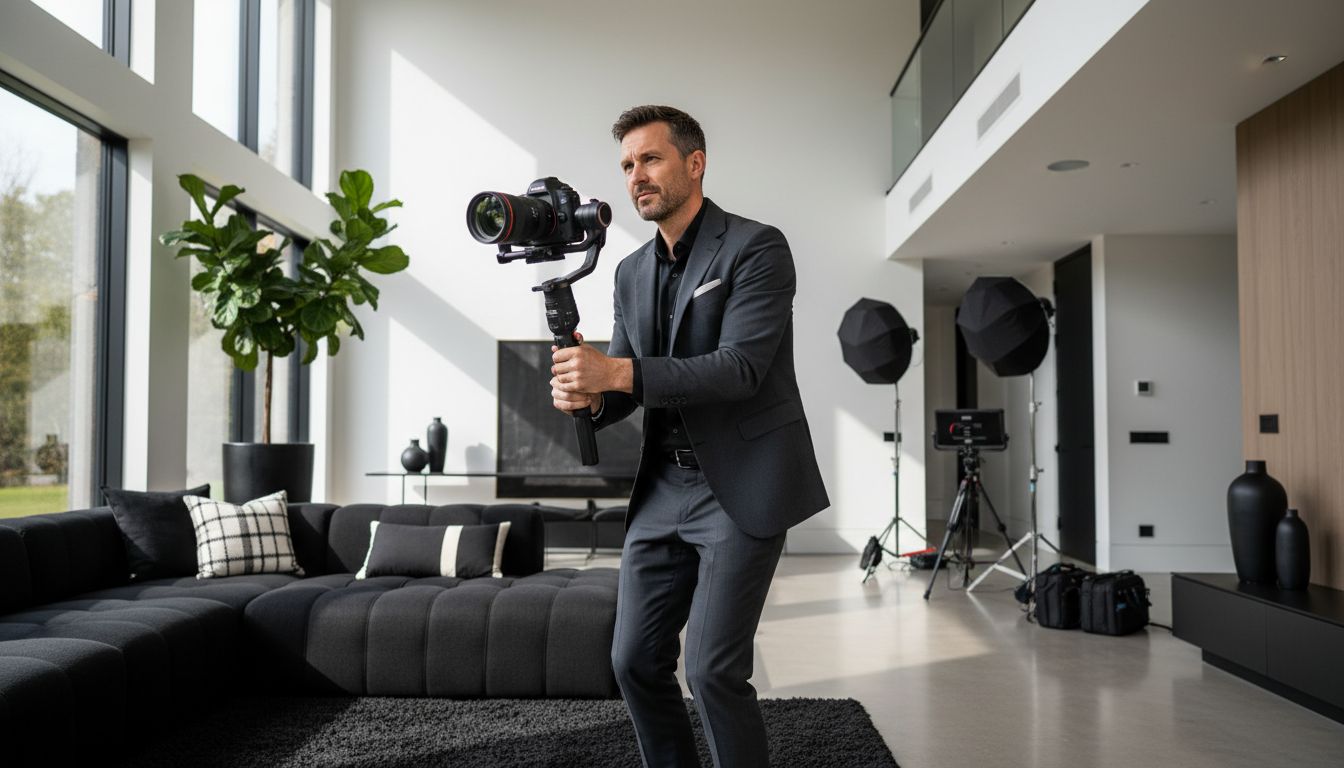
More than 70 percent of american buyers say they feel more confident visiting a property after viewing a high quality video tour. In today’s fast moving real estate market, visuals are no longer a bonus but a must-have for catching attention and encouraging action. With smart video content, agents can paint a vivid picture that goes far beyond still photos, helping viewers imagine life in each space and making properties stand out in a crowded field.
Table of Contents
Key Takeaways
Point | Details |
Importance of Video Content | Video content enhances property listings by providing immersive experiences that static images cannot replicate. |
Types of Listing Videos | Diverse video types such as property tours and neighborhood highlights address various buyer needs and preferences. |
Core Elements of Effective Videos | Successful listing videos should focus on high technical quality, engaging narratives, and emotional connections with viewers. |
Common Mistakes | Avoid generic content and ensure clear calls to action to maximize viewer engagement and impact. |
Defining Video Content for Listings
Video content for listings is a powerful visual storytelling tool that transforms traditional property presentations. According to MRI Software, real estate videography involves capturing properties on video to showcase them to potential buyers, offering a dynamic and immersive experience that static images cannot replicate.
At its core, video content for listings goes beyond simple recordings. These visual narratives provide potential clients with comprehensive property insights, allowing viewers to experience spaces virtually. Unlike traditional photography, video allows for smooth property walkthroughs, highlighting architectural details, spatial relationships, and the overall atmosphere of a location. The medium enables potential buyers or renters to gain a more intuitive understanding of a property’s layout, features, and unique characteristics.
Effective video content typically includes several key elements:
Comprehensive property tour
Smooth camera movements
Natural lighting
Strategic angles showcasing key spaces
Contextual neighborhood or surrounding environment shots
By integrating professional property video storytelling techniques, businesses can create compelling visual narratives that engage viewers and accelerate decision making processes. The goal is not just to show a property, but to help potential clients emotionally connect with the space and envision themselves living or working within it.
Key Types of Listing Videos
Video content for listings is not a one-size-fits-all approach. According to Market Leader, key types of real estate videos include property tours, agent introduction videos, client testimonials, neighborhood guides, and educational content. Each video type serves a unique purpose in helping potential buyers or renters understand and connect with a property.
Property showcase videos remain the cornerstone of listing content. These comprehensive visual tours provide viewers with an immersive walkthrough of a space, highlighting key architectural features, room layouts, and unique selling points. Wyzowl emphasizes that effective real estate videos go beyond simple recordings, encompassing explainer videos, property showcases, client testimonials, and neighborhood overviews to truly engage potential buyers.
The most impactful listing video types include:
Property Tours: Full walkthrough of interior and exterior spaces
Agent Introduction Videos: Personalized content building trust and credibility
Client Testimonial Videos: Real experiences from previous buyers or renters
Neighborhood Highlight Videos: Contextual information about local amenities and community
Virtual Staging Videos: Demonstrating potential property transformations
Drone Footage: Comprehensive aerial views of properties and surrounding areas
By creating a diverse video content strategy, businesses can master video marketing techniques that speak directly to potential clients’ needs and preferences. The key is to craft narratives that not only showcase properties but also tell compelling stories that help viewers imagine themselves in the space.
Core Elements of Effective Videos
Creating compelling video content for listings requires a strategic approach that goes beyond simple recording. According to Easy Render, effective real estate videos should include professional-quality videography, clear and engaging narratives, and a compelling call to action. These fundamental elements transform an ordinary property showcase into a powerful marketing tool.
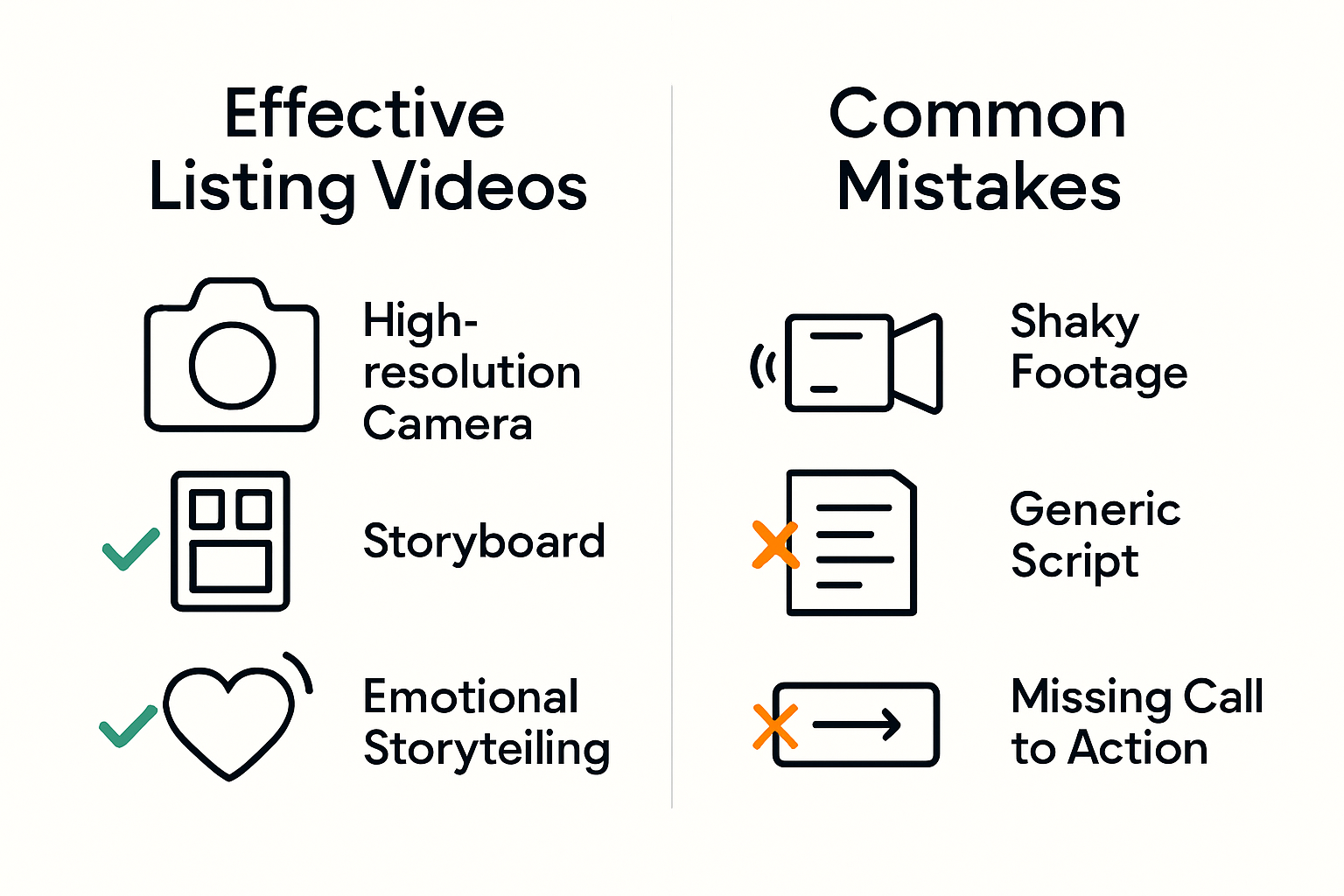
Technical quality forms the foundation of any successful listing video. This means investing in high-resolution cameras, utilizing professional-grade stabilization equipment, and ensuring optimal lighting conditions. The visual presentation must be crisp, smooth, and visually appealing, capturing the property’s most attractive features with precision and artistry. Professional videographers understand how to manipulate angles, lighting, and movement to create an immersive viewer experience that highlights a property’s unique characteristics.
The core elements of an effective listing video include:
Narrative Flow: A clear, engaging story that guides viewers through the property
Technical Precision: High-quality video and audio production
Emotional Connection: Storytelling that helps viewers imagine living in the space
Strategic Framing: Highlighting key property features and selling points
Smooth Transitions: Professional camera movements that create a seamless viewing experience
Contextual Information: Insights about the property and surrounding neighborhood
By understanding the role of storytelling in videos, businesses can create video content that not only showcases a property but also connects with potential buyers on an emotional level. The ultimate goal is to transform a simple property tour into a compelling narrative that inspires viewers to take the next step in their real estate journey.
Production Workflow and Best Practices
Developing a systematic approach to video production is crucial for creating compelling listing content. According to Content Club Chicago, best practices for real estate video production involve creating seasonal guides, annual market outlooks, and resource videos to provide valuable content to clients. This strategic method ensures consistent, high-quality video output that meets market demands.
Pre-production planning sets the foundation for successful video content. This critical phase involves thorough property research, developing a clear narrative strategy, and creating a detailed shooting script. Professional videographers carefully map out camera angles, lighting requirements, and key storytelling moments before arriving on location. The goal is to minimize production time while maximizing the visual impact and emotional resonance of the final video.

The comprehensive production workflow typically includes these essential stages:
Consultation: Initial client meeting to understand property and marketing objectives
Location Scouting: Detailed property assessment and strategic shooting plan
Equipment Preparation: Selecting appropriate cameras, lighting, and stabilization gear
Scripting: Developing a narrative flow that highlights property features
Shooting: Capturing high-quality footage with professional techniques
Post-Production: Editing, color grading, and adding contextual elements
Understanding post-production workflow can significantly elevate the final video quality. Successful real estate videography is a meticulous process that combines technical expertise, creative storytelling, and strategic marketing to transform ordinary property presentations into compelling visual narratives that engage potential buyers.
Legal Considerations for Swiss Listings
Navigating the complex landscape of legal requirements for real estate video content demands careful attention and precision. According to Horizons Legal, understanding the legal frameworks governing real estate across Switzerland is essential for ensuring compliance in property listings. This involves more than simply capturing attractive visuals; it requires a comprehensive approach to legal and ethical documentation.
Privacy regulations play a critical role in Swiss real estate video production. Videographers must obtain explicit consent from property owners and occupants before recording, carefully managing how individuals and personal spaces are represented. This includes blurring identifiable personal details, respecting individual privacy rights, and ensuring that video content does not inadvertently expose sensitive information about residents or property owners.
Key legal considerations for Swiss listings include:
Property Disclosure: Accurate representation of property features and conditions
Consent Requirements: Written permissions from property owners and residents
Data Protection: Compliance with Swiss personal information privacy laws
Copyright Considerations: Proper licensing of music, visual elements, and creative content
Intellectual Property: Protecting original video content and brand representations
Ethical Representation: Avoiding misleading or manipulative visual narratives
Complete guide to video content for property listings can help professionals navigate these complex legal landscapes. The ultimate goal is creating transparent, legally compliant video content that builds trust with potential buyers while protecting the rights and interests of all parties involved.
Common Mistakes and How to Avoid Them
Real estate video content can quickly become ineffective when creators fail to recognize critical pitfalls. According to ROI Advisers, common mistakes in real estate video marketing include neglecting to include a clear call to action and failing to provide educational content for clients. These oversights can dramatically reduce the potential impact and engagement of property listing videos.
Technical quality represents another significant area where videographers frequently stumble. Poor lighting, shaky camera work, inadequate sound design, and unflattering property angles can instantly undermine the professionalism of a video presentation. Potential buyers form quick impressions, and low-quality visual storytelling can inadvertently signal neglect or lack of attention to detail about the property itself.
The most prevalent mistakes in listing videos include:
Generic Content: Producing videos without unique property-specific narratives
Lack of Clear CTA: Failing to guide viewers toward next steps
Poor Technical Execution: Substandard video and audio production
Overlong Videos: Creating content that loses viewer attention
Missing Context: Not showcasing neighborhood or property environment
Ignoring Target Audience: Producing content without specific buyer personas
By understanding the role of storytelling in videos, professionals can transform potential pitfalls into compelling visual experiences. The key is developing a strategic approach that combines technical precision, emotional resonance, and clear communication objectives.
Elevate Your Property Listings with Expert Video Production
Struggling to create real estate videos that truly capture the essence of your listings and connect emotionally with potential buyers The challenges of technical precision, storytelling flow, and legal compliance can make producing effective video content feel overwhelming Tulip Films specializes in transforming these complexities into compelling visual narratives tailored to your Swiss property market. We focus on high-quality production, smooth camera work, and engaging storytelling that highlights your property’s unique features and neighborhood charm
Partnering with Tulip Films means getting a bespoke approach that understands your marketing objectives and accelerates client decision making From drone footage to client testimonial videos, our portfolio demonstrates our expertise across all real estate video types See how professional storytelling can make your listings stand out by visiting Tulip Films.
Start your journey to impactful property videos today by planning a free consultation and exploring our full range of audiovisual services at https://tulipfilms.ch
Discover the art of video storytelling for real estate at Complete Guide to Video Content for Listings to learn how our strategic production workflow ensures every frame counts
Visual proof matters experience it firsthand with Tulip Films
Unlock the full potential of your property listings with our expert advice and personalized video solutions Contact us now at Tulip Films for a free consultation and make your listings unforgettable
Frequently Asked Questions
What is video content for listings in real estate?
Video content for listings is a visual storytelling tool that showcases properties through video, providing immersive experiences that static images cannot replicate. It allows potential buyers to virtually explore spaces and understand a property’s layout and features.
What are the key types of listing videos?
Key types of listing videos include property tours, agent introduction videos, client testimonials, neighborhood guides, virtual staging videos, and drone footage. Each type serves a unique purpose in helping potential buyers or renters connect with properties.
What are the core elements of effective real estate listing videos?
Core elements of effective listing videos include narrative flow, technical precision, emotional connection, strategic framing, smooth transitions, and contextual information about the property and surrounding area.
What common mistakes should be avoided when creating real estate videos?
Common mistakes include producing generic content without specific narratives, lacking a clear call to action, poor technical execution, creating overly long videos, missing context about the neighborhood, and ignoring the intended target audience.
Recommended
