7 Video Production Tips to Enhance Real Estate Showcases

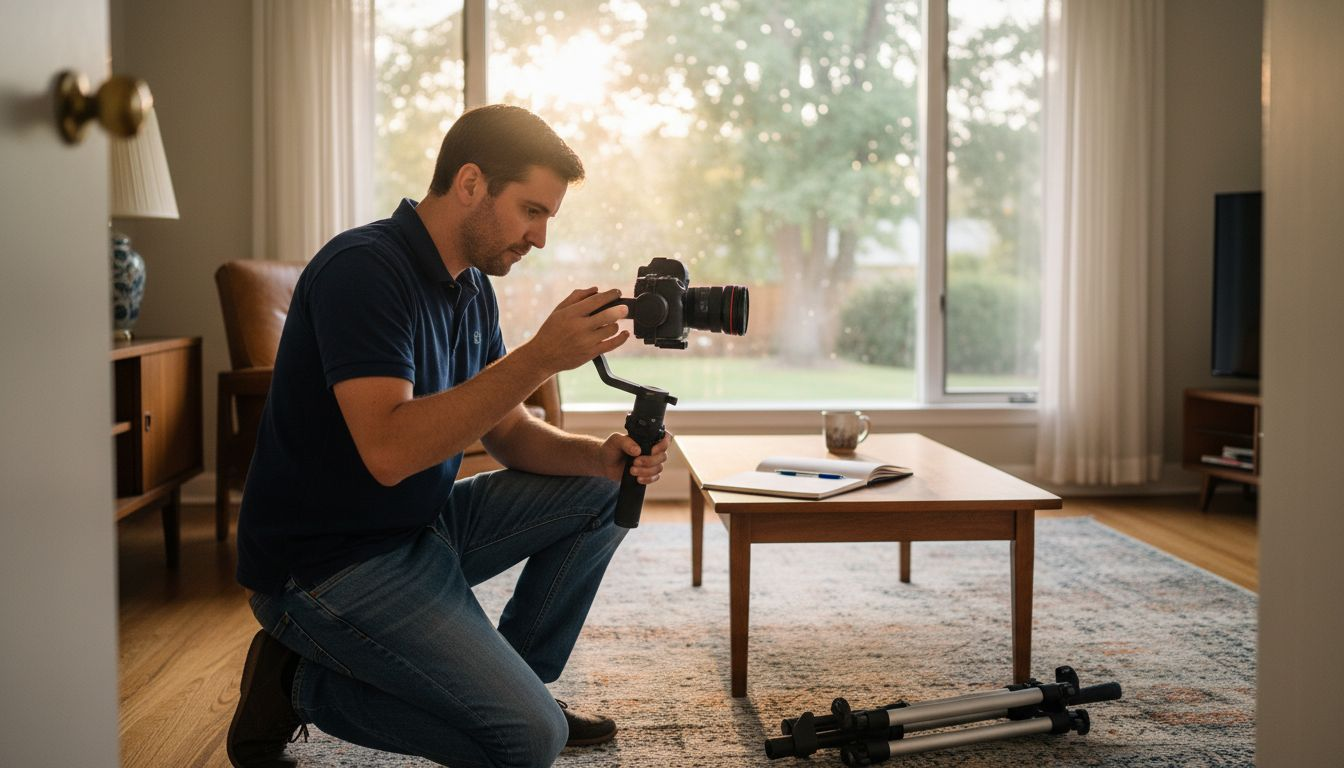
Most Geneva property listings blend together, but studies show that listings using American video production techniques receive up to 40 percent more online inquiries. In a competitive Swiss market, marketing managers need standout visuals and captivating storytelling to attract potential buyers quickly. This guide reveals actionable tips inspired by American best practices, so your real estate videos can transform every viewing into an engaging experience that sets your agency apart.
Table of Contents
Quick Summary
Takeaway | Explanation |
1. Invest in Professional Equipment | Quality cameras and accessories enhance property video appeal and capture unique features. |
2. Plan Storyboards for Clarity | Use storyboarding to organize scenes and highlight selling points, ensuring a coherent narrative for viewers. |
3. Optimize Lighting for Atmosphere | Effective lighting techniques enhance property features and create inviting visuals to attract buyers. |
4. Prioritize High-Quality Audio | Crystal clear audio ensures your message resonates; invest in good microphones and editing software. |
5. Incorporate Branding Elements | Adding branding reinforces your agency’s identity and distinguishes your videos in the marketplace. |
1. Choose the Right Camera and Equipment
Crafting compelling real estate videos starts with selecting professional grade equipment that transforms ordinary property showcases into extraordinary visual experiences. Investing in the right camera and accessories is not just about technical specifications but about capturing the essence and potential of each unique space.
When approaching real estate video production, understanding camera capabilities becomes crucial. Modern professional cameras offer remarkable features designed specifically for creating high quality visual narratives. Professional video cameras now include digital models with large sensors, advanced HD video capabilities, and impressive image stabilization that can dramatically enhance property presentations.
For real estate marketing, mirrorless and DSLR cameras with 4K video capabilities provide the most versatile options. These cameras deliver exceptional image quality while remaining portable enough to navigate interior spaces smoothly. Look for models with wide angle lenses that can capture entire rooms without distortion, showing potential buyers the full scope of a property.
Key camera features to prioritize include:
Sensor Size: Larger sensors capture more light and detail
Resolution: 4K video provides crisp, professional looking footage
Lens Flexibility: Interchangeable lenses allow adapting to different shooting environments
Image Stabilization: Reduces shakiness during handheld property tours
Pro tip: Rent professional equipment before purchasing to test different camera models and understand which features best suit your specific real estate video production needs.
2. Plan the Storyboard for Each Property
Transforming a property into an engaging video narrative requires strategic planning through storyboarding. This pre-production technique helps you map out every visual element before picking up a camera, ensuring your real estate showcase captures potential buyers imagination.
Storyboarding is more than sketching random scenes. Creating a visual blueprint involves meticulously outlining the property story through intentional camera shots and scene sequences. By specifying character positions, camera angles, and precise timing between shots, you create a comprehensive guide that communicates your vision to the entire production team.
A comprehensive property storyboard should include:
Room Sequence: Logical flow showcasing property layout
Camera Movements: Smooth transitions between spaces
Highlight Moments: Unique architectural features or selling points
Emotional Journey: Creating narrative that connects viewers to space
Start by sketching basic scenes that walk viewers through the property. Identify key selling points such as natural light, spacious rooms, or unique design elements. Each scene should have a purpose transitioning potential buyers through the property experience.
Pro tip: Develop your storyboard using digital tools or simple hand drawn sketches that map out camera angles and property highlights in advance of filming.
3. Use Lighting to Highlight Property Features
Lighting transforms ordinary property videos from mundane recordings into captivating visual stories that draw potential buyers into the space. Understanding how to manipulate light can dramatically enhance the perceived value and emotional appeal of a property.
Three-point lighting techniques provide a professional approach to illuminating interior spaces. This method involves strategically placing three light sources to create depth, minimize unflattering shadows, and showcase architectural details. The key light establishes primary illumination, the fill light softens harsh shadows, and the backlight creates separation and dimension.
When filming real estate videos, consider these essential lighting strategies:
Natural Light Optimization: Shoot during golden hours for warm, inviting illumination
Shadow Management: Use fill lights to reduce harsh contrasts
Color Temperature Control: Match lighting to the property’s natural ambiance
Highlight Architectural Features: Direct light to emphasize unique design elements
Different rooms require unique lighting approaches. Bright kitchens might need cooler, crisp lighting, while living areas benefit from warmer, softer tones that create a sense of comfort and welcome. Pay attention to how light interacts with surfaces like hardwood floors, marble countertops, and large windows.
Pro tip: Invest in adjustable LED lights with variable color temperatures to quickly adapt your lighting setup for different property styles and times of day.
4. Optimize Audio for Clear Communication
Audio quality can make or break a real estate video showcase, transforming a potentially forgettable presentation into a compelling narrative that resonates with potential buyers. Professional sound recording ensures your property’s story is heard with crystal clarity.
Digital audio techniques provide sophisticated tools for capturing and refining sound quality. Understanding audio fundamentals like sampling rates and bit depth allows you to produce professional grade recordings that eliminate background noise and highlight your property’s most attractive features.
Key audio optimization strategies include:
Microphone Selection: Choose directional microphones to reduce ambient noise
Noise Reduction: Apply software filtering to eliminate unwanted background sounds
Consistent Volume: Maintain balanced audio levels throughout the video
Clean Narration: Use clear enunciation and professional voiceover techniques
Consider recording narration in quiet spaces with minimal echo. Rooms with soft furnishings like carpets and curtains naturally absorb sound, creating optimal recording environments. Professional audio editing software can further enhance voice clarity and remove subtle background interruptions.
Pro tip: Invest in a quality lavalier microphone and practice your narration script multiple times to ensure smooth, natural delivery with consistent tone and pace.
5. Capture Dynamic Angles With Drone Footage
Drone technology has revolutionized real estate video production, offering unprecedented visual perspectives that transform property showcases from mundane to magnificent. These flying cameras provide potential buyers with immersive experiences that traditional ground level filming simply cannot match.
Advanced drone imaging techniques enable semantic scene understanding through high resolution aerial perspectives. By capturing expansive property views and contextual locations, drones deliver comprehensive visual narratives that highlight a property’s most compelling features.
Key strategies for exceptional drone footage include:
Varied Flight Paths: Capture sweeping exterior views and unique architectural angles
Altitude Variation: Showcase property scale from different elevations
Smooth Movements: Use gentle camera movements to create cinematic experiences
Contextual Framing: Highlight neighborhood and landscape surrounding the property
When planning drone shots, consider the property’s unique characteristics. Landscape properties benefit from wide aerial views that demonstrate terrain and positioning. Urban properties might require more precise, controlled movements that emphasize architectural details and proximity to local amenities.
Pro tip: Practice drone movements beforehand and create a detailed flight plan to ensure smooth, professional looking footage that tells a compelling property story.
6. Edit Professionally for a Polished Final Cut
Transforming raw property footage into a compelling visual story requires strategic and skillful video editing. The magic happens in post-production, where scattered clips become a seamless narrative that captures potential buyers imagination.
Video editing techniques serve as the critical bridge between capturing footage and delivering a professional property showcase. Professional editors balance visual continuity, audio clarity, and precise timing to maintain viewer engagement and highlight a property’s most attractive features.
Key professional editing strategies include:
Smooth Transitions: Create fluid movement between scenes
Color Grading: Enhance visual appeal and maintain consistent aesthetic
Pacing Control: Maintain viewer interest through strategic clip lengths
Audio Synchronization: Align narration and background sounds perfectly
Focus on creating a narrative arc that guides viewers through the property. Start with an engaging establishing shot, build momentum through interior spaces, and conclude with a memorable final view that leaves a lasting impression. Consider using subtle motion graphics or text overlays to highlight key property details without overwhelming the visual experience.
Pro tip: Practice the 80/20 rule in editing: spend 80% of your time on the first 20% of your edit to establish a strong foundation for the entire video.
7. Add Branding Elements to Increase Impact
Branding transforms ordinary real estate videos into powerful marketing tools that communicate your professional identity and unique value proposition. Strategic visual elements create memorable experiences that distinguish your property showcases from competitors.
Brand marketing strategies connect emotionally with potential clients, building trust and driving engagement through consistent visual storytelling. By integrating distinctive design elements, you transform a simple property video into a compelling narrative that reflects your agency’s professionalism.
Key branding elements to incorporate include:
Logo Placement: Subtle yet strategic watermarks or introductory screens
Color Consistency: Matching color schemes across video graphics
Typography: Uniform text styles reflecting brand personality
Graphic Overlays: Informative animations that reinforce brand identity
Think of your video as a visual business card. Every graphic element should communicate your brand values and create a cohesive visual experience. Consider developing a consistent motion graphics template that can be easily adapted across different property showcases.
Pro tip: Create a brand style guide specifically for video production to ensure all team members maintain visual consistency across property showcase videos.
Below is a comprehensive table summarizing the key strategies, techniques, and equipment choices for creating high-quality real estate videos as outlined in the article.
Topic | Key Details | Benefits/Outcomes |
Camera Selection | Use professional-grade cameras and lenses to ensure high-quality visuals. | Enhanced image and video clarity showcasing property aesthetics. |
Storyboarding | Plan shot sequences, camera movements, and storytelling in advance. | Organized and visually compelling narratives for viewer engagement. |
Lighting Techniques | Apply strategic lighting methods and optimize natural light during filming. | Improved visual appeal and emphasis on property features. |
Audio Optimization | Record clear narration using quality microphones in acoustically suitable areas. | Higher sound quality and better communication of property details. |
Drone Footage Capture | Use drones to film unique and dynamic aerial perspectives. | Scenic views providing comprehensive understanding of property layout. |
Expert Video Editing | Edit footage for smooth transitions, consistent pacing, and polished visuals. | Enhanced continuity and professional-quality video presentation. |
Branding Integration | Incorporate logos, color schemes, and consistent typography into videos. | Strengthened brand identity and increased marketing impact. |
Elevate Your Real Estate Videos with Expert Production Solutions
Creating captivating real estate videos involves mastering complex challenges like selecting the right equipment, planning detailed storyboards, optimizing lighting, capturing dynamic drone footage, and polished editing. These crucial steps ensure your property stands out and connects emotionally with potential buyers. If you want to remove the guesswork and avoid technical pitfalls like poor lighting or shaky shots you can rely on specialized professionals who understand these key concepts such as sensor size, three-point lighting, digital audio techniques, and cinematic pacing.
At Tulip Films we bring these essential real estate video production tips to life with our personalized approach and commitment to quality. Whether you need dynamic drone footage or carefully crafted branding elements for your property showcase our Swiss-based team ensures every visual narrative highlights your unique value while engaging your audience effectively. Experience faster turnaround times and bespoke storytelling by exploring our portfolio and services directly at Tulip Films
Have questions about elevating your property marketing through stunning video content Start your journey with a free consultation to discover how our professional methods can transform your real estate showcases today
Visit Tulip Films now and bring expert craftsmanship to your next real estate video project. Don’t let your property’s story go untold. Connect with us and create impressive videos that inspire action.
Frequently Asked Questions
What type of camera is best for real estate video production?
Using a mirrorless or DSLR camera with 4K video capabilities is ideal for real estate video production. These cameras provide excellent image quality and versatility, making them suitable for navigating various interior spaces.
How can I effectively storyboard my real estate video?
To effectively storyboard your real estate video, outline each scene with key details like room sequence and camera movements. This helps ensure a logical flow and captures important selling points in a way that keeps potential buyers engaged.
What lighting techniques should I use for real estate video?
Using three-point lighting techniques can dramatically enhance your real estate video. Position key lights to highlight important features, use fill lights to soften shadows, and add backlighting to create depth in your shots.
How do I ensure good audio quality in my video?
To ensure good audio quality in your real estate video, choose directional microphones to minimize ambient noise and keep consistent volume levels throughout. Additionally, consider recording narration in sound-absorbing environments for clearer delivery.
What are the benefits of using drone footage in real estate videos?
Drone footage provides unique aerial perspectives that can showcase properties in a way that traditional filming cannot. Incorporate varied flight paths and altitude changes to create visually stunning presentations that emphasize the property’s scale and surroundings.
How can I brand my real estate video effectively?
To brand your real estate video effectively, incorporate elements like your logo, consistent color schemes, and styled text. This establishes a cohesive visual identity that enhances brand recognition and differentiates your property presentations from others.
Recommended
