Wedding Video Creation Process: Capture Memorable Moments

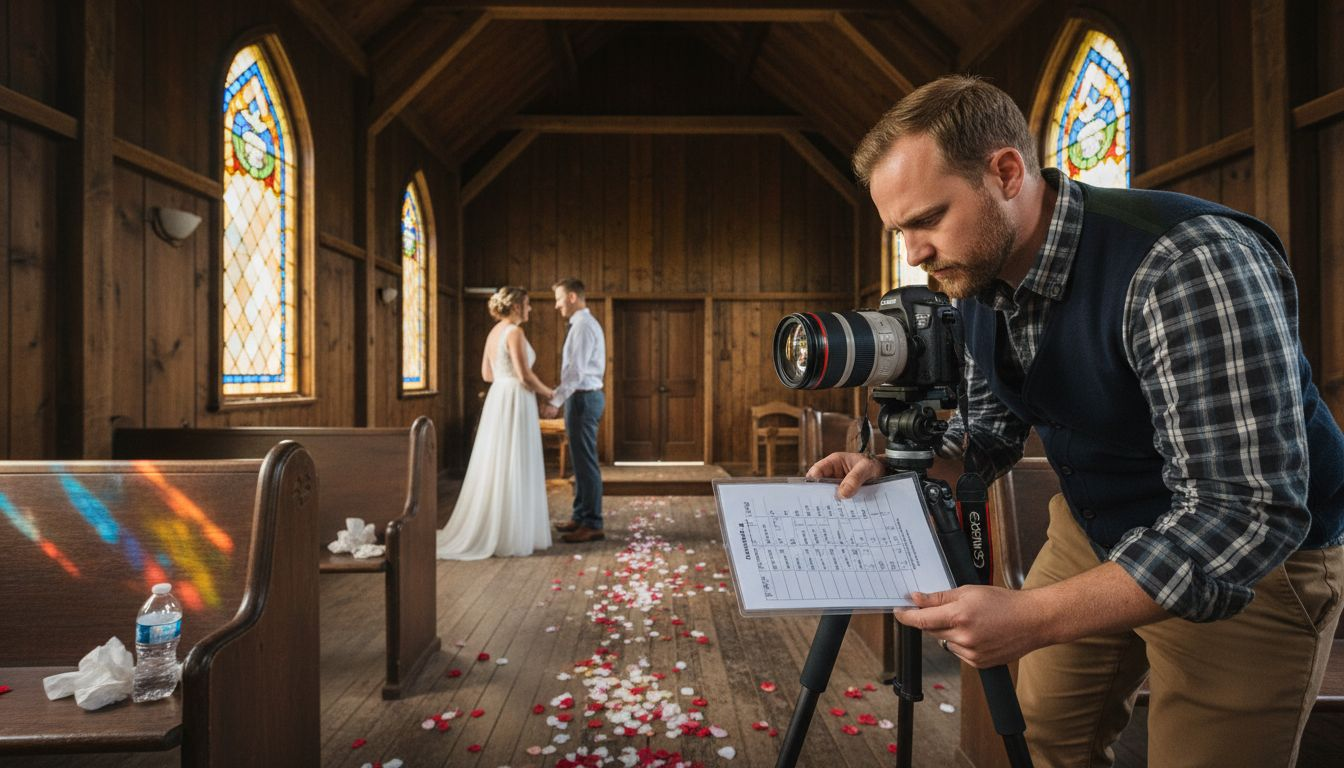
Finding the right way to capture your wedding can feel just as important as choosing the venue or guest list. For engaged couples in Switzerland, a thoughtfully crafted wedding video does more than record events—it preserves authentic moments that reflect your true personalities and style. Defining your wedding video goals and style from the very start sets a clear vision for a cinematic keepsake, turning fleeting emotions into vivid memories you will cherish for a lifetime.
Table of Contents
Quick Summary
Key Insight | Explanation |
1. Define video goals and style | Discuss preferences with your partner to align on the ideal video style, whether cinematic or documentary, reflecting your relationship. |
2. Plan essential shots and logistics | Create a detailed shot list and timeline with your videographer to ensure all key moments are captured smoothly and cohesively. |
3. Edit for narrative and emotion | Choose an experienced editor to create a cinematic story from your footage, focusing on emotional highlights and smooth transitions. |
4. Review final video thoroughly | Schedule a review session to ensure the finished product meets your expectations and includes all critical moments and emotional narratives. |
5. Understand delivery options | Evaluate various delivery methods, such as digital downloads or cloud storage, to ensure long-term accessibility and security of your wedding video. |
Step 1: Define wedding video goals and style
Defining your wedding video goals and style sets the foundation for capturing your most precious memories. This critical first step transforms your wedding documentation from a simple recording to a personalized storytelling experience that reflects your unique relationship.
Start by having an honest conversation with your partner about what matters most. Some couples prefer cinematic storytelling techniques that create a dramatic narrative, while others want a more documentary-style approach that captures authentic moments. Consider your personalities together: Are you traditionally romantic? Adventurous? Playful? Your video style should mirror these characteristics.
Reflect on the key moments you want highlighted. This might include getting ready with your wedding party, first look interactions, ceremony highlights, reception dancing, or special family connections. Discuss with your videographer how they can capture these moments in a way that feels true to your vision. Some couples prefer candid, spontaneous shots, while others want more staged and polished sequences.
Pro tip: Create a mood board or Pinterest collection showcasing wedding video styles you love to help communicate your vision effectively to your videographer.
Here’s a quick comparison of popular wedding video styles to help guide your decision:
Video Style | Visual Tone | Storytelling Approach |
Cinematic | Dramatic, artistic | Emphasizes narrative arcs |
Documentary | Natural, candid | Chronological real moments |
Traditional | Formal, classic | Focuses on main events |
Adventure/Modern | Energetic, bold | Dynamic scenes and editing |
Step 2: Plan essential shots and logistics
Planning your wedding video shots and logistics is crucial for capturing every meaningful moment of your special day. This step transforms your wedding video from a random collection of clips into a cohesive, emotional narrative that tells your unique love story.

Prepare a comprehensive shot list that covers all critical moments. Professional wedding videographers recommend capturing preparation scenes, candid interactions, ceremony highlights, and reception celebrations. Break down your shot list into key segments: getting ready (bride and groom separately), first look, ceremony details, family portraits, couple portraits, reception events like first dance, toasts, and dancing. Consider creating a timeline with your videographer that outlines exactly when and where these shots will happen.
Coordinate closely with your wedding photographer and videographer to ensure smooth logistics. Discuss camera placement, potential backup equipment, lighting conditions, and any specific shots you want prioritized. Some couples prefer multiple camera angles to capture different perspectives, while others might want a more intimate single camera approach. Communicate your preferences clearly and allow professionals to offer expert recommendations based on your venue and wedding style.
Pro tip: Schedule a final walkthrough with your videography team one week before the wedding to confirm all logistical details and shot preferences.
Step 3: Prepare equipment and filming setup
Preparing the right equipment and filming setup is essential for creating a wedding video that captures every magical moment with professional quality. This step transforms your wedding videography from amateur footage to a cinematic memory you will treasure for years.
Professional wedding videography equipment requires careful selection and preparation. Choose cameras with excellent 4K resolution and superior low light performance, along with multiple audio recording devices like wireless lavalier microphones and backup shotgun microphones. Invest in stabilization gear such as gimbals and tripods to ensure smooth, professional looking footage. Consider bringing multiple camera bodies to capture different angles simultaneously and have backup storage media and batteries to prevent any potential recording interruptions.
Work closely with your videography team to understand the specific technical requirements of your wedding venue. Discuss lighting conditions, potential challenges with space or movement, and create a comprehensive equipment checklist that addresses potential scenarios. Some venues might require specialized audio equipment or additional lighting setups, so a detailed pre event consultation can help you anticipate and resolve technical challenges before your big day.
Pro tip: Conduct a full equipment test and practice run at a location similar to your wedding venue to identify and resolve any potential technical issues in advance.
Step 4: Film key moments and candid scenes
Capturing the authentic essence of your wedding day requires a delicate balance between planned shots and spontaneous moments. This step is about creating a wedding video that tells a genuine, emotional story of your celebration.
Focus on both structured and unscripted moments throughout your wedding day. Plan to capture traditional key scenes like the wedding processional, ring exchange, and first kiss while also staying alert for unexpected emotional interactions. Position your videographers strategically to catch genuine reactions from parents, siblings, and friends. Candid shots often become the most treasured memories your video will preserve.
Encourage your videography team to be observant and creative. They should move quietly and discreetly, blending into the background to capture natural interactions without interrupting the flow of your wedding. Look for moments of laughter, tears, quiet conversations, and spontaneous dance floor interactions that reveal the true spirit of your celebration. Your goal is a wedding video that feels like a true narrative of your special day, not just a series of staged photographs.
Pro tip: Designate a few trusted wedding party members to subtly signal your videographers about potential candid moments as they unfold.
Step 5: Edit and polish the wedding footage
Editing transforms your raw wedding video into a cinematic story that captures the true emotion and magic of your special day. This crucial phase turns hours of footage into a beautifully crafted narrative that you will treasure for generations.
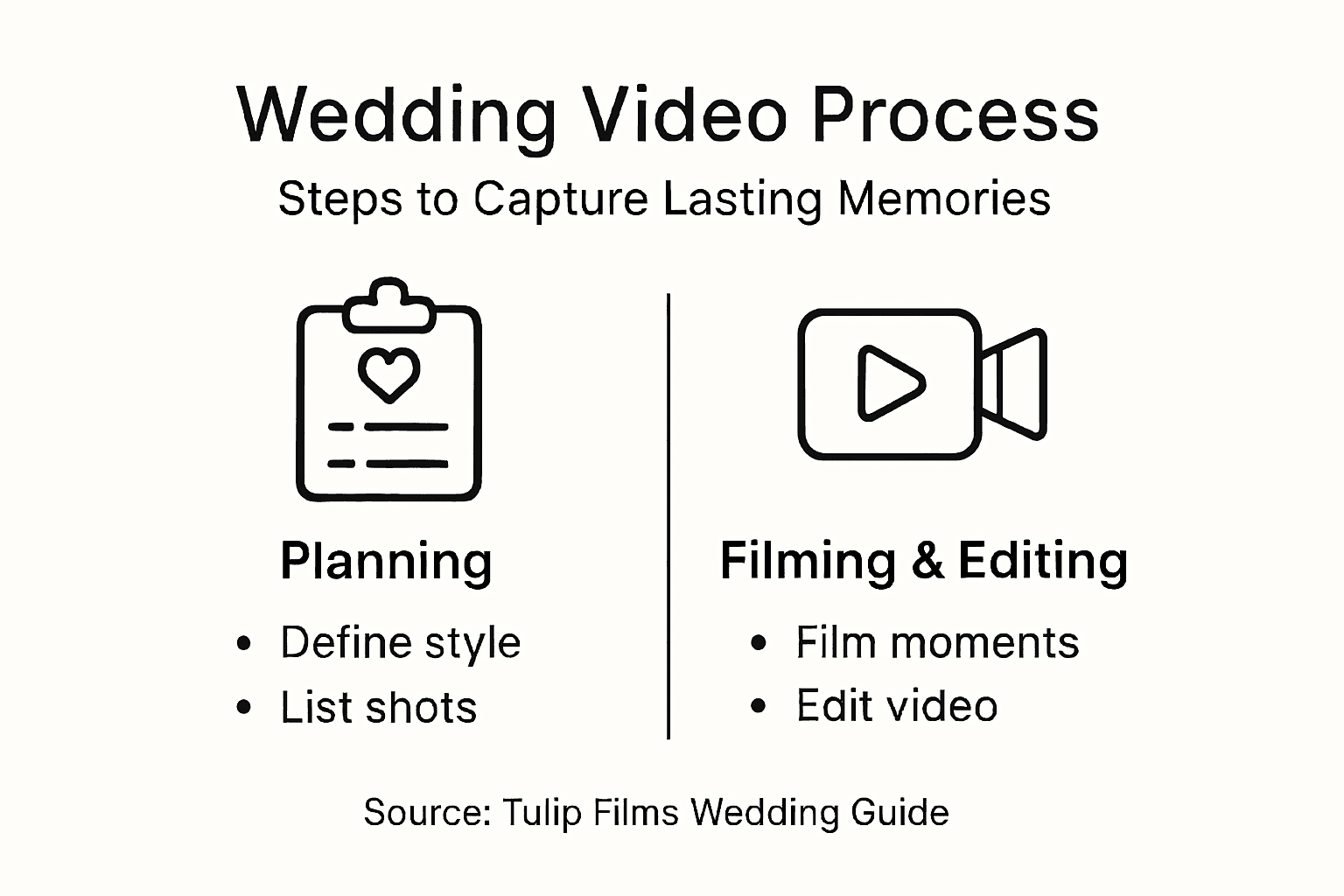
Professional wedding video editing involves carefully selecting the most meaningful moments and creating a seamless narrative flow. Begin by organizing all raw footage chronologically and reviewing each clip for emotional impact and visual quality. Focus on capturing genuine interactions subtle glances between you and your partner, unexpected moments of joy, and heartfelt reactions from family and friends. Color correction, audio enhancement, and thoughtful pacing will elevate your video from simple documentation to a true cinematic experience.
Select an experienced editor who understands storytelling and can create a balanced emotional journey. The best wedding videos blend technical precision with creative sensitivity. This means knowing when to use slow motion for dramatic effect, how to transition between scenes smoothly, and which audio elements to emphasize. Your goal is a video that feels natural and authentic while highlighting the most significant moments of your celebration.
Pro tip: Request multiple draft versions from your editor and watch them together to ensure the final product truly reflects your vision and emotional experience.
Step 6: Review and deliver the finished video
Reviewing and delivering your wedding video marks the culmination of your entire videography journey. This final step transforms your carefully crafted visual story into a tangible memory you will share with family and friends for years to come.
Schedule a comprehensive review session with your videographer to ensure every detail meets your expectations. Watch the entire video together, paying attention to emotional flow, critical moments, and overall narrative cohesion. Wedding video delivery platforms offer sophisticated options for presenting your final product. Consider platforms that provide high-quality streaming, lifetime access, and easy sharing capabilities across multiple devices.
Work with your videographer to select the most appropriate delivery method. This might include digital downloads, personalized USB drives, online streaming links, or even beautifully packaged physical albums. Make sure you receive multiple backup copies and understand the long-term storage options for your precious memories. Some couples opt for cloud storage solutions or archival grade digital preservation to ensure their wedding video remains safe and accessible for future generations.
Pro tip: Request a digital preservation strategy from your videographer to protect your wedding video against potential technological changes and storage media degradation.
Below is a summary of essential wedding video delivery options and their key benefits:
Delivery Method | Accessibility | Long-Term Security |
Digital download | Immediate, portable | Relies on local backup |
Online streaming | Viewable anywhere | May require recurring hosting |
USB drive | Easy to gift/share | Vulnerable to physical damage |
Cloud archival | Accessible anytime | Safe from hardware failure |
Bring Your Wedding Video Vision to Life with Tulip Films
Capturing your wedding day exactly as you imagined requires professional expertise and a personalized touch. The challenges of defining your wedding video style, planning every essential shot, preparing advanced equipment, and crafting a heartfelt edit can be overwhelming. At Tulip Films, we understand these crucial steps—whether you want cinematic storytelling or candid documentary-style footage, we tailor our approach to reflect your unique love story.
Why trust Tulip Films?
Comprehensive filming setup ensures no moment is missed
Collaborative planning to highlight the moments that mean the most to you
Expert editing that transforms raw footage into cinematic memories

Ready to capture your wedding memories with unmatched quality and care? Visit Tulip Films to explore our portfolio and book your free consultation today. Discover how our custom solutions bring your wedding video goals to life. Start planning a video you and your family will cherish forever by connecting with us now.
Frequently Asked Questions
How do I define my wedding video goals and style?
To define your wedding video goals and style, start by discussing with your partner what is most important to you. Consider key elements such as the type of storytelling you want, whether it be cinematic or documentary, and create a mood board to visually communicate your vision to your videographer.
What essential shots should I plan for my wedding video?
Prepare a comprehensive shot list that includes crucial moments like getting ready, the first look, ceremony highlights, and reception celebrations. Work with your videographer to outline a timeline for these shots, ensuring every significant moment is captured throughout the day.
How can I ensure the right equipment is prepared for my wedding video?
To ensure the right equipment is ready, discuss technical requirements with your videography team based on your venue. Create a checklist of necessary items, like cameras with high resolution, audio recording devices, and stabilization gear, to avoid any issues on your wedding day.
How do I balance planned shots and candid scenes during filming?
Focus on capturing both structured moments, like the ceremony, and spontaneous interactions throughout the day. Encourage your videographers to blend into the background, allowing them to capture genuine reactions and candid moments that will enhance the storytelling of your wedding video.
What should I look for while reviewing the finished wedding video?
During the review, pay attention to the emotional flow and narrative cohesion of the video. Ensure all critical moments are effectively captured and discuss any changes with your videographer to make adjustments before finalizing the product.
How can I preserve my wedding video for the long term?
To ensure your wedding video remains accessible for years to come, consider using cloud storage solutions or archival-grade digital preservation methods. Work with your videographer on a digital preservation strategy to protect against technological changes and storage degradation.
Recommended
