What Is Sports Videography and Why It Matters

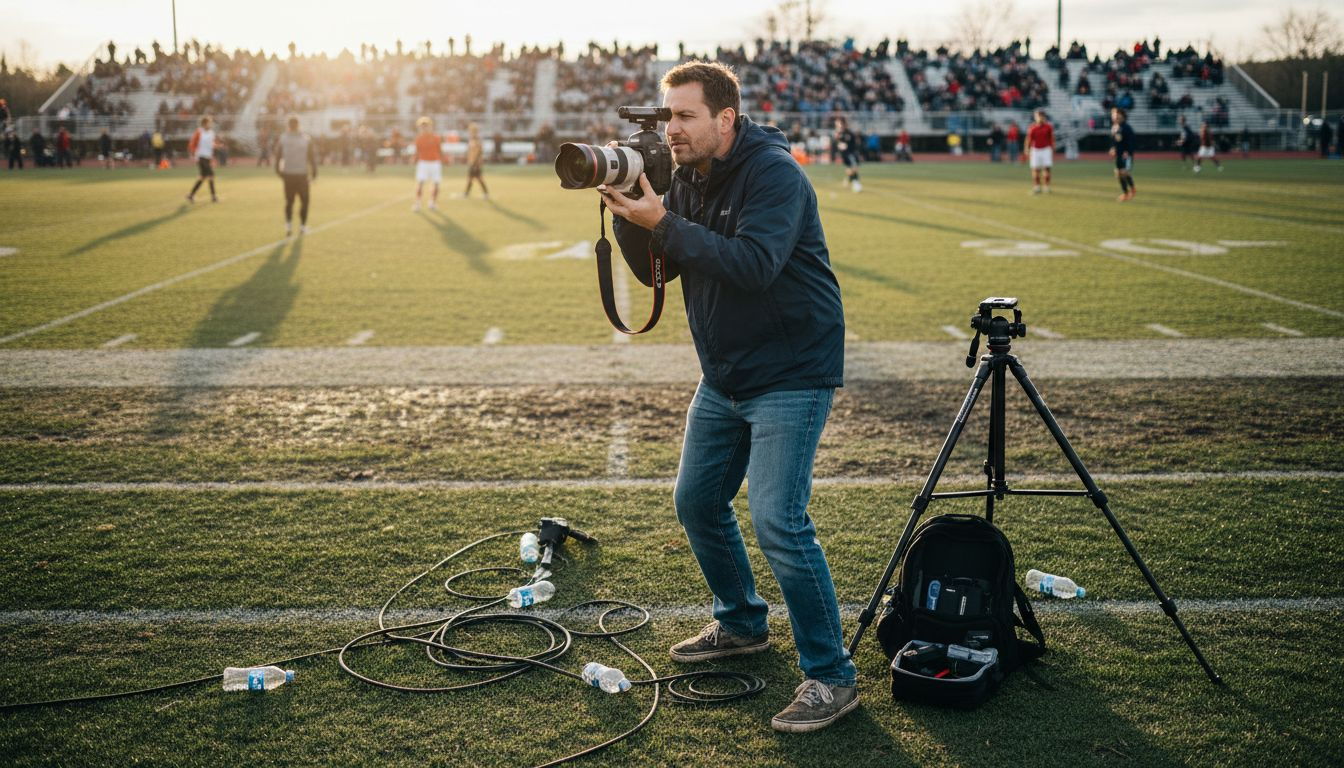
Most Swiss sports teams underestimate how american-style sports videography can redefine audience engagement and drive promotional success. More than 80 percent of event organizers globally now consider professional video content essential for reaching new fans and sponsors. In Switzerland, the right video approach captures every thrilling moment and emotional highlight, ensuring local competitions feel as dynamic and captivating as any American event. Discover the creative techniques and specialized equipment that turn ordinary sports action into stories fans never forget.
Table of Contents
Key Takeaways
Point | Details |
Specialized Skills are Essential | Sports videography requires a mix of technical prowess and creative vision to capture nuanced athletic performances. |
Diverse Videography Types | Various approaches, such as live coverage and scientific documentation, cater to different audiences and purposes. |
Audience Engagement is Key | Modern strategies must create interactive and immersive experiences, transforming viewers into active participants. |
Legal Considerations Matter | Videographers must understand copyright and image rights, ensuring proper permissions for content use and distribution. |
Defining Sports Videography and Its Role
Sports videography represents a specialized field of visual storytelling that transforms athletic performances into compelling narratives through strategic video documentation. Unlike standard recording techniques, sports videography requires precise technical skills and deep understanding of athletic movements, camera dynamics, and emotional storytelling. Sports video analysis techniques have evolved significantly, enabling professionals to capture not just the action, but the nuanced emotions and dramatic moments inherent in athletic competitions.
At its core, sports videography involves capturing dynamic sporting events through sophisticated camera work that highlights athletes’ skills, team strategies, and the raw energy of competition. Videographers must anticipate movements, understand sporting rhythms, and position equipment strategically to capture split-second moments of excellence. The field demands technical proficiency in equipment handling, an intuitive sense of athletic performance, and the creative vision to transform physical actions into engaging visual stories that resonate with audiences.
The role of sports videography extends far beyond mere documentation. These visual professionals serve multiple critical functions across training, promotion, analysis, and entertainment. Coaches use video recordings to analyze player techniques, athletes review performance details, marketing teams create promotional content, and fans experience immersive replays of memorable moments. Modern sports videography integrates advanced technologies like slow-motion capture, multi-angle recording, and real-time tracking to provide unprecedented insights into athletic performances.
Pro tip: When planning sports video production, always scout the location beforehand and understand the specific lighting, movement patterns, and key action zones to optimize your camera positioning and capture strategy.
Types of Sports Videography Explained
Sports videography encompasses diverse approaches tailored to specific objectives and audiences. Various types of sports video documentation range from live event coverage to scientific research and promotional media, each requiring unique technical skills and creative strategies. These specialized categories address different needs within the sports communication ecosystem.
Five primary types of sports videography stand out in professional practice. Live Event Coverage involves real-time recording of sporting competitions, capturing dynamic action, athlete performances, and crowd reactions. Training and Performance Analysis focuses on detailed documentation for coaches and athletes, using slow-motion and multi-angle techniques to analyze technical movements. Promotional and Marketing Videos create compelling narratives that highlight team achievements, athlete stories, and organizational brand identity. Scientific Research Documentation provides precise visual records for biomechanical studies, athletic performance research, and sports medicine investigations. Documentary and Storytelling videography explores deeper narratives, revealing personal journeys, team histories, and the human stories behind athletic achievements.
Each sports videography type demands specialized equipment, technical expertise, and creative approaches. High-end cameras, stabilization systems, drone technology, and advanced editing software enable videographers to capture increasingly sophisticated visual narratives. The evolution of sports videography reflects technological advancements and changing audience expectations, transforming how sports stories are told and experienced across different media platforms.
Here’s a quick look at the core differences among sports videography types:
Videography Type | Primary Purpose | Typical Audience | Key Techniques |
Live Event Coverage | Real-time game recording | Fans, broadcasters | Multi-angle, crowd shots |
Training & Performance Analysis | Technique improvement | Coaches, athletes | Slow motion, analysis |
Promotional & Marketing Videos | Brand and team promotion | Sponsors, general public | Narrative, highlights |
Scientific Research Documentation | Data for research | Scientists, analysts | Consistent angles, timestamps |
Documentary & Storytelling | Human interest storytelling | General public, fans | Interviews, archival footage |
Pro tip: Invest in versatile camera equipment that allows quick configuration between different shooting modes and can handle rapid motion and varying light conditions to maximize your sports videography capabilities.
Essential Techniques and Equipment Used
Sports videography demands a sophisticated blend of technical expertise and artistic vision. Professional sports videography techniques encompass a range of specialized skills that transform raw athletic performances into compelling visual narratives. Mastering these techniques requires an intricate understanding of motion, timing, and creative visual storytelling.
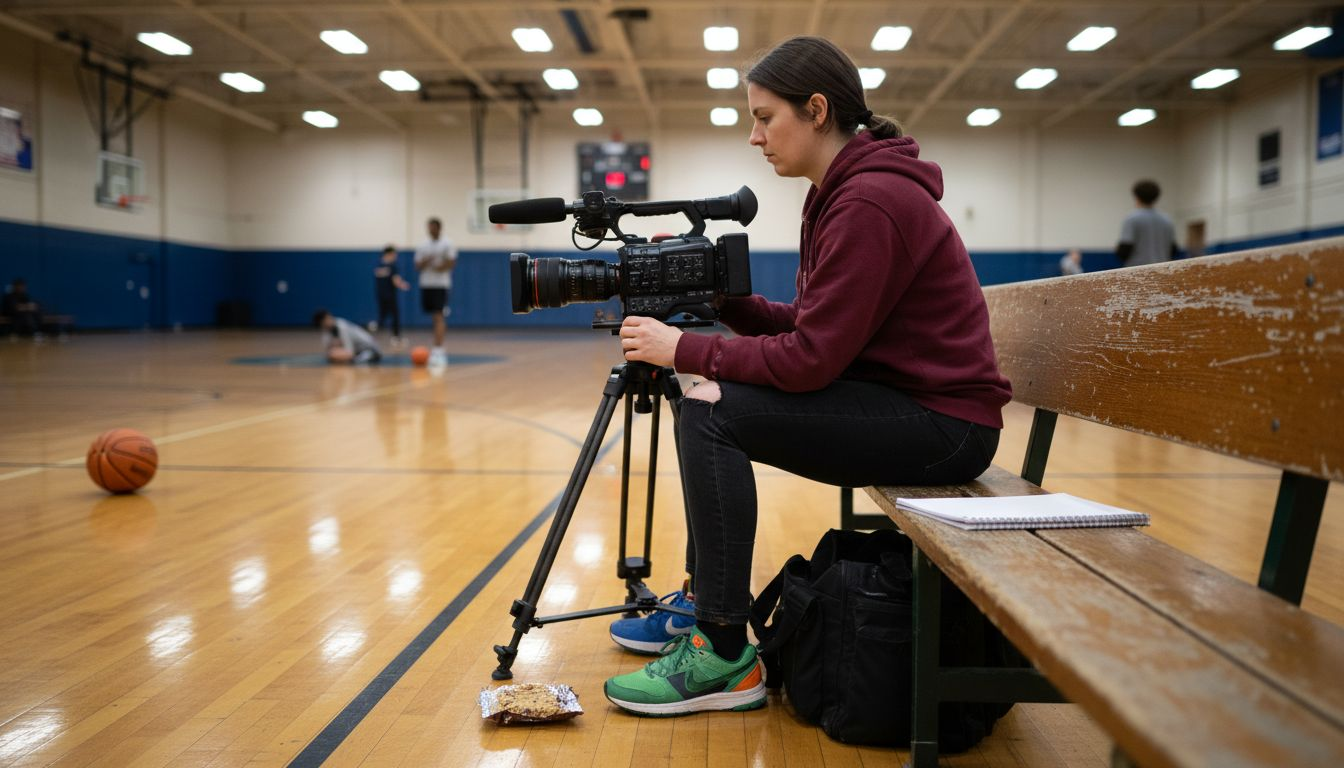
The equipment arsenal for sports videography is complex and highly specialized. Camera Systems represent the foundation, with professional-grade DSLR and mirrorless cameras offering high-speed capture capabilities and exceptional image quality. Lens selection becomes critical - telephoto lenses enable tight action shots from a distance, while wide-angle lenses capture expansive field perspectives. Stabilization Equipment like professional gimbals and advanced tripods ensure smooth tracking of rapid movements, eliminating unwanted camera shake. Sound recording gear, including directional microphones, captures ambient game sounds and athlete interactions, adding depth to the visual experience.
Key technical techniques define exceptional sports videography. Panning allows smooth horizontal tracking of moving athletes, maintaining subject focus during dynamic sequences. Burst Shooting captures split-second moments of athletic excellence, providing editors multiple frames to select the most impactful image. Perspective Shifting involves strategic camera positioning to reveal unique angles - ground-level shots for intense player interactions or elevated perspectives for comprehensive field views. Post-production skills become equally important, with color grading, slow-motion effects, and precise editing transforming raw footage into engaging visual stories that capture the emotional essence of sporting events.
Pro tip: Invest in multiple camera bodies with identical settings to enable simultaneous multi-angle capturing, ensuring you never miss a crucial moment during sports events.
Maximizing Audience Engagement With Video
Sports videography has transformed from passive documentation to an interactive storytelling medium that actively engages viewers. Strategic approaches to fan engagement have revolutionized how sports organizations connect with their audiences, turning viewers from passive spectators into active participants. Modern sports video content must do more than simply record events - it must create immersive, emotionally resonant experiences that forge deeper connections.
Multiple digital strategies enable meaningful audience interaction. Social Media Integration allows real-time commentary, behind-the-scenes glimpses, and interactive fan experiences that extend beyond traditional broadcast limitations. Live streaming with interactive elements like instant polls, athlete Q&A sessions, and immediate replay options transforms viewers from observers to active participants. Personalized Content Creation leverages data analytics to develop targeted video narratives that speak directly to specific fan segments, highlighting individual athlete stories, team histories, and emotional journeys that transcend pure athletic performance.
Technological innovations continue to reshape audience engagement techniques. Advanced video platforms now support multi-angle viewing, instant replay, and interactive statistics overlays that provide deeper insights into athletic performances. Virtual and augmented reality technologies are emerging as powerful tools, allowing fans unprecedented immersion - experiencing game moments from player perspectives, accessing complex performance data, and feeling more connected to their favorite teams and athletes. The future of sports videography lies in creating increasingly interactive, personalized, and emotionally compelling visual experiences that blur the lines between spectator and participant.
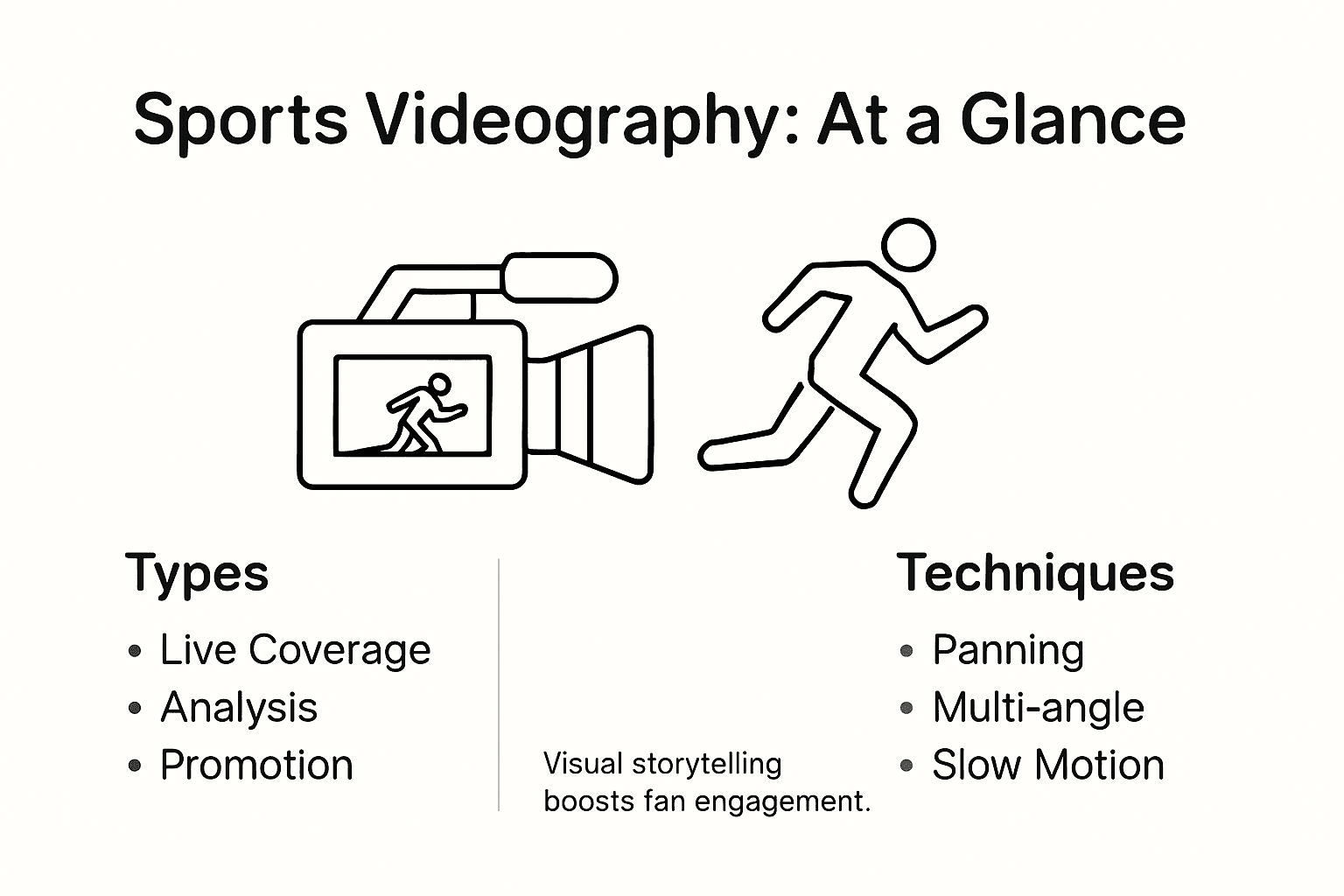
Below is a summary of advanced technologies shaping audience engagement in sports videography:
Technology | Main Benefit | Typical Use Case |
Multi-angle Viewing | Enhanced immersion | User-selected camera angles |
Instant Replay | Deeper performance insight | Key plays, controversial calls |
Interactive Statistics Overlays | Real-time analytics | In-game stats, player tracking |
Virtual/Augmented Reality | Immersive fan experiences | Simulated on-field perspectives |
Pro tip: Develop a comprehensive audience persona strategy that maps different fan segments and creates targeted video content addressing their unique interests and emotional connections to the sport.
Legal Rights and Usage in Switzerland
Swiss copyright regulations for sports videography represent a sophisticated framework designed to protect creators while balancing public interests. The legal landscape surrounding sports video content involves complex considerations of intellectual property, personal rights, and commercial usage. Understanding these nuanced regulations is critical for sports videographers operating within the Swiss jurisdiction.
Copyright Protection in Switzerland extends comprehensive legal safeguards for original sports video works. The Federal Act on Copyright and Related Rights establishes clear guidelines defining ownership and permissible usage. Sports videographers automatically receive protection for their creative works, with rights typically lasting 50 years after the creator’s death. Commercial usage requires explicit permissions, and licensing agreements become essential for organizations seeking to reproduce or distribute sports video content. Key legal considerations include distinguishing between documentary-style recordings and commercial promotional materials, each carrying different usage implications.
Specific legal nuances impact sports videography practices in Switzerland. Athletes and sports organizations possess certain image rights, requiring videographers to obtain consent for commercial exploitation of personal performances. Public events have different legal frameworks compared to private sporting competitions, with varying requirements for recording and distribution. Professional sports videographers must navigate complex intersections between copyright law, personal privacy regulations, and commercial broadcasting standards. Careful documentation, written permissions, and transparent licensing agreements become crucial risk management strategies in this sophisticated legal environment.
Pro tip: Always secure written agreements specifying exact usage rights and obtain comprehensive model releases from athletes and organizations before creating or distributing sports video content in Switzerland.
Elevate Your Sports Storytelling With Expert Videography
Capturing the fast-paced action and emotional depth of sports requires more than basic filming techniques. As the article highlights, mastering sports videography demands specialized skills like multi-angle coverage, slow-motion capture, and meaningful narrative construction. If your goal is to showcase athletic excellence with precision and flair while ensuring legal rights and audience engagement are managed effectively, professional support is essential.
Tulip Films understands these challenges and transforms your athletic moments into dynamic, high-quality videos tailored for Swiss businesses and sports organizations. With our personalized approach, advanced equipment, and creative expertise, we provide solutions that address technical demands, embrace storytelling, and maximize fan connection through impactful visuals.
Discover how our team handles everything from live event coverage to promotional sports footage by visiting Tulip Films.

Ready to turn your sports footage into inspiring visual stories that captivate and engage? Contact us today for a free consultation and experience the difference of bespoke sports videography crafted for your unique needs. Learn more about our video production services and start your journey toward unforgettable sports storytelling now.
Frequently Asked Questions
What is sports videography?
Sports videography is a specialized field focused on capturing athletic performances through strategic video documentation, which transforms physical actions into compelling visual narratives.
Why is sports videography important?
Sports videography is crucial for analyzing player techniques, promoting teams and athletes, and enhancing audience engagement through immersive storytelling and advanced visual technologies.
What are the different types of sports videography?
The main types include live event coverage, training and performance analysis, promotional and marketing videos, scientific research documentation, and documentary filmmaking, each serving unique purposes and audiences.
What equipment is essential for sports videography?
Key equipment includes professional-grade cameras, telephoto and wide-angle lenses, stabilization gear like gimbals and tripods, and sound recording devices to enhance the quality of videos captured during sporting events.
Recommended
