Complete Guide to the Pre-Production Process

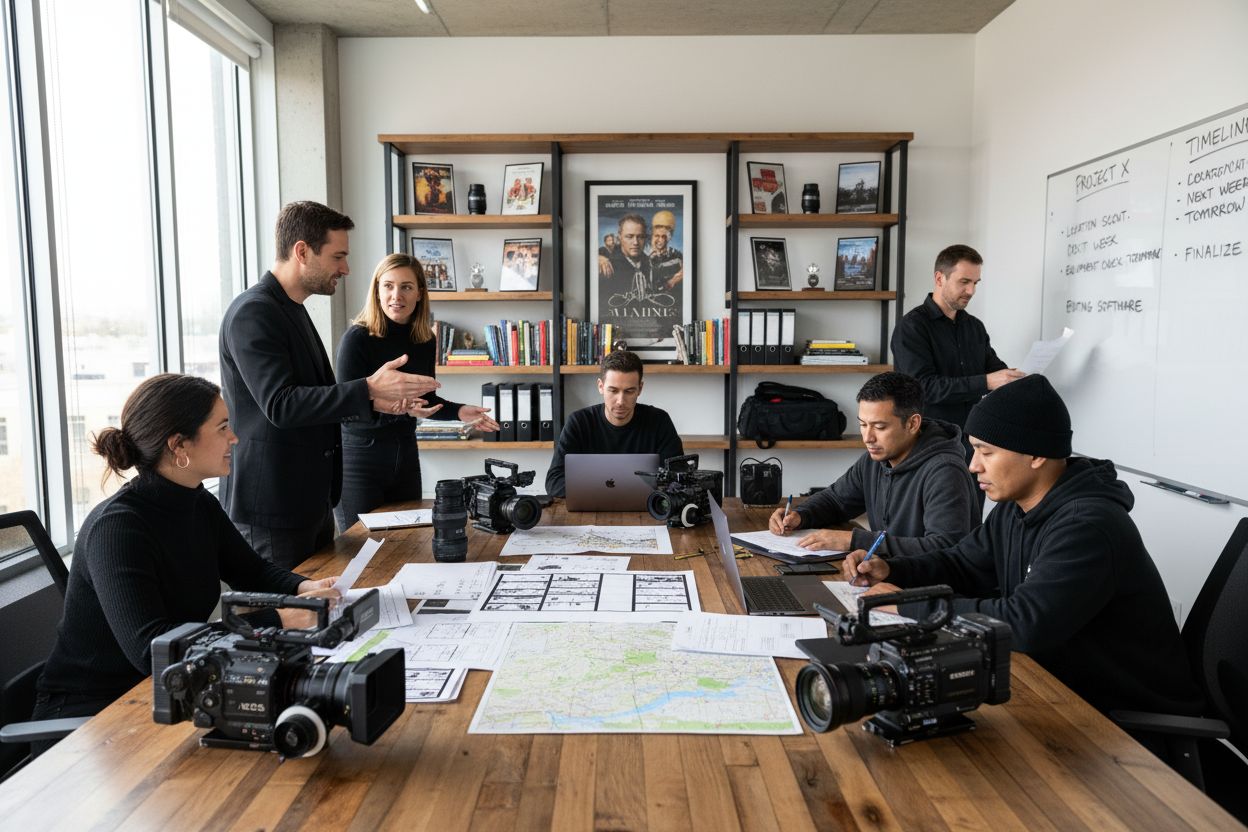
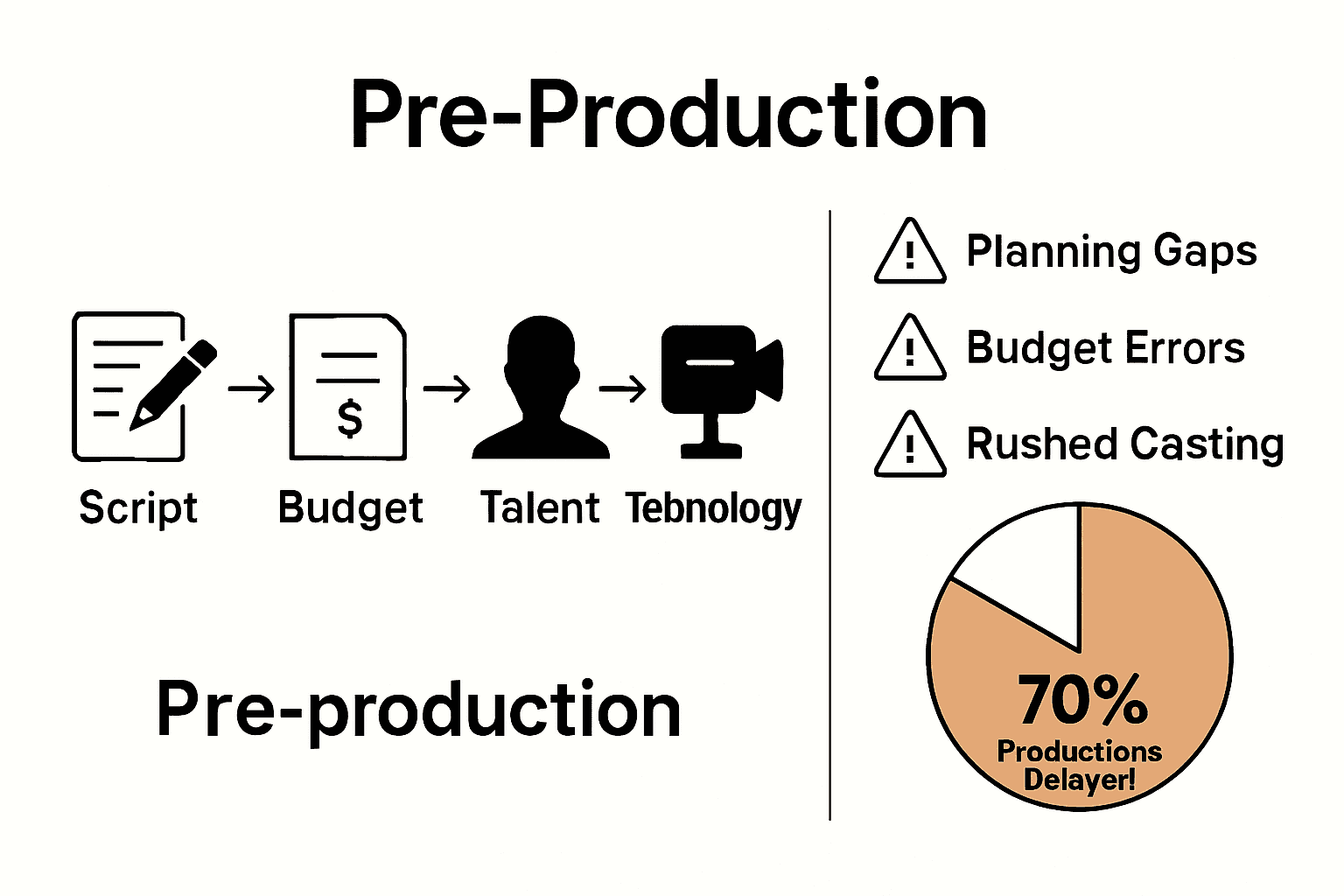
Did you know that over 70 percent of video projects run into costly delays due to inadequate planning? The pre-production phase is where ideas become reality, laying the groundwork for a successful shoot and smooth editing. Proper preparation not only makes complex productions manageable, it also protects budgets and timelines from unexpected setbacks. Understanding this process saves time, reduces stress, and helps ensure every creative vision translates into an impressive finished product.
Table of Contents
Key Takeaways
Point | Details |
Pre-Production Importance | It is a vital phase that turns creative concepts into actionable plans, ensuring clear vision and logistics alignment. |
Essential Components | Key steps include script finalization, budget planning, location scouting, talent recruitment, and technical preparation. |
Roles and Responsibilities | Successful pre-production relies on collaboration among key roles, including the director, producer, and casting director, each with specific duties. |
Common Pitfalls | Avoid issues like insufficient planning, budget miscalculations, and rushed talent recruitment to streamline the production process. |
Defining the Pre-Production Process
Pre-production represents the critical planning phase that transforms a creative concept into an actionable project blueprint. According to research from film production guidelines, this stage bridges the gap between initial development and actual production by systematically confirming key creative and logistical elements. At its core, pre-production is where storytellers, producers, and creative teams collaborate to establish a clear vision and strategic roadmap for their video project.
The pre-production process encompasses several crucial components that set the foundation for successful video creation. These typically include:
Script Finalization: Refining narrative structure and dialogue
Budget Planning: Determining financial resources and allocations
Location Scouting: Identifying and securing appropriate filming environments
Talent Recruitment: Selecting cast and crew members
Technical Preparation: Creating storyboards, shot lists, and production schedules
Learn more about our comprehensive approach in our video storytelling workflow guide, which provides deeper insights into crafting compelling visual narratives. By meticulously addressing each pre-production element, video creators can minimize potential challenges, optimize resource utilization, and increase the likelihood of producing high-quality, impactful content that resonates with their intended audience.
Essential Steps in Pre-Production Planning
Pre-production planning transforms abstract creative concepts into structured, actionable strategies. According to research from video production experts, this critical phase involves comprehensive preparation that sets the foundation for successful video creation. Strategic planning ensures that every aspect of the project is meticulously considered and aligned with the overall creative vision.
The essential steps in pre-production planning typically include:
Goal Definition: Clarifying project objectives and target audience
Script Development: Crafting a detailed narrative blueprint
Budget Management: Establishing financial parameters and resource allocation
Crew Recruitment: Selecting and assembling the right team of professionals
Location Scouting: Identifying and securing appropriate filming environments
Logistics Coordination: Creating detailed production schedules and permits
For insights into executing a seamless video production workflow, check out our corporate video production tips, which provide additional guidance on navigating the complexities of video creation. By systematically addressing each pre-production element, creative teams can minimize potential challenges, optimize resource utilization, and increase the likelihood of producing high-quality, impactful visual content that resonates with the intended audience.
Key Roles and Responsibilities Involved
Pre-production success hinges on the collaborative efforts of key creative professionals who bring specialized expertise to the project. According to research from film production sources, this phase involves strategic appointment and alignment of critical roles that will shape the entire production process. Collaborative planning becomes the cornerstone of transforming creative vision into executable strategy.
The primary roles and their core responsibilities typically include:
Here’s a summary of the key roles and their main responsibilities in pre-production:
Role | Core Responsibility |
Director | Define creative vision Guide artistic direction |
Producer | Manage budget Oversee logistics |
Production Manager | Coordinate departments Implement plans |
Director of Photography | Design visual style Plan technical approach |
Production Designer | Create set design Ensure visual coherence |
Casting Director | Select talent Conduct auditions |
Director: Establishes overall creative vision and guides artistic direction
Producer: Manages budget, logistics, and ensures project feasibility
Production Manager: Coordinates departmental needs and handles practical implementation
Director of Photography (DoP): Designs visual aesthetics and technical filming approach
Production Designer: Creates visual style, manages set design and aesthetic coherence
Casting Director: Identifies and selects appropriate talent for the project
Post-production workflow insights can further illuminate how these pre-production decisions impact the entire creative process. Each team member brings unique skills that interconnect to transform initial concepts into compelling visual narratives, ensuring every aspect of the production is thoughtfully planned and strategically executed.
Budgeting, Scheduling, and Legal Requirements
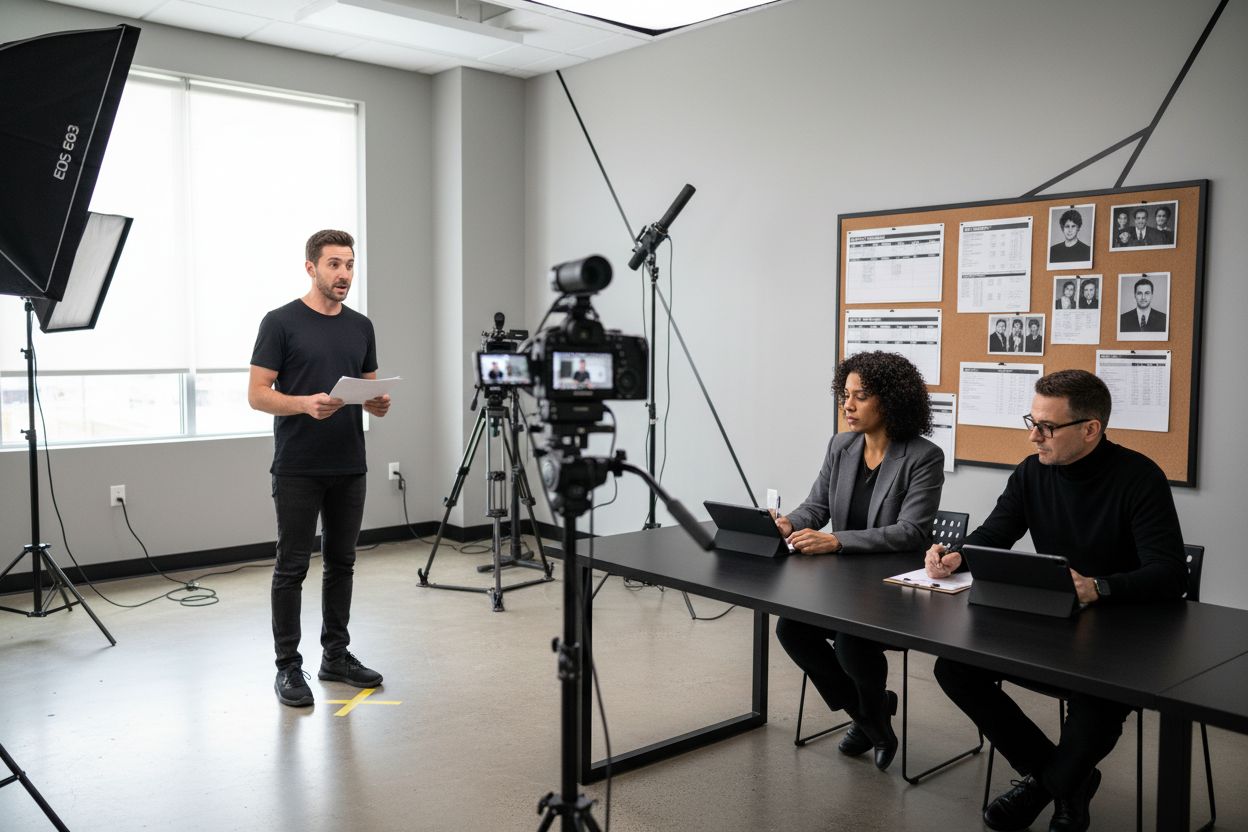
Navigating the complex landscape of financial planning and legal compliance is crucial during pre-production. According to research from production management sources, this phase requires meticulous attention to financial parameters, logistical coordination, and regulatory requirements that form the operational backbone of any successful video project.
Key considerations in this critical planning stage include:
Financial Structuring: Creating comprehensive budget scenarios
Funding Acquisition: Securing necessary financial resources
Legal Entity Formation: Establishing appropriate business structures
Permit Management: Obtaining required location and production permissions
Insurance Coverage: Protecting the project against potential risks
Timeline Development: Creating detailed production schedules
When addressing these multifaceted requirements, video creators must balance creative aspirations with practical constraints. Corporate video production tips can provide additional insights into managing these complex preparations. By developing robust financial plans, understanding legal frameworks, and creating flexible yet precise schedules, production teams can mitigate potential challenges and create a solid foundation for successful project execution.
Common Pre-Production Pitfalls to Avoid
Successful video production requires anticipating and mitigating potential challenges before they escalate. According to research from production management experts, strategic foresight is critical in preventing common pre-production mistakes that can derail an entire project. Understanding these potential pitfalls helps creative teams develop more robust and resilient production strategies.
The most frequent pre-production challenges include:
Insufficient Planning: Inadequate concept alignment and unclear project objectives
Budget Miscalculation: Underestimating costs or failing to create contingency reserves
Incomplete Script Development: Vague narratives or poorly defined storylines
Rushed Talent Recruitment: Hiring without proper skill or chemistry assessments
Technical Oversight: Skipping critical equipment testing and technical rehearsals
Logistical Gaps: Incomplete scheduling or overlooked permit requirements
For deeper insights into navigating production challenges, our corporate video production tips offer valuable guidance. By proactively identifying and addressing these potential issues during pre-production, teams can create a more streamlined, efficient workflow that minimizes risks and maximizes creative potential.
Master Your Pre-Production Challenges with Tulip Films
Planning every detail during pre-production is vital to avoid costly mistakes and bring your creative vision to life. If you are struggling with budget planning, script finalization, or coordinating your team’s roles, you are not alone. This guide highlights the need for a strategic approach that balances creative goals with practical steps, addressing common pitfalls like rushed talent recruitment or overlooked logistics.
Tulip Films understands that each project presents unique demands. That is why our Swiss-based team offers personalized solutions designed to streamline your entire pre-production process. Experience expert guidance in script development, precise budgeting, and scheduling that keeps your project on track without surprises. Let us help you transform your ideas into impactful videos that truly connect with your audience.

Ready to make your pre-production phase seamless and effective? Explore how our professional method and rapid delivery can support your vision by visiting Tulip Films. Learn more about our approach to corporate videos and the complete video storytelling workflow. Start planning your project today with a free consultation to avoid common setbacks and ensure your video’s success.
Frequently Asked Questions
What is the purpose of the pre-production process?
The pre-production process is critical in transforming a creative concept into a structured project blueprint by ensuring that all key creative and logistical elements are confirmed before filming begins.
What are the essential steps in pre-production planning?
Essential steps include goal definition, script development, budget management, crew recruitment, location scouting, and logistics coordination.
Who are the key roles involved in pre-production, and what do they do?
Key roles in pre-production include the director, who defines the creative vision; the producer, who manages logistics and budget; and the casting director, who selects the talent for the project, among others.
What common pitfalls should be avoided during pre-production?
Common pitfalls include insufficient planning, budget miscalculations, incomplete script development, rushing talent recruitment, technical oversights, and logistical gaps. Avoiding these issues helps create a smoother production process.
Recommended
